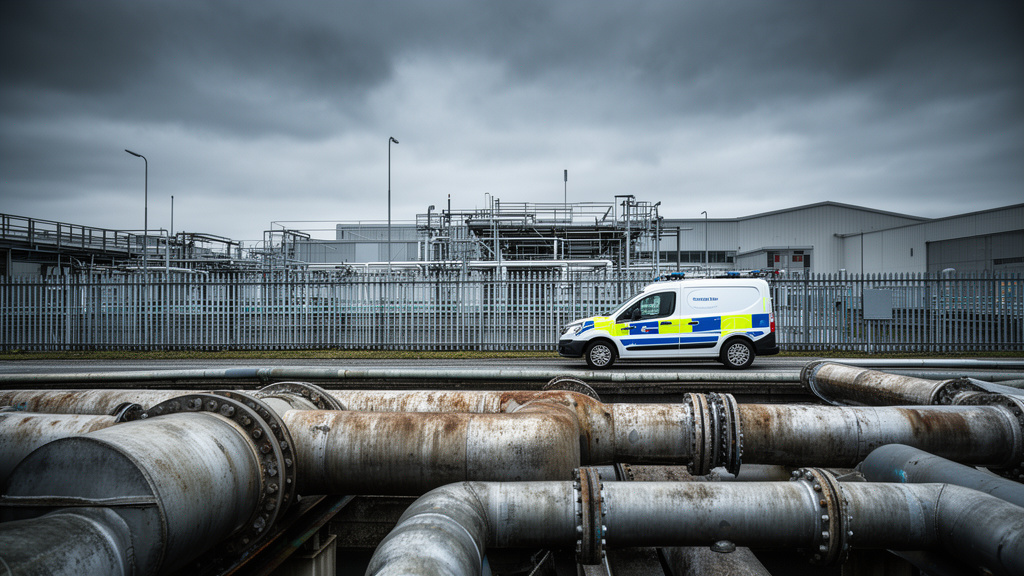
TFG London, the parent company managing iconic British retail brands Hobbs, Whistles, and Phase Eight, has confirmed it is currently managing a significant cyberattack. The incident, which has forced the company to initiate an urgent forensic investigation, is currently being scrutinized to determine the potential exposure of customer and internal corporate data. As the investigation progresses, the group is working alongside external cybersecurity experts to contain the threat and secure its digital infrastructure.
Key Highlights
- Breach Confirmed: TFG London (The Foschini Group UK) has officially acknowledged a cyberattack affecting its retail operations.
- Brands Impacted: The incident spans the group’s core portfolio, specifically Hobbs, Whistles, and Phase Eight.
- Data Investigation: The company is currently engaged in a comprehensive audit to ascertain whether sensitive customer information or employee data was accessed during the breach.
- Operational Response: External cybersecurity specialists and forensic investigators have been retained to analyze the breach vectors and reinforce the group’s digital perimeter.
The Digital Siege on British Retail
The confirmation of a cyberattack at TFG London underscores a disturbing trend within the UK retail sector, where high-profile fashion houses are increasingly becoming targets for sophisticated threat actors. In the modern retail environment, a brand’s digital presence—ranging from e-commerce platforms to backend supply chain logistics—is a critical piece of infrastructure. When that infrastructure is compromised, the impact is immediate, affecting everything from inventory management to the delicate trust between a brand and its customer base.
The Anatomy of the Breach
While the specific technical methodology of this attack remains under investigation, incidents of this nature in the retail sector typically involve ransomware deployment or data exfiltration. Threat actors often target the central servers that connect various subsidiaries—in this case, Hobbs, Whistles, and Phase Eight—to maximize leverage. By targeting a group-level entity like TFG London, attackers gain access to a consolidated network that houses vast amounts of personal identifiable information (PII), payment processing data, and operational proprietary information.
Cybersecurity analysts emphasize that the first 48 to 72 hours of such an event are critical. TFG London’s decision to move quickly into an investigative phase suggests they have detected unauthorized lateral movement within their network. The challenge for a retail conglomerate is the complexity of its digital ecosystem; maintaining consistent security protocols across distinct brands with different legacy systems creates a significant “attack surface” that, if not patched or monitored correctly, becomes an open door for intruders.
Protecting the Digital Customer
For customers of Hobbs, Whistles, and Phase Eight, the primary concern is the potential compromise of personal data. Retail databases contain high-value information: names, email addresses, order histories, and, in some cases, encrypted payment tokens. While the company has not yet confirmed the extent of any data loss, the standard operating procedure involves a forensic deep-dive into database logs to identify exactly what, if anything, was accessed.
From a regulatory standpoint, the UK’s Information Commissioner’s Office (ICO) requires organizations to report significant personal data breaches within 72 hours of awareness. Failure to secure customer data can result in severe financial penalties under the UK GDPR. TFG London is currently navigating this narrow path, balancing the need for transparency with the operational necessity of containing the ongoing threat.
The Broader Vulnerability of Modern Retail
Beyond the immediate operational disruption, this incident highlights the fragility of retail supply chains and digital customer interfaces. In the last three years, we have seen a pivot in cyber-criminal activity toward the retail and luxury goods sectors. Unlike financial institutions, which have long-standing, fortress-like cybersecurity budgets, retail groups often struggle to modernize legacy digital infrastructure while simultaneously managing rapid e-commerce expansion.
Secondary Angle: Supply Chain Dependency
Retailers are no longer just selling clothes; they are technology companies managing logistics. The TFG London incident serves as a stark reminder that if one segment of the supply chain is compromised, the disruption ripples outward. For Hobbs and its sister brands, this means potential delays in logistics, omnichannel failures, and a temporary halt to digital efficiency that can result in multi-million pound revenue impacts.
Secondary Angle: The Cost of Consumer Trust
Reputation is the hidden casualty of every major cyber-event. In the luxury and high-street fashion segment, brand equity is built on the customer experience. If a customer feels their data is unsafe when shopping online, they will abandon the brand. The long-term economic impact of this incident may not be the cost of the ransom or the forensic investigation, but the potential churn of the loyal customer base that forms the backbone of these brands.
Secondary Angle: Future Predictions and Security Hardening
Looking forward, we anticipate that the TFG London incident will trigger a wave of mandatory security audits across mid-to-large-sized retail conglomerates. The trend toward ‘Zero Trust’ architectures—where no user or device is trusted by default, regardless of their position within the network—is likely to become the new industry standard. We also expect a tightening of third-party vendor assessments, as many retail breaches originate not from the primary company, but from compromised software providers or marketing agencies connected to the central network.
FAQ: People Also Ask
Q: Should I change my password if I shop at Hobbs, Whistles, or Phase Eight?
A: While TFG London has not yet issued a specific directive to change passwords, it is a prudent “best practice” to update your login credentials for these accounts. Use a unique, complex password or a password manager to ensure your account security, especially if you have reused that password on other sites.
Q: Has my credit card information been stolen?
A: The company is currently investigating the scope of the incident. In most modern e-commerce architectures, payment data is processed by third-party payment gateways and is not stored directly on the retailer’s servers. However, until the official forensic report is released, remain vigilant and monitor your bank statements for unauthorized transactions.
Q: What should I look out for regarding phishing?
A: Be hyper-vigilant regarding any emails or messages claiming to be from Hobbs, Whistles, or Phase Eight asking for personal verification, passwords, or payment details. Cybercriminals often use the news of a breach to launch ‘impersonation’ phishing campaigns. If you receive an unexpected email, go directly to the official website via your browser rather than clicking links.
Q: When will we know more about the breach?
A: TFG London is expected to release further updates as their investigation concludes or reaches significant milestones. Keep an eye on their official customer service channels and press releases for the most accurate, verified information.