Today, July 31, 2026, marks a significant cultural milestone in the heart of London, as Lambeth Palace—the historic residence of the Archbishop of Canterbury—opens its doors to the public for the highly anticipated HOPE Open Day. This rare event offers residents and visitors alike an unprecedented opportunity to explore one of the United Kingdom’s most storied ecclesiastical sites, providing an intimate window into centuries of religious, political, and social history that has shaped not just the Church of England, but the trajectory of the nation itself.
Key Highlights
- Exclusive Public Access: A rare opportunity to step inside the historic grounds of Lambeth Palace, which is rarely accessible to the general public.
- Architectural Heritage: Visitors can explore the Grade I listed site, including the iconic Lollards Tower and the historic Chapel.
- Cultural Significance: An opportunity to learn about the role of the Archbishop of Canterbury and the enduring influence of the Church of England in modern society.
- HOPE Initiative: The event highlights the HOPE program’s commitment to community engagement and historic preservation.
Unlocking the Gates: The Lambeth Palace Experience
The gates of Lambeth Palace, situated on the south bank of the River Thames, are a silent witness to over 800 years of British history. For those fortunate enough to attend the HOPE Open Day on July 31, 2026, the experience transcends a simple tour; it is a immersion into a living, breathing monument. The Palace has served as the official London residence of the Archbishop of Canterbury since the 13th century, effectively anchoring the site as a cornerstone of ecclesiastical power.
A Legacy of Faith and Governance
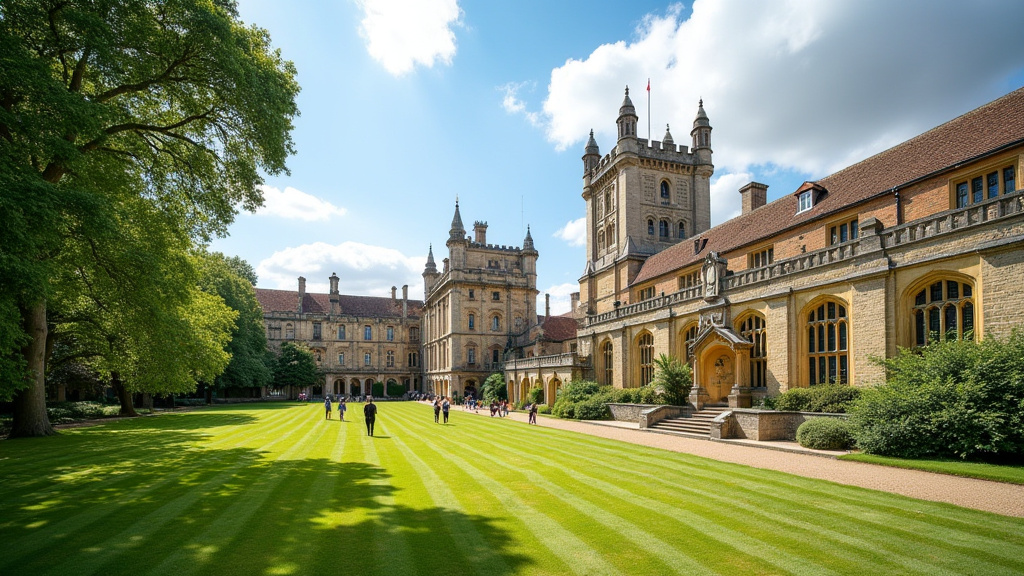
Lambeth Palace is more than a residence; it is a repository of history. The site’s development began in the 12th century, with the earliest surviving structure, the Lollards Tower, dating back to the early 15th century. This tower, named for the Lollards—a pre-Reformation religious group who were imprisoned there—serves as a stark reminder of the tumultuous historical periods the site has endured. During the HOPE Open Day, attendees are provided with context regarding the architectural evolution of the Palace, from its medieval origins through the various expansions commissioned by successive Archbishops. The juxtaposition of ancient masonry with the active, modern administrative functions of the Church creates a unique atmosphere that is both solemn and vibrant.
Architectural Marvels of the Thames
The architectural narrative of Lambeth Palace is defined by its resilience. The Chapel, often considered the heart of the Palace, stands as a testament to medieval craftsmanship, featuring vaulted ceilings and stained glass that have survived the disruptions of the English Civil War and the devastation of the Blitz. During the HOPE Open Day, guests are encouraged to observe the fine details of the stonework and the preserved interior spaces, which serve as a masterclass in gothic and tudor-era design. The curation of the event focuses on the preservation efforts, highlighting the technical challenges of maintaining a Grade I listed building in the middle of a bustling, modern metropolis like London.
The HOPE Initiative: Bridging the Past and Present
The ‘HOPE’ designation for this open day is not merely a label; it represents an intentional effort to connect the public with the Church’s legacy in a way that is relevant to modern concerns. The HOPE initiative focuses on opening dialogue, fostering a sense of community, and demystifying the institution of the Archbishopric. By inviting the public to walk the halls where historic decisions were debated and finalized, the event bridges the gap between historical authority and public access, fostering a sense of shared stewardship over the nation’s heritage assets.
Horticultural Heritage: The Palace Gardens
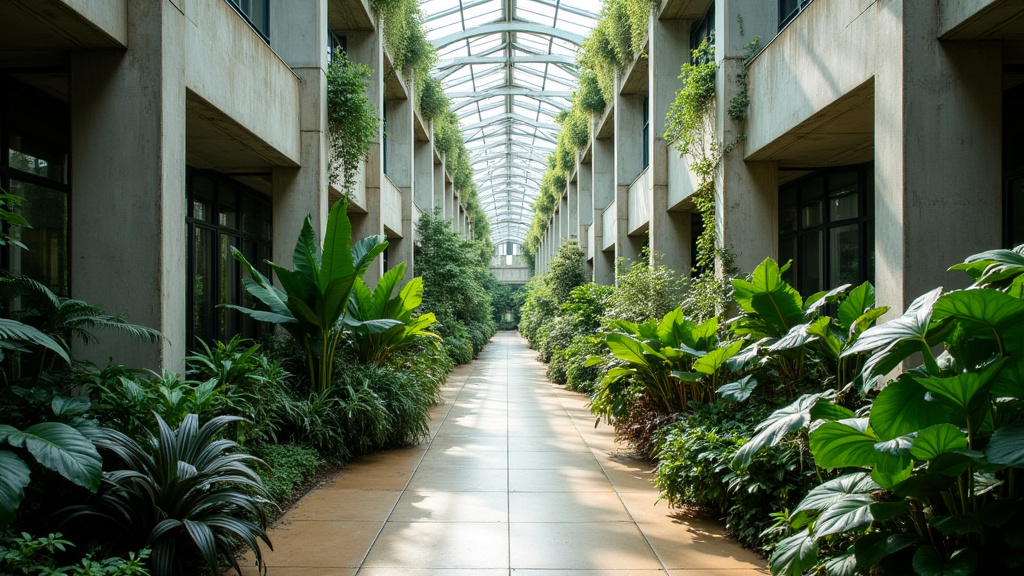
Beyond the stone walls, the gardens of Lambeth Palace are a hidden gem of London. As the oldest continuously cultivated garden in the city, they offer a serene contrast to the concrete density of the South Bank. The HOPE Open Day provides visitors with the chance to walk paths that have been trodden by centuries of clergy and historic figures. The botanical significance of the site, which maintains rare species and historic landscaping styles, adds an additional layer to the experience, highlighting the importance of green spaces in urban heritage preservation.
The Role of Heritage in Urban Identity (Secondary Angle 1)
The significance of allowing public access to such a site cannot be overstated in the context of urban identity. As London continues to evolve and modernize, the preservation of institutions like Lambeth Palace serves as a cultural anchor. Such events help to maintain the continuity of the city’s identity, reminding residents and tourists alike that the history of London is not just in books, but in the bricks and mortar of its preserved sites. This secondary angle focuses on how historic access prevents the ‘sanitization’ of history, keeping the past accessible and tangible.
Stewardship in the 21st Century (Secondary Angle 2)
The management of Lambeth Palace presents a complex challenge: how to balance security, private residence, and historical preservation with the public’s right to engage with their heritage. The HOPE Open Day represents a deliberate strategy of ‘Open Stewardship,’ where the Church of England acknowledges its role not just as an institution, but as a public asset manager. This approach is increasingly common among major heritage sites but remains particularly impactful given the sensitive nature of the Palace’s day-to-day administrative role.
Tourism and the Economic Footprint (Secondary Angle 3)
While Lambeth Palace is not a commercial tourist attraction, the events surrounding the HOPE Open Day contribute to the broader ecosystem of heritage tourism. The event drives engagement, local foot traffic, and increased interest in South Bank historical sites. By providing a high-quality, rare experience, the Palace encourages a more nuanced type of tourism—one that values depth of knowledge and cultural engagement over high-volume, superficial visits. This economic footprint, while subtle, is essential for the sustained funding and maintenance of London’s heritage sector.
FAQ: People Also Ask
Q: What is the significance of the HOPE Open Day date?
A: July 31, 2026, was specifically chosen to provide a unique cultural experience for the final day of the month, allowing visitors to access the site before the peak of the late-summer travel season shifts focus.
Q: Is Lambeth Palace normally open to the public?
A: No, Lambeth Palace is not typically open to the general public, as it is the private residence and office of the Archbishop of Canterbury. Special events like the HOPE Open Day are rare exceptions to this policy.
Q: What is the best way to document the visit?
A: Visitors are typically encouraged to take photos of the exterior architecture and designated accessible areas of the gardens, though strict policies usually apply to the interior of the Chapel and private offices.
Q: How does the HOPE initiative support the site?
A: The HOPE initiative is an outreach and educational program aimed at increasing public understanding of the Palace’s historical, religious, and social contributions to the UK, while promoting active engagement with the Church’s heritage assets.