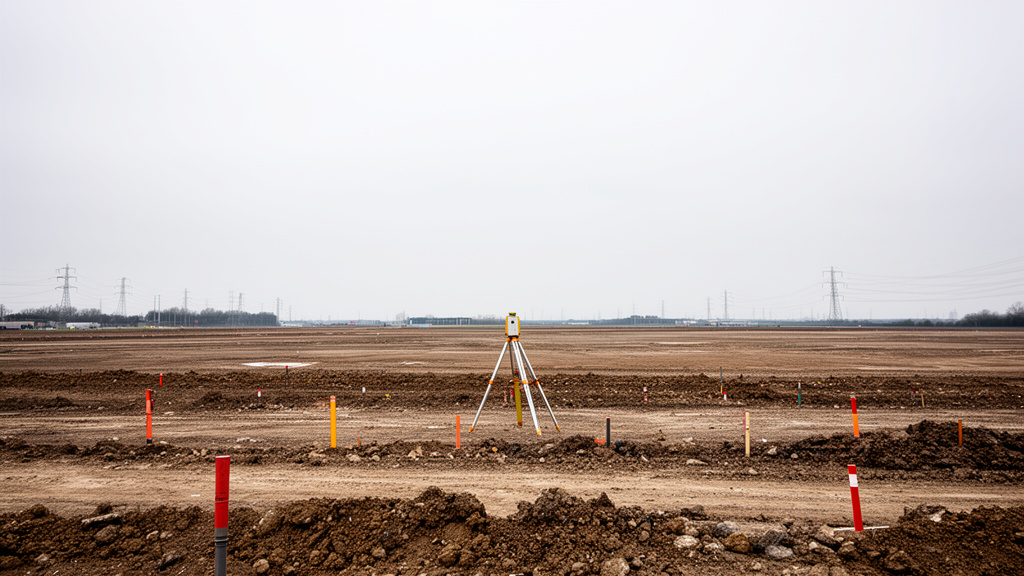
A proposed data centre in North Ockendon, London, is under fire after planning documents revealed that its projected annual carbon footprint would equal the emissions of 27,000 commercial flights to New York. This revelation has ignited a fierce debate over the digital infrastructure boom, raising critical questions about whether the UK’s aggressive net-zero targets are compatible with the energy-hungry requirements of modern cloud computing and artificial intelligence.
Key Highlights
- Massive Carbon Footprint: The North Ockendon facility is projected to output carbon emissions comparable to 27,000 transatlantic flights annually.
- Planning Contention: The proposal highlights a growing rift between the rapid expansion of digital infrastructure and local sustainability commitments.
- Net-Zero Compliance: Critics argue the facility violates the spirit of the UK’s legal mandate to achieve net-zero carbon emissions by 2050.
- Regulatory Oversight: The case has prompted calls for stricter environmental impact assessments (EIAs) for all future high-consumption data developments.
The Physical Cost of the Digital Cloud
While the public perceives the “cloud” as an ethereal, weightless network of data, the reality is grounded in colossal, power-intensive infrastructure. Data centres are the industrial engine rooms of the 21st century, facilitating everything from video streaming and high-frequency trading to the training of massive generative AI models. The proposed facility in North Ockendon represents the cutting edge of this expansion, but it also underscores the growing carbon liability that the technology sector must now confront.
The North Ockendon Proposal: Scope and Impact
Located on the periphery of London, the North Ockendon project was designed to address the increasing demand for server capacity driven by the surge in local tech adoption. However, the sheer scale of the facility—measured not just in square footage but in megawatts required for operation—has triggered alarm. The planning documentation indicates that the facility will rely heavily on the national grid, with cooling systems alone consuming enough electricity to potentially strain local infrastructure if not managed with sophisticated energy-efficient technology.
Quantifying the Carbon Cost: 27,000 Flights
The specific figure cited in planning reports—27,000 flights to New York—serves as a stark metric that bypasses technical jargon, making the environmental cost immediately tangible. To put this into perspective, a single transatlantic flight produces significant greenhouse gas emissions. Multiplying this by 27,000 highlights the staggering cumulative impact of a single server farm operating over a 12-month period. Environmentalists argue that this output essentially negates local carbon-saving initiatives, creating a net-positive scenario for emissions even if the facility attempts to purchase carbon offsets.
The Net-Zero Paradox in UK Planning
The UK government has positioned itself as a global leader in the fight against climate change, with the Net Zero Strategy aiming to decarbonize the electricity system by 2035 and achieve total net-zero emissions by 2050. The North Ockendon data centre proposal sits squarely in the middle of this policy tension. On one hand, the government encourages digital innovation and infrastructure investment to keep the UK competitive in the global tech race. On the other hand, planning laws and local council mandates are increasingly prioritizing environmental sustainability.
The Role of Thurrock and Local Oversight
The facility falls under the jurisdiction of local planning authorities, which are tasked with balancing economic growth with the immediate environmental and quality-of-life concerns of their constituents. The opposition to this data centre is not merely about aesthetic impact or noise; it is a structural objection based on carbon accounting. Critics are demanding that the planning committee treat energy consumption as a primary disqualifying factor if the developer cannot demonstrate a clear, credible path to carbon neutrality, such as on-site renewable generation or advanced liquid cooling systems that drastically reduce power use.
Future-Proofing Data Infrastructure
The debate in North Ockendon is symptomatic of a broader national conversation. As the UK looks to modernize its grid, data centres are being forced to evolve. The industry is seeing a shift toward:
- Liquid Cooling: Moving away from traditional air-cooling, which requires massive energy, toward more efficient liquid-based systems.
- Microgrids: Some developers are exploring on-site solar, wind, or hydrogen fuel cells to minimize reliance on the national grid.
- Waste Heat Recovery: Retrofitting data centres to pump excess heat into district heating networks, turning a carbon liability into a community asset.
However, these technologies add significant capital expenditure. The central question facing the North Ockendon project—and indeed the entire sector—is who bears the cost: the developer, the tech giant tenants, or the environment?
FAQ: People Also Ask
Why do data centres require so much energy?
Data centres require 24/7 power for two primary tasks: running the servers themselves and cooling them. As chips become more powerful, especially for AI, they generate intense heat, necessitating massive HVAC and cooling systems that often consume as much electricity as the servers they protect.
Has the North Ockendon data centre been approved?
The project remains a subject of intense planning review. The disclosure of the carbon footprint has significantly stalled the process, with local councils demanding further, more rigorous environmental impact reports before a final decision is made.
What are the UK’s ‘Net Zero’ targets?
The UK is legally committed to reaching net-zero greenhouse gas emissions by 2050. This requires all new infrastructure projects to either be carbon-neutral from the start or to be offset by significant emission reductions elsewhere, creating a massive hurdle for high-consumption industries like data storage and processing.