As the summer heat begins to mellow into the crisp clarity of an early London autumn, the weekend of September 11–13, 2026, presents a unique opportunity for residents and visitors alike. This specific window coincides with one of the capital’s most significant cultural milestones: the Heritage Open Days festival. For three days, London transforms into a vast, accessible museum, offering free entry to spaces that are often locked behind closed doors or private gates for the remainder of the year.
Navigating the capital on a budget requires both strategy and insight. Whether you are a history enthusiast, an architecture buff, or simply looking to traverse the city’s iconic Thames-side pathways without an entry fee, this guide provides the optimal route to maximize your weekend.
Key Highlights
- Heritage Open Days Access: Gain complimentary entry to historic guildhalls, hidden archives, and municipal buildings typically closed to the public.
- Thames Path Promenade: A curated 5-mile walking route from Greenwich to Tower Bridge, focusing on river-side architectural history.
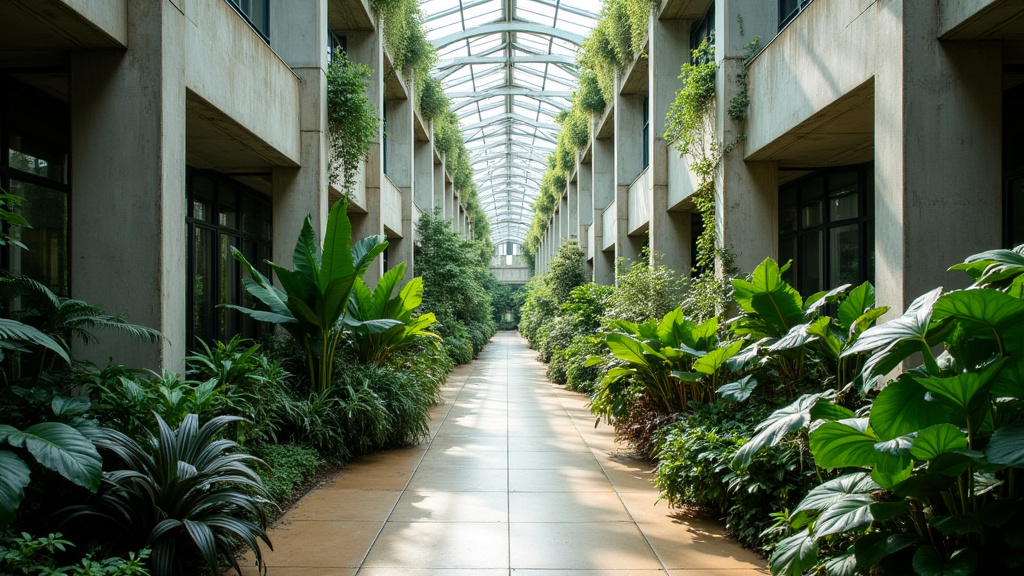
- The Barbican Conservatory: Experience unique botanical architecture in the heart of the Brutalist complex with pre-booked, zero-cost entry slots.
- Economic & Social Value: Leverage these free events as a primary lens for understanding London’s commitment to public culture and urban heritage preservation.
The Architecture and Culture of Access: A Weekend Strategy
The central theme for the weekend of September 11–13, 2026, is ‘Access.’ The Heritage Open Days (HODs) initiative serves as the anchor for this weekend’s events. Launched as an annual festival, HODs allows the public to explore significant sites of cultural, historical, and architectural importance without the cost of admission. For 2026, the local London organizers have prioritized sites that narrate the city’s complex evolution from a medieval trading hub to a modern financial center.
1. The Heritage Open Days: Unlocking the Guildhalls
For the weekend of September 11-13, several of the City of London’s Livery Halls—the historic homes of the city’s ancient trade guilds—have opened their doors. These structures are architectural marvels, featuring 17th-century wood carvings, stained glass, and vaults that have survived centuries of urban upheaval. Visitors should prioritize the Mercers’ Hall and the Drapers’ Hall. Both venues are offering guided tours led by archivists, providing rare insight into the history of London’s trade monopolies.
Logistical Note: While these entries are free, capacity is strictly limited. It is advised to arrive at the site entry points by 10:00 AM on Saturday, September 12, to secure a walk-in slot, as the digital pre-booking systems for these specific venues have reached full capacity as of September 1.
2. The Thames Path Promenade: Greenwich to Tower Bridge
The Thames Path is a 184-mile National Trail, but for this weekend, we suggest focusing on the segment between Greenwich and Tower Bridge. This route offers a comprehensive history of London’s maritime and industrial expansion.
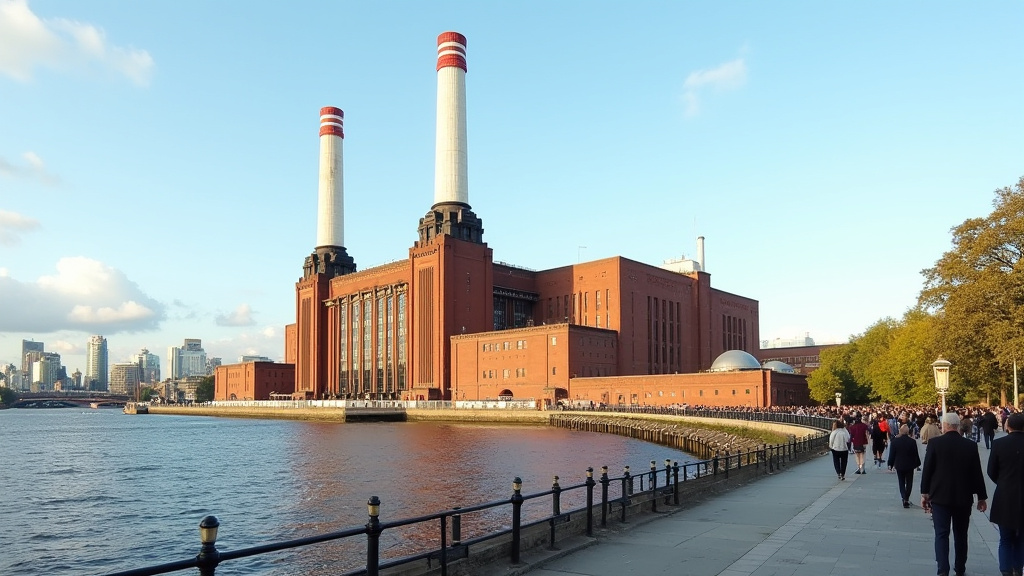
Starting at the Old Royal Naval College, visitors can walk the riverbank toward the historic Wapping area. This walk is entirely free and offers vantage points for the capital’s most significant bridges, including the Tower Bridge and the Millennium Bridge. On the evening of September 11, the ebb tide will expose the foreshore, providing a unique look at the remnants of Victorian-era piers and shipwrecks, a visual representation of London’s industrial past.
3. The Barbican Conservatory: A Brutalist Oasis
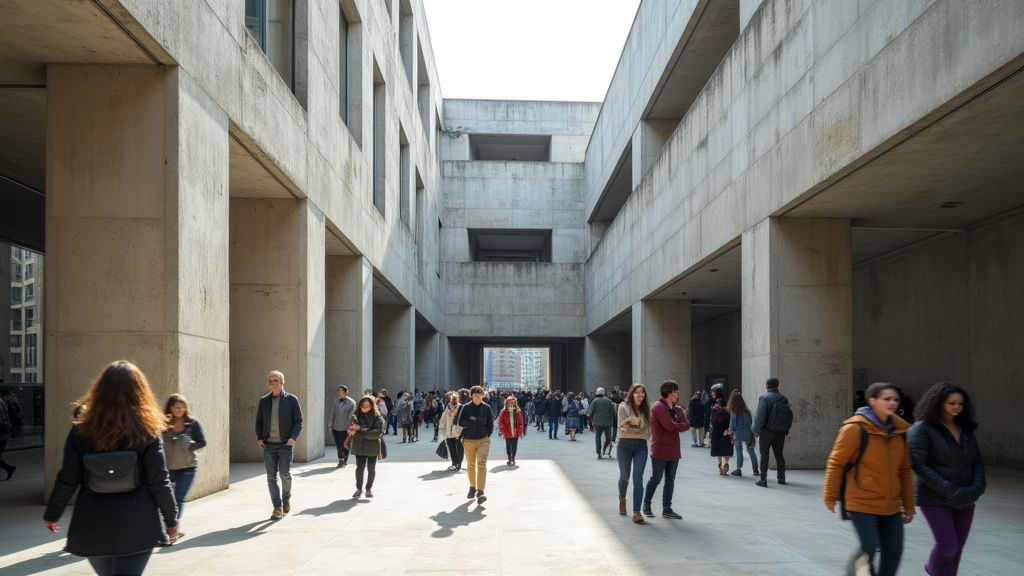
The Barbican Centre is arguably the most recognizable example of Brutalist architecture in the UK. On September 13, the conservatory—which houses over 2,000 species of tropical plants and trees—opens to the public for free viewing. This juxtaposition of harsh, exposed concrete and vibrant, lush greenery offers a perfect photographic opportunity. It is an exploration of urban sustainability and the deliberate integration of nature into modern city planning.
4. Postman’s Park: A Quiet History
Located near St. Paul’s Cathedral, Postman’s Park is a hidden gem that often goes overlooked by tourists. The site is home to the ‘Watts’s Memorial to Heroic Self-Sacrifice,’ a wall of ceramic tablets commemorating ordinary people who died saving others. It is a somber, beautiful, and entirely free space that serves as a necessary counterpoint to the bustling crowds of the nearby financial district.
5. The Mayor’s ‘London in Bloom’ Park Tours
Aligned with the September 11–13 window, the Greater London Authority has curated a series of self-guided botanical tours across the city’s Royal Parks. Hyde Park and St. James’s Park are the highlights for this weekend, featuring late-blooming summer flora and early autumnal foliage. These tours are supported by digital maps accessible via QR codes located at the main park entrances.
6. The Crystal Palace Dinosaur Trail
For a touch of historical curiosity, the Crystal Palace Park remains a premier free outdoor site. Commissioned in 1852, the dinosaur models were the world’s first attempts at life-sized reconstructions of extinct reptiles. This site is currently undergoing preservation work, but the trail is open for public viewing this weekend. It serves as a fascinating look at the mid-19th-century scientific understanding of prehistoric life, effectively documenting the history of Victorian paleontology.
Secondary Analysis: The Broader Context
To fully appreciate these experiences, consider three secondary angles regarding London’s urban environment:
1. The Economic Impact of Free Culture: The success of events like Heritage Open Days proves that free, accessible cultural events significantly boost local foot traffic, benefiting small businesses and cafes in the immediate vicinity of these sites. The economic multiplier effect of such festivals is a cornerstone of the Mayor of London’s cultural strategy.
2. Sustainability in Heritage Architecture: There is a growing tension between preserving archaic, energy-inefficient buildings and the mandate for green, modern infrastructure. By opening these buildings to the public, organizations can build the civic support needed to fund long-term restoration projects.
3. The Future of Urban Navigation: As the city grows more crowded, digital integration is changing how we access public spaces. The reliance on QR codes and booking apps—even for free events—indicates a shift toward ‘managed public spaces’ where spontaneous exploration is slowly being replaced by scheduled, tracked movement.
FAQ: People Also Ask
Q: Are these free events accessible for people with mobility issues?
A: While many of the parks and Thames-side paths are fully accessible, the historic Guildhalls and older buildings involved in Heritage Open Days may have limited accessibility due to their protected, ancient architecture. It is recommended to check the specific HODs digital directory for each venue’s accessibility rating before visiting.
Q: Do I need to book in advance for Heritage Open Days?
A: Yes, for the most popular sites, booking is mandatory. However, ‘turn-up-on-the-day’ opportunities remain for several smaller, lesser-known locations within the Heritage Open Days program for this weekend.
Q: What happens if it rains in London during this weekend?
A: London weather in September is notoriously fickle. The indoor locations, such as the Guildhalls and the Barbican, remain excellent options. The Thames Path walk is less recommended in heavy rain due to slippery surfaces near the foreshore.
Q: Are these sites within the Congestion Charge zone?
A: Most of the sites listed—particularly the City of London locations—are within or near the Congestion Charge zone. Using public transport (The Tube or Overground) is strongly advised, as parking is extremely limited and costly near these historical districts.