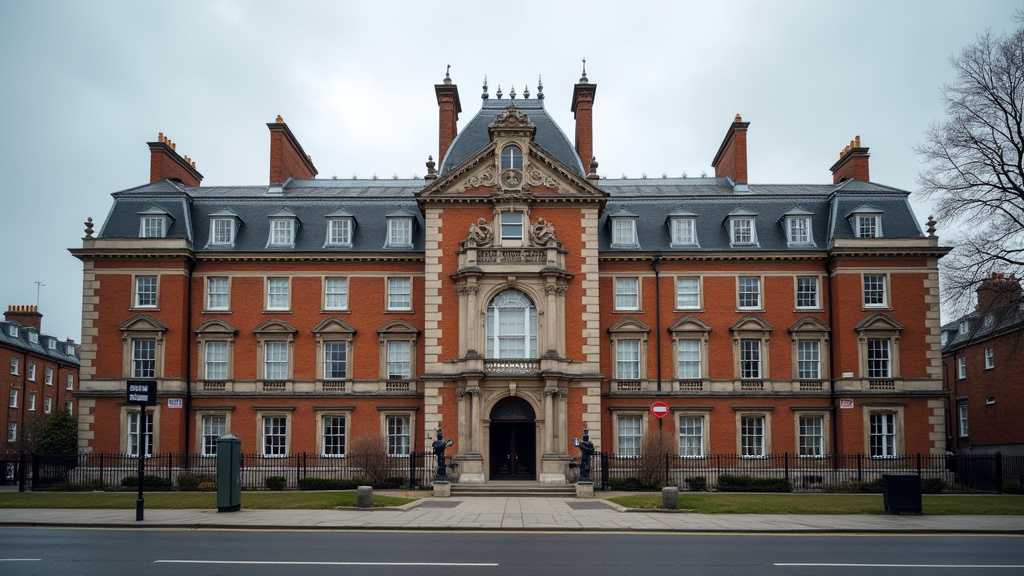
On September 27, 2026, the Museum of the Home in Hoxton opens its doors for a vibrant, community-focused Mid-Autumn Festival. This event, organized under the banner of the museum’s East and South-East Heritage Programme, serves as both a cultural celebration and a pivotal moment for community storytelling in East London. The festival, which is free to the public, is designed to engage visitors with traditional customs while fostering contemporary discussions on heritage and identity.
The Cultural Landscape of Hoxton
The Mid-Autumn Festival, or Moon Festival, is a centuries-old tradition celebrated by millions across East and South-East Asia. By bringing this celebration to the Museum of the Home—an institution that explores the meaning of home and domestic life—the organizers are effectively mapping the cultural geography of modern London. The Museum’s almshouse gardens, typically a place of quiet historical reflection, are today transformed into a space of active, living heritage. The integration of this festival into the East and South-East Heritage Programme highlights a deliberate shift by cultural institutions to move beyond static displays and engage directly with the lived experiences of the diaspora.
Interactive Heritage and Programming
The schedule for today is densely packed, moving away from passive observation toward active participation. A core component of the afternoon is the ‘tea circle with community journaling,’ a space designed for attendees to reflect on their own definitions of home—a theme that sits perfectly within the museum’s mandate. By combining the social ritual of tea drinking with the introspective act of journaling, the program creates a bridge between ancestral memory and the modern individual’s experience.
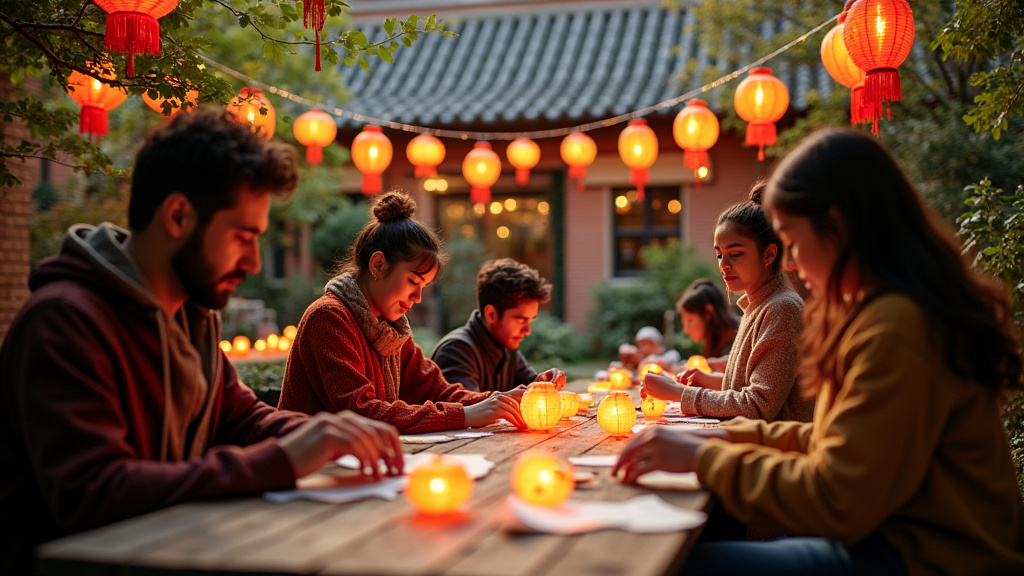
Complementing these reflective activities is a practical lantern-making course. The lantern, a symbol of enlightenment and guidance during the Mid-Autumn Festival, provides a tangible craft for participants, allowing them to engage with the aesthetic traditions of the holiday. Perhaps the most poignant addition to the day’s agenda is the screening of ‘Good Mourning Vietnam.’ The selection of this film is significant; it forces a confrontation with the complexities of diaspora identity and the historical weight that often lingers beneath cultural celebrations. It serves as a reminder that heritage is not merely a collection of festive traditions, but a nuanced narrative that must reckon with history.
Expanding the Radius: The Centre 151 Pop-up
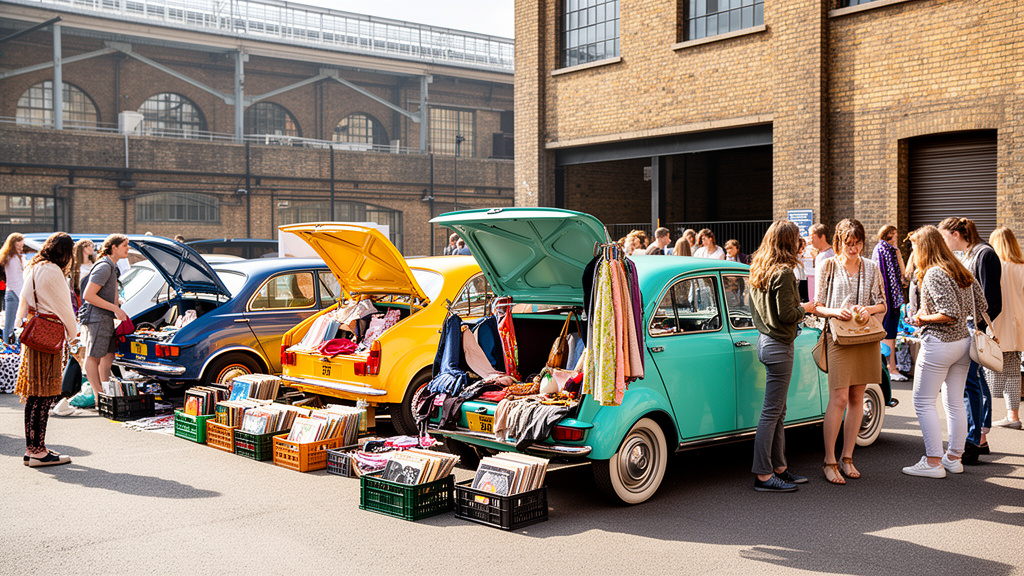
Recognizing that cultural celebration often requires a broader footprint, the festivities are not confined to the museum grounds. The celebration extends to Hackney’s Centre 151, which is hosting a secondary pop-up. This site functions as a community hub for the festival’s more vibrant, social aspects. Featuring live music, curated food stalls, and collaborative arts workshops, Centre 151 provides an essential outlet for the communal joy that defines the Mid-Autumn Festival. The split venue strategy—with the Museum offering reflective, intellectual programming and Centre 151 offering social, performative celebration—creates a holistic experience for attendees.
Secondary Angles: Why This Matters
1. Institutional Shifts: This event underscores a broader trend in UK museums. Cultural organizations are increasingly decentralizing their programs, moving away from ‘tokenistic’ cultural representations and toward deep, longitudinal engagement through initiatives like the East and South-East Heritage Programme. By centering ESEA voices, the Museum of the Home is actively diversifying the narrative of what it means to be a Londoner.
2. Urban Social Fabric: The partnership between a major museum and a local hub like Centre 151 demonstrates how neighborhood cohesion is achieved. By linking historical sites (the museum) with grassroots centers, the organizers are stitching together the social fabric of Hoxton and Hackney, proving that heritage programs can effectively combat the isolation often felt in rapidly gentrifying urban environments.
3. The Economics of Cultural Heritage: While the event itself is free, the long-term economic impact of such programming is substantial. By curating events that draw diverse demographics into the local economy, venues like the Museum of the Home are positioning themselves as vital anchors for ‘heritage tourism’ and community development. This model provides a blueprint for how mid-sized cultural institutions can remain relevant, sustainable, and socially impactful in a competitive fiscal environment.
Conclusion: A Night for Reflection
As the moon reaches its fullness, the activities at the Museum of the Home and Centre 151 provide more than just a momentary escape. They offer a structured environment for the ESEA community and its allies to convene, reflect, and celebrate. For the Museum of the Home, today’s success or failure in drawing attendees will likely influence the scope of their future programming under the East and South-East Heritage Programme, setting a precedent for how London’s cultural sector handles community-led heritage in the years to come.