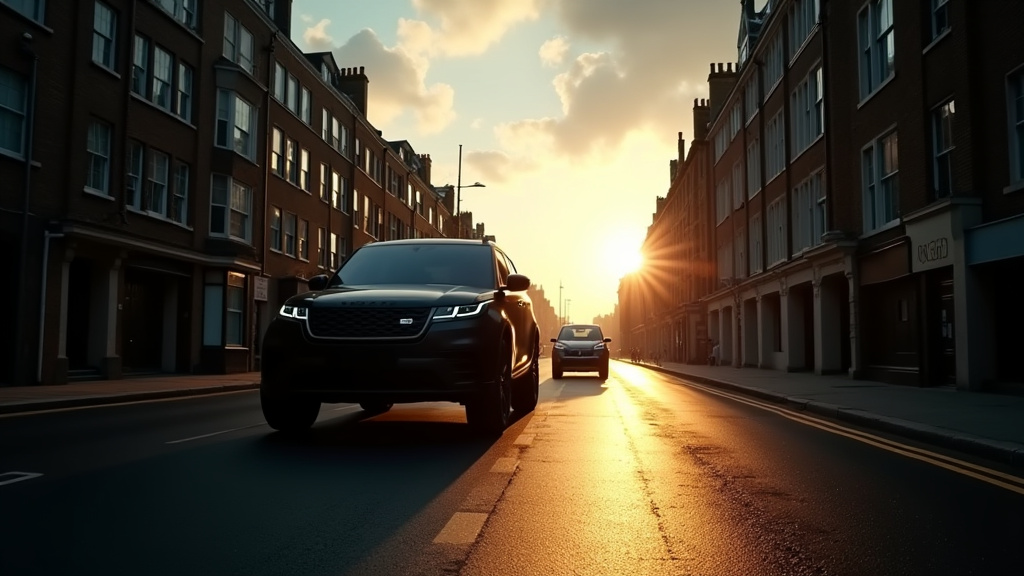
Sadiq Khan is reportedly considering relinquishing his armoured vehicle as part of a broader initiative to curb the use of sport utility vehicles (SUVs) within London.
- The Mayor of London may no longer use his armoured car.
- This move is part of a larger strategy to reduce SUV prevalence in the city.
- The plan aims to address environmental and congestion concerns.
- Details on the wider SUV clampdown are expected soon.
London’s SUV Strategy: A Shift Towards Sustainability
The Mayor’s Vehicle and its Symbolism
The potential decision by Sadiq Khan to give up his armoured car signifies a significant symbolic shift in his approach to urban mobility and environmental policy. While the specifics of his current vehicle are not widely publicized, the implication is that it may be an SUV or a vehicle that falls under the category Khan’s administration seeks to discourage. Armoured vehicles are often larger, heavier, and less fuel-efficient than standard cars, contributing more to carbon emissions and traffic congestion. By proposing to forgo such a vehicle, Khan aims to set a personal example and demonstrate a commitment to the environmental agenda he is championing for the capital.
The Broader Clampdown on SUVs
Beyond the personal example, the core of the initiative lies in a wider strategy to tackle the proliferation of SUVs on London’s streets. SUVs have become increasingly popular due to their perceived safety, space, and status, but their larger size and higher emissions pose significant challenges for urban environments. Khan’s administration is reportedly exploring various measures to discourage their use. These could include stricter emissions zones, increased parking charges for larger vehicles, or even outright bans in certain sensitive areas. The aim is to reduce the overall carbon footprint of transport in London, improve air quality, and alleviate traffic congestion, making the city more liveable and sustainable for its residents.
Environmental and Health Imperatives
The push against SUVs is deeply rooted in the pressing environmental and public health crises facing major cities. Transport is a significant contributor to air pollution and greenhouse gas emissions. SUVs, due to their design, generally have higher fuel consumption and emit more pollutants per mile than smaller, more efficient vehicles. This has direct implications for London’s air quality, which already struggles to meet legal limits for pollutants like nitrogen dioxide. Reducing the number of high-emission vehicles on the road is crucial for meeting climate targets and improving the respiratory health of Londoners, particularly children and vulnerable populations. The mayor’s strategy aligns with wider global and national efforts to transition to cleaner, greener transport solutions.
Economic and Infrastructure Considerations
While the environmental benefits are clear, a clampdown on SUVs also carries economic and infrastructure implications. The automotive industry is already shifting towards electric and hybrid models, and this policy could accelerate that trend. However, it might also face resistance from car manufacturers and consumers who have invested heavily in SUV technology. Furthermore, the city may need to adapt its infrastructure, such as expanding charging points for electric vehicles and reconfiguring parking spaces to accommodate smaller cars. The financial impact on drivers, particularly those who rely on SUVs for work or family, will also need careful consideration, possibly through phased implementation or targeted support schemes.
The Future of Urban Mobility
Khan’s potential move and the broader SUV strategy reflect a growing global trend towards rethinking urban mobility. Cities worldwide are grappling with similar challenges of pollution, congestion, and the need for sustainable transport. The focus is shifting from private car ownership to more integrated public transport systems, cycling infrastructure, and shared mobility solutions. By taking a firm stance on SUVs, London is positioning itself as a leader in developing innovative policies that prioritize people and the environment over large, less efficient private vehicles. The success of this strategy could serve as a model for other metropolitan areas aiming to create cleaner, healthier, and more efficient urban spaces.
FAQ: People Also Ask
What are the main concerns about SUVs in cities?
The primary concerns regarding SUVs in urban environments include their higher contribution to air pollution and greenhouse gas emissions due to lower fuel efficiency, increased traffic congestion owing to their larger size, and potential safety risks to pedestrians and cyclists in collisions.
How might Sadiq Khan’s administration discourage SUV use?
Potential measures could involve expanding the Ultra Low Emission Zone (ULEZ) to cover more areas, increasing charges for SUVs entering central London, implementing higher parking fees for larger vehicles, and potentially introducing stricter regulations on vehicle types permitted in specific city zones.
What are the benefits of reducing SUV usage in London?
Reducing SUV usage can lead to improved air quality, lower carbon emissions, decreased traffic congestion, and a safer environment for pedestrians and cyclists. It also encourages a shift towards more sustainable and efficient modes of transport.
Are other cities implementing similar measures against SUVs?
Yes, several cities globally are implementing or considering similar measures. Examples include restrictions on vehicle size and emissions in city centers, congestion charges, and incentives for smaller, electric, or public transport use to combat urban pollution and congestion.