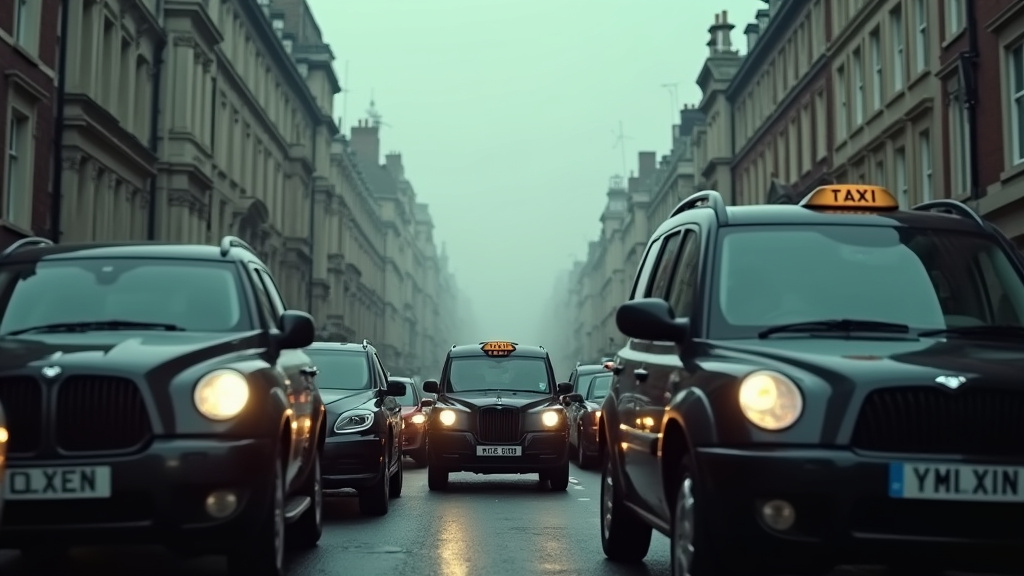
London Mayor Sadiq Khan is reportedly considering a significant policy shift that could see him ditching his own armoured car as part of a broader crackdown on the use of large SUVs within the capital. This potential move signals a growing concern over vehicle emissions, road congestion, and the overall environmental impact of larger vehicles on urban streets. The proposal, if enacted, would not only affect the Mayor’s personal transport but could pave the way for stricter regulations on SUV ownership and usage across London.
Key Highlights:
- Sadiq Khan is reportedly considering abandoning his armoured car.
- This move is linked to a potential crackdown on SUVs in London.
- The policy shift aims to address emissions, congestion, and environmental impact.
- Stricter regulations on SUV usage may be introduced.
- The proposal could influence future urban transport policies nationwide.
London’s SUV Dilemma and Mayoral Action
Mayor Sadiq Khan’s contemplation of foregoing his armoured vehicle is not merely a symbolic gesture; it’s indicative of a broader strategic re-evaluation of transport policies in London, specifically targeting the proliferation of Sport Utility Vehicles (SUVs). The sheer size and, consequently, the higher emissions of these vehicles have become a growing concern for urban planners and environmentalists alike. Khan’s potential decision to lead by example by relinquishing his own armoured car, a symbol of security and authority, underscores the seriousness with which his office is approaching the issue of vehicle pollution and its impact on air quality and public health in the city. This move, if it materializes into policy, would send a powerful message to Londoners about the necessity of transitioning towards more sustainable and environmentally friendly modes of transport.
The Environmental Imperative
The environmental arguments against widespread SUV usage are compelling. These vehicles typically have larger engines, consume more fuel, and consequently emit higher levels of greenhouse gases and other pollutants compared to smaller cars. In a city like London, with its dense population and historical issues concerning air quality, the cumulative effect of thousands of SUVs operating daily exacerbates these problems. Khan’s initiative aligns with the city’s broader environmental targets, including its commitment to achieving net-zero emissions. By addressing the SUV issue, the Mayor’s office is directly confronting one of the significant contributors to urban pollution, aiming to create a healthier and more sustainable living environment for its residents.
Economic and Practical Considerations
Beyond the environmental aspect, the crackdown on SUVs could also have significant economic and practical implications. The congestion caused by larger vehicles contributes to longer travel times, increased fuel consumption for all road users, and greater wear and tear on road infrastructure. Furthermore, the sheer size of SUVs makes them more challenging to maneuver and park in the often-cramped streets of London, leading to increased traffic incidents and parking disputes. A policy shift could encourage the adoption of smaller, more efficient vehicles, potentially boosting the market for electric and hybrid alternatives and stimulating innovation in the automotive sector.
Public Perception and Policy Precedent
The decision to potentially ban or restrict SUVs, even if starting with the Mayor’s own vehicle, is bound to attract considerable public attention and debate. It sets a precedent for other cities grappling with similar urban transport challenges. The success of such a policy would likely depend on a combination of public awareness campaigns, incentives for adopting greener vehicles, and potentially, punitive measures for non-compliance. The Mayor’s office will need to carefully balance the environmental and health benefits against potential public backlash and the economic impact on vehicle owners and the automotive industry. The move also raises questions about the future of mayoral security protocols and whether alternative, less conspicuous, yet equally effective security measures can be implemented.
FAQ: People Also Ask
What are the primary concerns driving a potential SUV crackdown in London?
The primary concerns revolve around increased vehicle emissions contributing to air pollution and climate change, heightened traffic congestion due to the larger size of SUVs, and the greater wear and tear they inflict on road infrastructure. Additionally, their fuel inefficiency and parking difficulties in urban environments are significant factors.
How might Sadiq Khan’s personal decision to ditch his armoured car influence policy?
His personal decision serves as a powerful symbolic gesture, demonstrating a commitment to the cause and leading by example. It aims to garner public support and legitimize potentially stringent policies targeting SUVs, signaling that even those in positions of authority are willing to adapt for environmental and urban planning reasons.
What are the environmental benefits of reducing SUV usage in London?
Reducing SUV usage would lead to lower levels of harmful pollutants such as nitrogen oxides and particulate matter, improving London’s air quality and public health. It would also decrease greenhouse gas emissions, contributing to the UK’s climate change targets and reducing the city’s overall carbon footprint.
What are the potential economic impacts of an SUV crackdown?
Potential economic impacts include a shift in the automotive market towards smaller, more fuel-efficient, or electric vehicles, potentially benefiting manufacturers and consumers focused on sustainability. Conversely, it could negatively affect owners of existing SUVs and the industry segments that heavily rely on their production and sale. Congestion reduction could also lead to economic savings through reduced travel times and fuel costs.