Asda has officially broken a two-year stagnation streak, posting a modest but critical 0.2% rise in like-for-like sales for the seven weeks leading up to August 18, 2026. This performance marks a pivotal shift for the retailer, suggesting that the massive operational hurdles associated with its separation from Walmart are finally beginning to clear, allowing the business to pivot toward aggressive market competitiveness.
Key Highlights
- Return to Growth: A 0.2% rise in sales at established stores in the seven weeks ending August 18, 2026.
- Operational Stabilization: Executive chair Allan Leighton points to improved IT system stability following the complex decoupling from Walmart’s legacy infrastructure.
- Strategic Pricing: A renewed focus on lower prices and competitive value tiers helped drive consumer engagement.
- Digital Enhancement: Improved online services and user experience updates have directly contributed to the positive sales trajectory.
The Turnaround Strategy: Stability and Price
The 0.2% growth figure, while modest, represents a significant psychological and operational victory for Asda. For the better part of twenty-four months, the retailer has been hampered by internal friction, specifically the grueling process of detaching from the technological ecosystem of its former parent company, Walmart. In the retail sector, IT infrastructure is the nervous system of operations; when that system is undergoing a massive, multi-year migration, inventory management, supply chain efficiency, and online order processing often suffer.
The IT Decoupling Hurdle
For years, Asda relied on Walmart’s global IT backbone. When ownership changed, the mandate was to decouple these systems—a process colloquially referred to as “Project Future” in industry circles. This was not merely a software update; it was a total reconstruction of data centers, payment gateways, and inventory tracking systems while the store continued to operate. The resulting downtime and integration glitches historically created friction for both shoppers and staff. Allan Leighton’s recent acknowledgement of improved IT stability is the first major confirmation that the retailer has successfully navigated the most perilous phase of this technical transition. With the “digital plumbing” now secure, the retailer can redirect resources from IT remediation to customer-facing growth.
Price as a Weapon
In the current UK retail climate, price sensitivity is at an all-time high. Consumers are navigating persistent inflationary pressures, making them increasingly “brand-agnostic” when looking for value. Asda’s strategic decision to prioritize lower prices—specifically in its private-label ranges—appears to have paid off. By lowering the cost of essential goods, the retailer has successfully recaptured a segment of the market that had drifted toward discounters during the period of stagnation. This approach demonstrates a shift back to Asda’s core brand identity: “Everyday Low Prices.”
Analysis: The ‘Leighton Effect’ and Market Positioning
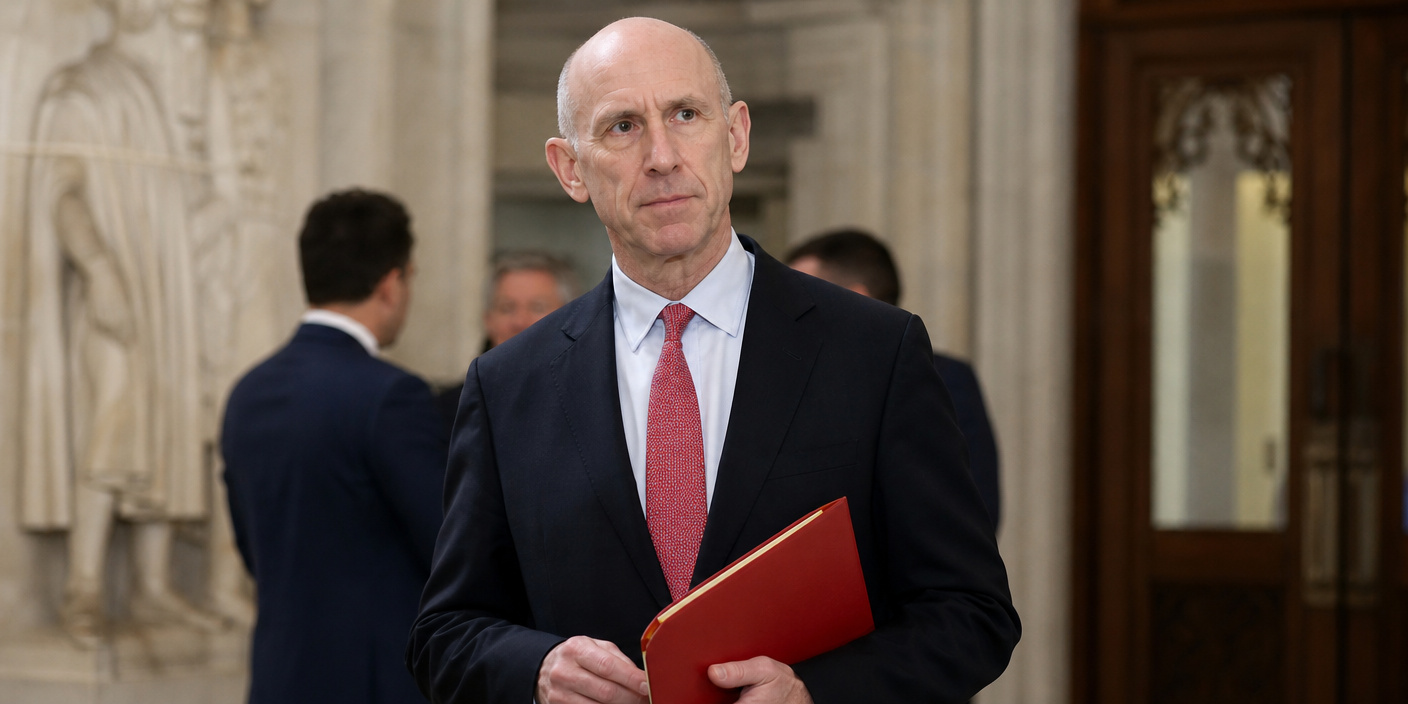
Executive Chair Allan Leighton is no stranger to the UK retail landscape, and his fingerprints are clearly visible on this turnaround. Leighton’s management style, characterized by a focus on “back-to-basics” retail fundamentals, has provided the necessary consistency that the leadership team lacked during the transitional volatility.
Strategic Secondary Angles
1. The End of Technological Debt
With the core IT infrastructure stabilized, Asda is no longer paying the “innovation tax” of fixing legacy system bugs. This allows for faster deployment of new features, such as AI-driven supply chain forecasting and dynamic pricing models. The decoupling was a massive capital drain; its completion is a major milestone that could lead to improved profit margins in the coming quarters.
2. Competitive Pricing in an Inflationary Climate
Asda’s 0.2% growth proves that even in a highly competitive market dominated by German discounters, established heritage brands can win if they leverage their scale effectively. The ability to lower prices while maintaining thin margins suggests that the company’s supply chain is becoming more efficient, allowing them to absorb costs that smaller competitors might not be able to manage.
3. Leadership Continuity
Leighton’s steady hand has been vital. In periods of structural change, leadership turnover can exacerbate operational decline. By maintaining a singular strategic vision centered on stability and consumer value, Leighton has restored investor and employee confidence, which is often the precursor to actual financial growth.
FAQ: People Also Ask
Q: How significant is the 0.2% growth figure for Asda?
A: In the context of large-scale retail, 0.2% is a crucial indicator rather than a massive financial windfall. It signifies that the “bleeding” has stopped. It is the first positive data point after two years of decline, indicating that the corrective measures implemented by leadership are working and the business has stabilized.
Q: Why was the decoupling from Walmart so disruptive?
A: Retailers are essentially data companies with physical storefronts. Walmart’s IT infrastructure is among the most sophisticated in the world. Detaching Asda meant recreating essential services like payroll, inventory management, and customer databases from scratch, all while keeping stores open. This transition inevitably led to glitches that impacted the customer experience.
Q: What is next for Asda in 2026 and beyond?
A: With IT stability achieved, focus will likely shift toward market share expansion. Expect to see further investment in online grocery capabilities and potential expansion of their “Just Essentials” value range, as the retailer looks to leverage its newfound operational stability to attract price-conscious shoppers.
Q: Did the price cuts impact Asda’s bottom line?
A: While the source data focuses on sales growth, typical retail strategy suggests that price cuts are an investment in volume. The 0.2% sales increase indicates that the volume of goods sold has likely risen, offsetting the lower price points through higher turnover.