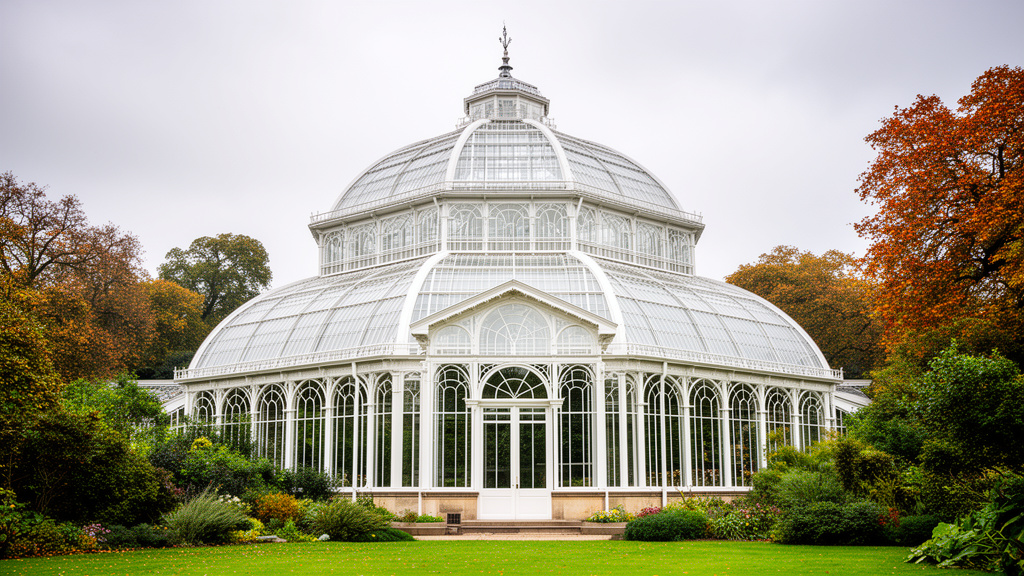
The week of October 5-11, 2026, serves as a pivotal moment for the capital, balancing the preservation of Victorian architectural heritage with the relentless march of modern infrastructure. As London shifts into its autumnal rhythm, the city’s discourse is currently dominated by two distinct narratives: the existential need to protect the Royal Botanic Gardens at Kew and the tangible expansion of the Docklands Light Railway (DLR). These stories, while disparate in scope, underscore a broader theme of London’s constant evolution—a city attempting to reconcile its historic identity with the infrastructural demands of the late 2020s.
Key Highlights
- Kew Gardens Emergency Fund: A £1 million appeal has been launched to secure the structural future of the historic Palm House.
- DLR Infrastructure Milestone: Recent updates confirm steady progress on the DLR network expansion, specifically aimed at increasing connectivity in southeast London.
- Seasonal Cultural Shift: The city’s cultural calendar is entering its prime autumnal phase, with October 2026 marking a shift in programming across London’s museums and theatres.
London’s Autumn Transformation: Heritage, Infrastructure, and Culture
The Palm House: A Race Against Time
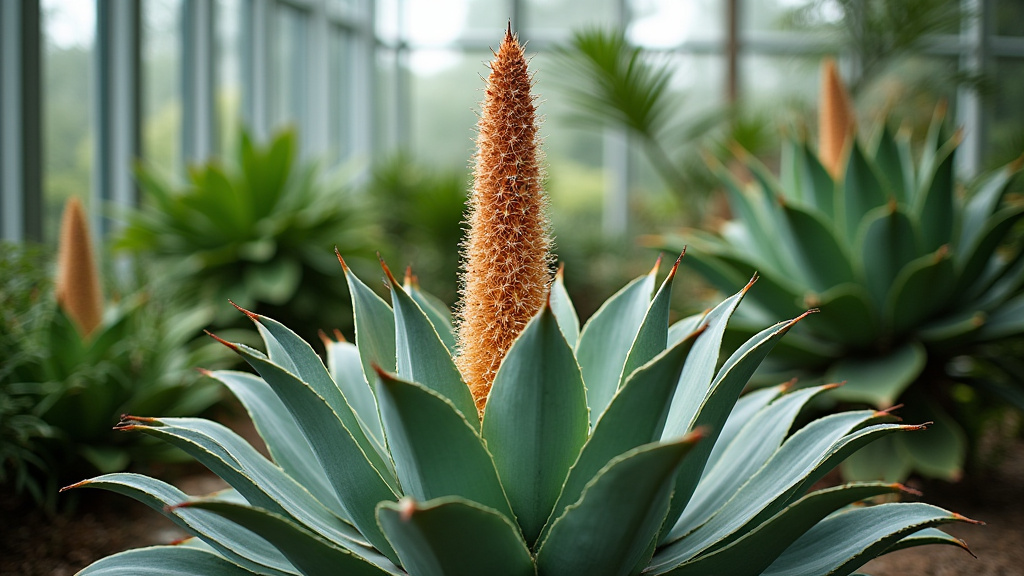
The most pressing cultural development of the week is undoubtedly the urgent fundraising campaign launched by Kew Gardens. The Palm House, widely considered the world’s most important surviving Victorian glass and iron structure, is currently the subject of a £1 million preservation appeal. Designed by architect Decimus Burton and iron founder Richard Turner and completed in 1848, the Palm House is more than just a greenhouse; it is a marvel of maritime engineering and botanical science. However, the structure has reached a critical stage where years of exposure to London’s fluctuating climate have led to advanced corrosion of the wrought-iron frames.
This £1 million is not for mere aesthetic maintenance; it is an urgent requirement to halt degradation. Experts note that the high humidity required to maintain the tropical plants within creates a corrosive internal environment that mirrors the challenges of the external climate. Preservationists argue that failing to address these structural weaknesses now would necessitate a far more expensive and invasive restoration in the coming decade. By launching this campaign, Kew is positioning the Palm House as a global priority for heritage conservation, appealing to both the public and private donors to ensure that one of London’s most recognizable skylines remains intact for future generations.
The DLR Expansion: Connecting the Thames Gateway
While Kew looks to the past, the Docklands Light Railway (DLR) is resolutely focused on the future. Infrastructure reports for the week of October 5-11, 2026, indicate that the DLR extension—a project vital for the long-term economic development of the Thamesmead area—is meeting its key milestones. The expansion is designed to bridge the connectivity gap that has historically hampered the growth of the eastern riverside boroughs.
For residents and businesses, the DLR is more than just a transit system; it is an economic multiplier. The ongoing works are effectively unlocking land for development that was previously deemed inaccessible. The current phase of the extension involves complex engineering feats, including the installation of new signaling software and the integration of automated train control systems, which are essential for maintaining the high frequency and reliability that the DLR is famous for. As London’s population continues to grow, the integration of these outer-borough transport links is being viewed as a blueprint for how the city can handle increased density without overburdening existing road networks. The progress on this extension signals a shift toward a more polycentric city model, where growth is not concentrated solely in the central business districts but is distributed more equitably across the Thames Gateway.
The Intersection of Culture and Climate
As the city enters the second week of October, the seasonal transition is influencing more than just the fashion and temperature; it is dictating the rhythm of the cultural sector. The cultural programming for 2026 reflects a post-pandemic shift toward immersive, location-based experiences. Following the summer’s outdoor-focused events, London’s institutions are moving toward indoor, autumn-appropriate programming that emphasizes history, science, and the arts.
This cultural shift is symbiotic with the environmental efforts seen at Kew. There is an increasing public awareness of how historic institutions and modern urban developments must coexist. The debate surrounding the Palm House, for instance, has sparked broader conversations about the carbon footprint of heritage tourism and how the city’s major cultural hubs can operate more sustainably. Furthermore, as the DLR expansion makes these distant cultural sites more accessible, we are seeing a democratization of London’s cultural offerings. Areas that were once considered peripheral are now becoming cultural destinations, proving that infrastructure and art are inextricably linked in the modern urban experience.
FAQ: People Also Ask
Q: Why is the Palm House at Kew Gardens considered so significant?
A: The Palm House is a masterpiece of Victorian glass and iron engineering. Its design, utilizing steam-bent timber and cast-iron frame construction, pushed the limits of mid-19th-century architecture, allowing for the cultivation of tropical species in the UK climate.
Q: How does the DLR extension impact London’s housing market?
A: Historically, transit links like the DLR serve as a catalyst for housing development. By improving connectivity to areas like Thamesmead, the expansion is expected to make these areas more attractive to developers and residents, potentially easing pressure on central London housing stock.
Q: Is the £1 million fundraising target sufficient for the Palm House restoration?
A: The £1 million is an initial urgent target to address immediate structural stabilization. Full, long-term restoration of the structure will likely require significantly higher investment, but this campaign acts as a vital first step to halt immediate degradation.
Q: What is the timeline for the completion of the current DLR extensions?
A: While specific completion dates are subject to project phases, the current trajectory suggests the extensions will be fully operational by the late 2020s, with phased testing taking place throughout 2026 and 2027.