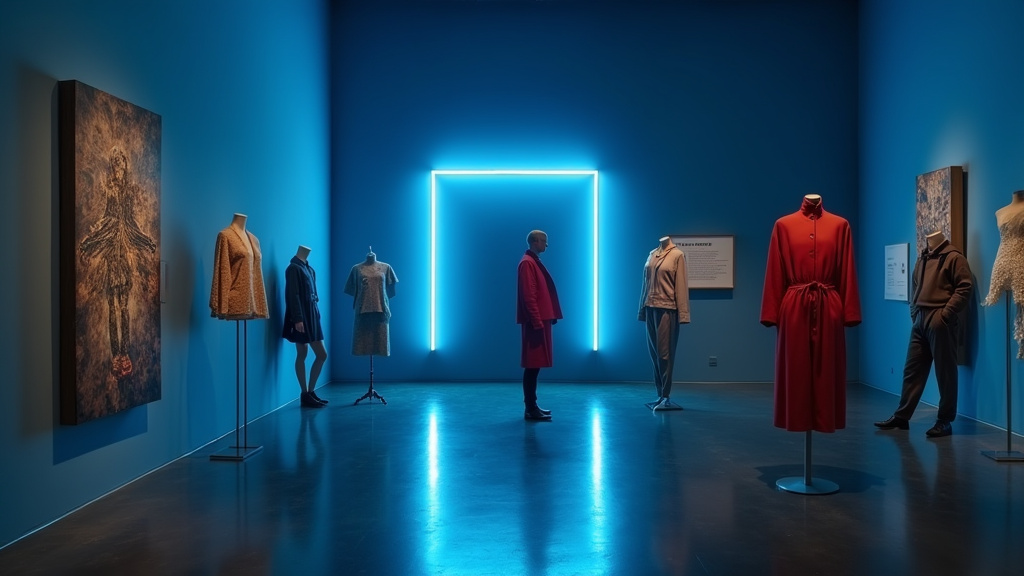
The 1990s was a decade defined by the aggressive blending of high culture and street-level subversion, a era where the boundary between a gallery space and a runway became entirely porous. Tate Britain’s latest exhibition, ‘The 90s: Art and Fashion,’ offers a definitive look back at this chaotic, hyper-creative period, tracing the cultural seismic shifts that redefined British identity through the lens of ‘Cool Britannia.’ By placing heavy-hitting contemporary artworks alongside the era’s most provocative sartorial statements, the museum creates a dialogue between the Young British Artists (YBA) movement and the fashion designers who were equally intent on disrupting the status quo.
Key Highlights
- The Collision of Spheres: The exhibition explicitly maps the interconnected rise of the Young British Artists and the explosion of the London fashion scene, highlighting how both sectors fed into a singular cultural energy.
- Iconic Installations: Featured works include Sarah Lucas’s provocative ‘Pauline Bunny’ and Cerith Wyn Evans’s neon light installation ‘Inverse Reverse Perverse,’ which serve as anchors for the exhibition’s thematic exploration of identity and rebellion.
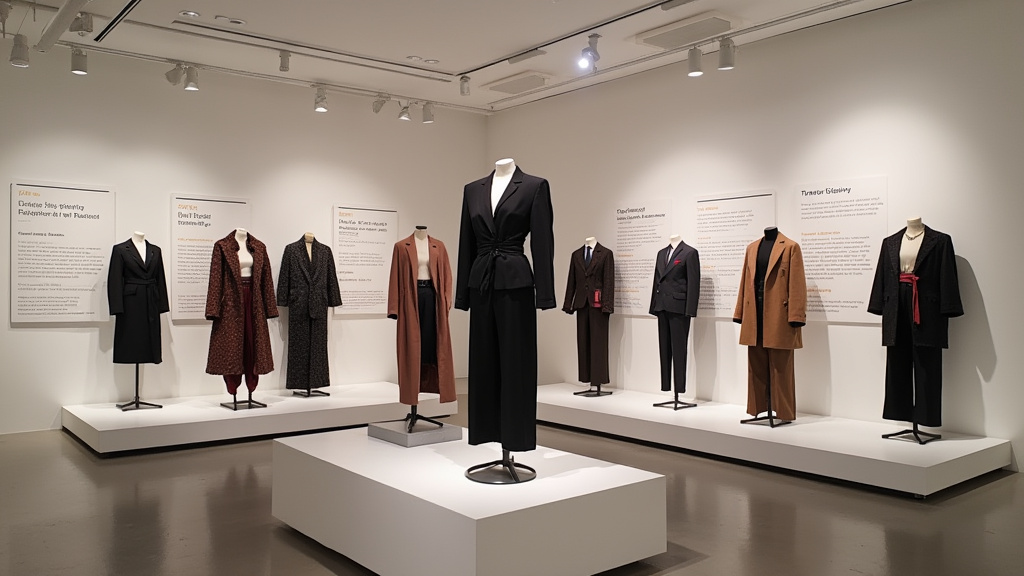
- Fashion as Sculpture: The curation goes beyond mere costume display, treating pieces by designers like Alexander McQueen and Vivienne Westwood as sculptural entities that mirror the subversive intent of their contemporary fine art counterparts.
- The ‘Cool Britannia’ Legacy: The exhibition provides a critical retrospective of the economic and creative boom of the 90s, analyzing whether the era’s optimism has aged into nostalgia or cautionary history.
The Architecture of Rebellion: Curating the 90s Zeitgeist
To understand the magnitude of the 1990s, one must understand the environment in which it was born. The decade wasn’t merely a period of transition; it was an era of intense, often aggressive, identity construction. The ‘The 90s: Art and Fashion’ exhibition at Tate Britain doesn’t shy away from the gritty reality of that transition. It captures the moment when the art market began to explode, driven by a generation of artists—the YBAs—who utilized shock value, irony, and celebrity to command attention.
Walking through the space, visitors are immediately struck by how little has changed in terms of the public’s obsession with this decade. The exhibition does a masterful job of juxtaposing the static, physical art installations against the temporal, shifting nature of fashion. Sarah Lucas’s ‘Pauline Bunny,’ a work that famously utilizes tights stuffed to create a suggestive, fragmented human form, feels just as disruptive today as it did decades ago. It acts as a sculptural anchor, forcing the viewer to confront the commodification of the body—a theme that permeated both the art galleries and the fashion editorials of the 90s.
The Neon Aesthetic: Cerith Wyn Evans and the Light of the Decade
Contrasting the tactile, soft-sculpture subversion of Lucas is the work of Cerith Wyn Evans. His inclusion in the exhibition is vital for understanding the conceptual breadth of the 90s. His neon installation, ‘Inverse Reverse Perverse,’ casts a specific, artificial glow over the proceedings. In the context of this exhibition, the neon is more than just material; it represents the neon-soaked energy of the city nightlife that underpinned the decade’s fashion scene. By placing this light-based work in proximity to the fashion collections, the curators draw a direct line between the ‘club culture’ ethos of the 90s and the aesthetic production of the time.
This is not a traditional retrospective of garments on mannequins. Instead, it is an investigation into the mechanics of the 90s aesthetic. The exhibition invites viewers to consider how the designers of the time—often operating on shoestring budgets in makeshift studios—were using the same raw materials of human emotion and societal rebellion as the artists who were dominating the headlines.
Secondary Angles: The Cultural Aftershocks
1. The Economics of the YBA Movement
While much of the discussion surrounding the 90s focuses on the creative output, the exhibition implicitly highlights the economic shift that occurred. The rise of the YBAs coincided with a massive inflation of the art market. Galleries became showrooms for celebrity, and this exhibition forces us to grapple with the commercialization of rebellion. Was the 90s art boom the first time the market truly cannibalized the counterculture? The exhibit suggests that the relationship between art and the market in the 90s set the template for the influencer-driven landscape we see today.
2. Sustainability and the Cycle of Nostalgia
There is a profound irony in looking at 90s fashion through a modern lens. Today, the fashion industry is obsessed with sustainability and the reduction of waste, yet the 90s were characterized by a rapid, disposable aesthetic cycle. By showcasing these pieces now, Tate Britain isn’t just archiving history; it is feeding a current global trend of 90s nostalgia. This raises a key question for the modern observer: are we looking at these items as museum pieces, or as a blueprint for the next wave of ‘fast-fashion’ re-releases? The archival nature of the exhibition stands in direct opposition to the hyper-consumption that defined the decade it celebrates.
3. The Museum’s Role in Defining ‘History’
Finally, the exhibition raises the question of curatorial distance. The 90s are sufficiently far away to be analyzed, but recent enough to be remembered by those who lived it. Tate Britain is effectively canonizing a period that was originally ‘anti-establishment.’ When the museum—the ultimate establishment institution—claims the work of the YBAs, it essentially legitimizes the subversion, potentially stripping it of its original, dangerous edge. This is the central tension of the exhibition: the formalization of the informal.
FAQ: People Also Ask
Q: What is the primary focus of Tate Britain’s ‘The 90s: Art and Fashion’ exhibition?
A: The exhibition explores the cross-pollination between the burgeoning Young British Artists (YBA) movement and the radical fashion scene in London during the 1990s, analyzing how both fields challenged traditional cultural boundaries.
Q: Are there specific artists highlighted in the exhibition?
A: Yes, the exhibition features prominent works including Sarah Lucas’s ‘Pauline Bunny’ and the light installations of Cerith Wyn Evans, such as ‘Inverse Reverse Perverse,’ alongside various fashion archival pieces.
Q: How does the exhibition address the theme of ‘Cool Britannia’?
A: It situates ‘Cool Britannia’ as a specific economic and creative phenomenon, examining both the vibrant, optimistic energy of the era and the underlying tensions between high-concept art and commercial fashion production.