The traditional museum experience—often associated with bright, daylight hours and bustling tourist queues—is undergoing a dramatic transformation. London is witnessing a renaissance of its cultural nightlife as the historic ‘Museums at Night’ initiative returns, granting citizens and visitors unprecedented twilight access to over 50 premier institutions. From the hallowed halls of the Victoria and Albert Museum (V&A) to the imposing skeletons housed within the Natural History Museum, the city’s cultural sector is redefining how we engage with history, art, and science. This shift moves beyond the standard exhibition model, offering a curated, intimate atmosphere that alters the very nature of public engagement with heritage sites.
The Shift in Cultural Consumption
For decades, the standard operating model for cultural institutions was dictated by a 9-to-5 or 10-to-6 schedule. However, the resurgence of this late-night initiative signals a strategic pivot in how these organizations attract a modern demographic. The contemporary visitor is no longer satisfied with merely viewing artifacts; they crave an experience. By extending operating hours, museums are positioning themselves as vital ‘third places’—essential hubs that sit between the office and the home. This initiative serves as an acknowledgement that London is a 24-hour city, and its cultural heartbeat should reflect that rhythm.
Illuminating History: The Curatorial Difference
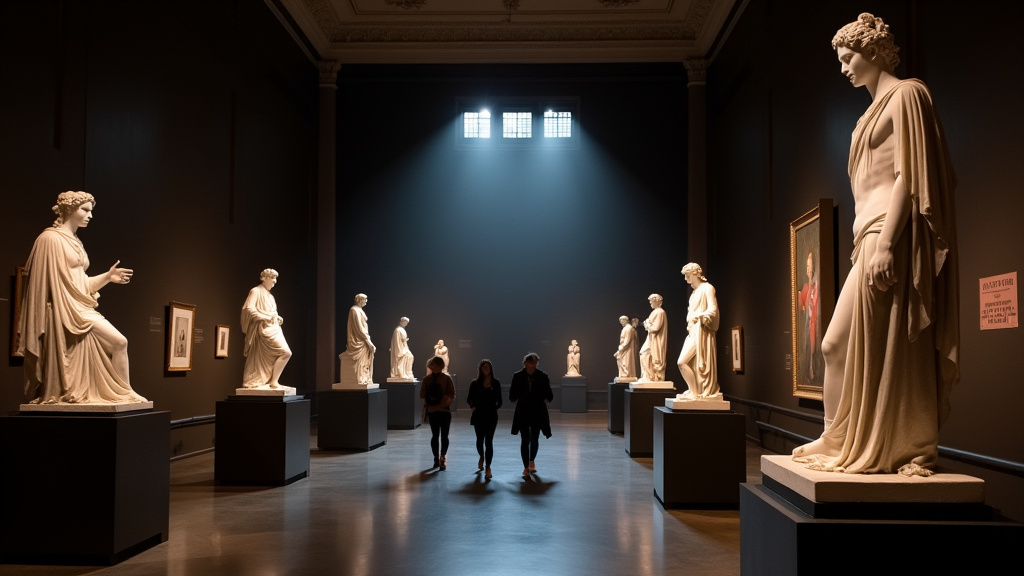
The most profound impact of this movement is not just the extended time, but the change in perception that occurs after sunset. Art curators and heritage experts have long noted that lighting dictates the emotional resonance of an installation. Under the soft glow of twilight and bespoke evening lighting, the textures of sculptures, the intricate details of medieval manuscripts, and the shadows of natural history specimens take on a completely different character.
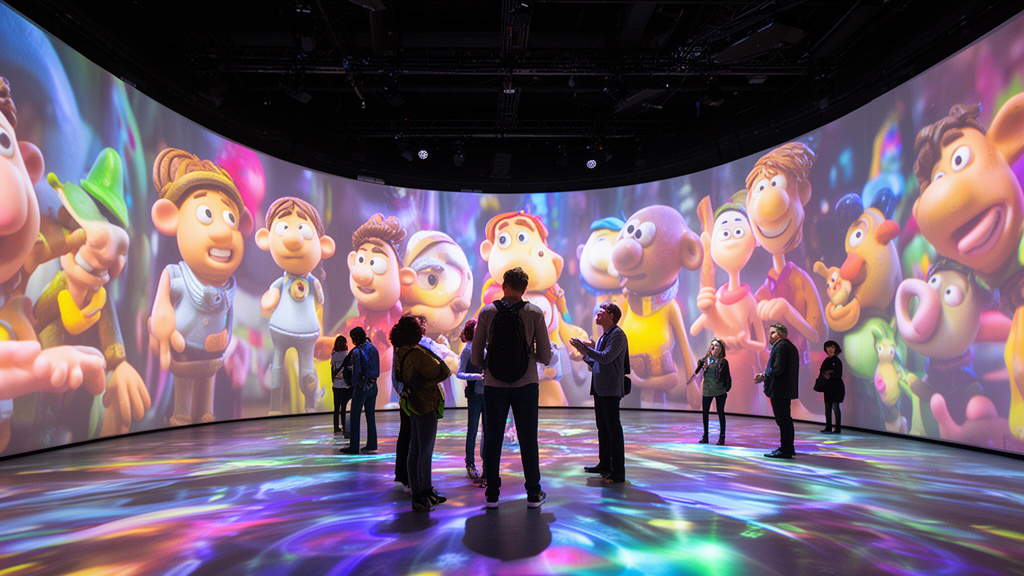
At the V&A, for instance, the architecture of the Cast Courts—which normally feels grandiose and overwhelming—transforms into a theatrical stage when illuminated for evening visitors. This is not just a logistical extension; it is an aesthetic re-interpretation. The event allows curators to experiment with non-linear storytelling, often moving away from the didactic placards of the daytime to more immersive, atmospheric interactions. It forces a pause, encouraging a contemplative, slower pace of viewing that is rarely possible amidst the frantic daytime tourist surges.
Economic Resilience and the Night-Time Economy
There is a broader economic argument at play here as well. The Night Time Industries Association (NTIA) has frequently lobbied for cultural institutions to integrate more fully into the evening economy. By keeping museums open past 6:00 PM, these institutions are not only generating additional revenue through extended café, restaurant, and gift shop sales, but they are also providing a culturally enriching alternative to the traditional pub-and-restaurant-dominated night out.
This initiative effectively bridges the gap between ‘high culture’ and ‘nightlife.’ It creates a sustainable model where museums can compete with cinemas, theatres, and live music venues for the public’s leisure time. By utilizing the existing infrastructure of these magnificent buildings, the cost-to-benefit ratio of these late-night openings is highly favorable. It leverages the asset—the building itself—during hours when it would otherwise be dormant, turning a sunk cost into an active revenue driver.
The Future of Curatorial Innovation
As this ‘Museums at Night’ initiative continues to scale, it raises questions about the future of museum programming. Will we see a permanent shift toward late-night hours? Several institutions participating in this 50-venue rollout are using this opportunity to pilot ‘micro-exhibitions’ that are specifically designed for the night. These are not just standard displays, but performance-based, sound-integrated, or interactive installations that require low-light environments.
Moreover, the logistics of security, staffing, and crowd management for evening events are becoming a new standard of competency for museum boards. The success of this current run will likely dictate policy for years to come. If engagement metrics remain high, we can expect to see a more permanent integration of these twilight hours, possibly shifting the very ‘DNA’ of the London museum experience from a weekend day-trip activity to a weeknight social routine.
Engaging the Next Generation
Finally, we must look at the demographics of this shift. Late-night access is overwhelmingly popular with working professionals and younger adults (the ‘millennial’ and ‘Gen Z’ cohorts) who struggle to find time for cultural activities during typical opening hours. By dismantling the barrier of the standard working day, these museums are effectively democratizing access to culture. The vibe is significantly less academic and more communal, often accompanied by pop-up bars, live music, or short-form lectures that feel more like social mixers than formal educational sessions. This creates a powerful ‘entree’ point for individuals who might otherwise feel intimidated by the hushed, sterile atmosphere of a daytime museum.
By opening these doors, London’s institutions are proving that the past has a place in the future, provided it is willing to evolve alongside the changing habits of its audience. The twilight return of these 50+ venues is more than just a calendar event; it is a vital recalibration of what it means to be a cultural space in the 21st century.