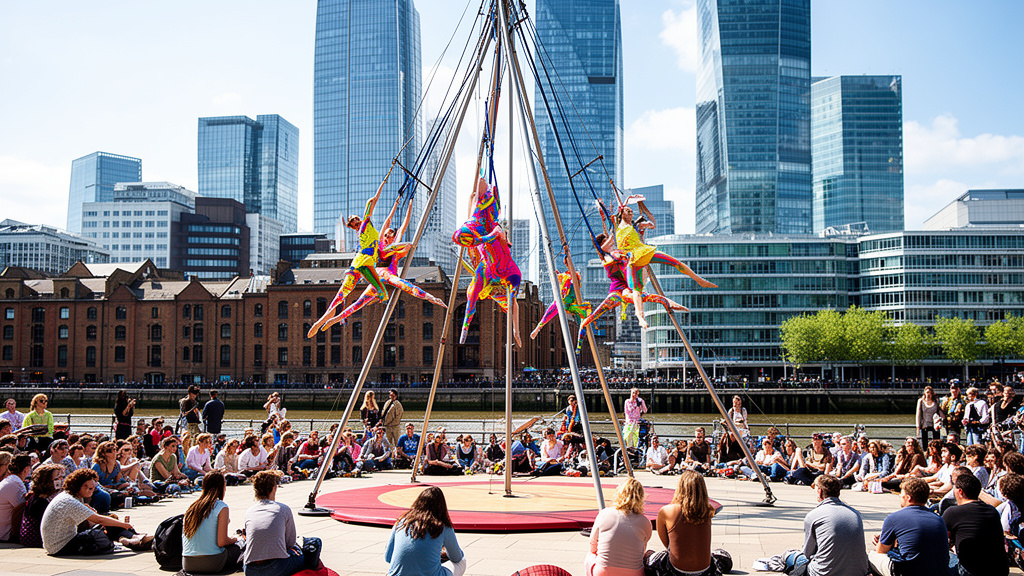
As summer begins its final descent, London’s cultural calendar ignites with the return of the Greenwich + Docklands International Festival (GDIF), scheduled to run from August 21 to September 6, 2026. This premier outdoor arts event continues its legacy of transforming public spaces into vibrant stages for world-class circus, theatre, and dance, offering an accessible, free-to-attend experience for all Londoners and visitors alike.
Key Highlights
- Event Dates: August 21 – September 6, 2026.
- Core Mission: Delivering world-class, free-to-access outdoor arts programming.
- Artistic Disciplines: A diverse lineup featuring contemporary circus, immersive street theatre, and cutting-edge dance.
- Scope: Centered in Greenwich and the Docklands, utilizing London’s historic and modern urban architecture as the backdrop.
Unlocking the City: The GDIF 2026 Vision
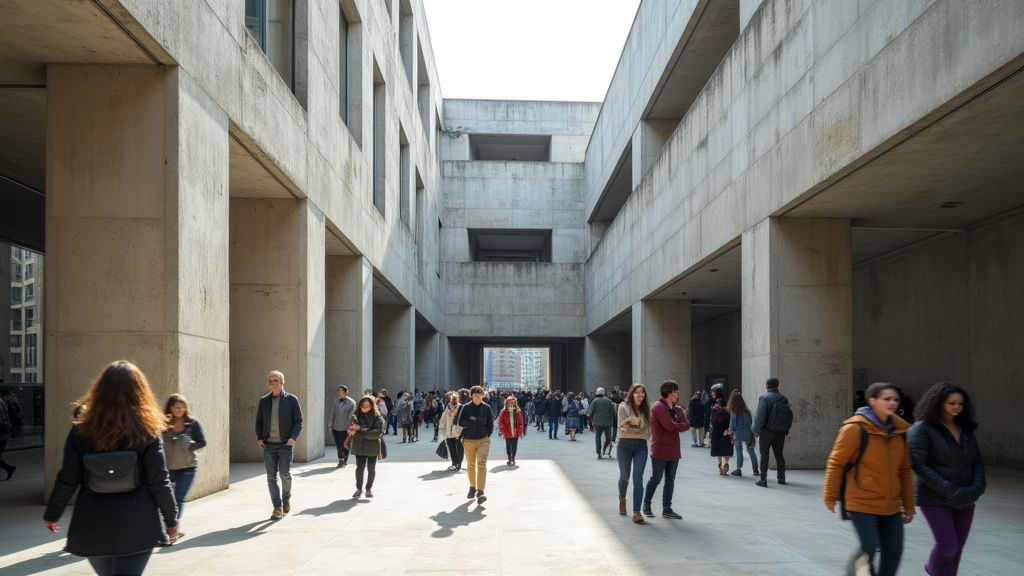
For nearly two decades, the Greenwich + Docklands International Festival has served as a pivotal anchor in the UK’s summer arts season. As we look toward the 2026 edition, the festival is poised to once again challenge the boundaries of what public art can achieve. Unlike traditional gallery or theatre settings, GDIF leverages the unique architectural juxtaposition of Greenwich’s maritime heritage and the stark, glass-and-steel modernity of the Docklands, turning familiar transit routes and parklands into sites of performance.
Transforming the Urban Stage
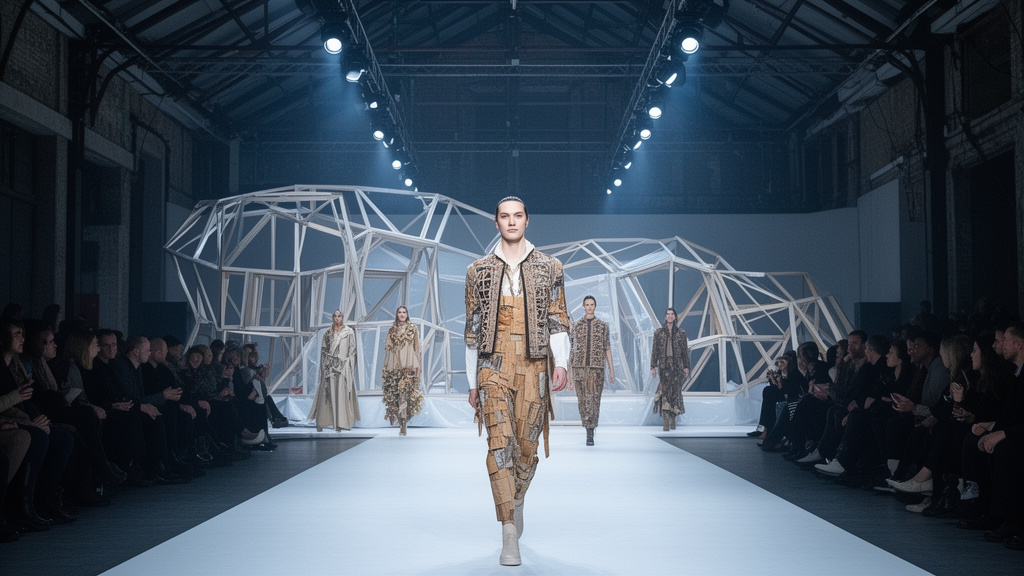
The 2026 festival is not merely a series of performances but a masterclass in urban transformation. By utilizing public squares, waterfronts, and thoroughfares, the festival organizers force a re-evaluation of London’s geography. The strategy is deliberate: by placing high-production value circus and theatre in the path of the daily commute, GDIF removes the economic and psychological barriers to entry. In 2026, spectators can expect to see the streets of East London repurposed as immersive stages, where the line between the audience and the performer is intentionally blurred, fostering a sense of shared community experience.
A Mandate for Accessibility
Accessibility is not just an operational goal for GDIF; it is the philosophical core of the organization. The festival operates under the belief that world-class cultural enrichment should not be gated by ticket prices or elite venue locations. This mission is particularly relevant in 2026, as the city navigates the complexities of the cost-of-living crisis and seeks ways to maintain public morale. By keeping the vast majority of the program free, the festival democratizes art, ensuring that families, students, and tourists from all socioeconomic backgrounds can engage with professional-grade artistic work. This inclusivity also extends to physical accessibility, with dedicated efforts to provide integrated sign language interpretation, audio description, and wheelchair-accessible performance spaces.
The Artistic Pillars: Circus, Theatre, and Dance
The 2026 program is built on three foundational pillars: circus, theatre, and dance. The circus elements, which have become a hallmark of the festival, are expected to push physical limits, utilizing urban structures for vertical dance and aerial performance. Theatre at GDIF is rarely static; it often incorporates site-specific storytelling that utilizes the history of the Greenwich area as a narrative device. Contemporary dance, meanwhile, will provide the festival’s kinetic energy, with choreography that responds to the rhythm of the city. Each of these forms serves a purpose, creating a balanced itinerary that offers something for the thrill-seeker, the history buff, and the art enthusiast.
Historical Roots: From Maritime to Modern
To understand the magnitude of GDIF, one must look at its origins. The festival was born out of a desire to rejuvenate the artistic landscape of East London, utilizing the area’s rich maritime history as a canvas. Greenwich, once the epicenter of global naval navigation, provides a sense of scale and permanence that grounds the festival’s ephemeral performances. Over the years, the festival has evolved from a local community event into a globally recognized destination for outdoor arts, drawing talent from across the globe. The 2026 iteration honors this legacy by balancing new, experimental works with the grand, traditional outdoor staging techniques that have come to define the festival.
Economic and Social Impact on East London
The economic footprint of GDIF is significant. By attracting thousands of visitors to Greenwich and the Docklands, the festival acts as a catalyst for local businesses, from independent cafes and restaurants to retail hubs. However, the social impact is arguably more profound. Cultural festivals like GDIF serve as ‘social glue,’ creating shared memories and points of interaction in an increasingly digital and siloed world. The festival invites neighbors to meet, visitors to explore, and the city to breathe together, creating a temporary, vibrant community that lingers long after the stages are packed away.
The Future of Open-Air Performance
Looking toward the future, the 2026 festival serves as a testbed for sustainable arts production. With the outdoor events sector under increased pressure to manage carbon footprints and waste, GDIF is at the forefront of implementing eco-friendly production models. This includes the use of sustainable power sources for lighting and sound, as well as digital-first promotional strategies to minimize physical waste. As the festival concludes on September 6, it will likely provide a blueprint for how arts organizations can thrive in a changing climate, proving that large-scale events can coexist with, and even benefit, their urban environments.
FAQ: People Also Ask
Q: Are all events at the Greenwich + Docklands International Festival free?
A: The vast majority of GDIF programming is completely free to attend. While some specialized workshops or intimate ticketed events may occasionally appear in the lineup, the festival’s primary mission is to provide open-access, public art for the community.
Q: Where should I stay to best experience the festival?
A: Staying within the Greenwich or Canary Wharf areas offers the most convenience. These locations are the primary hubs for the performances, and staying nearby allows you to easily move between different site-specific locations without relying heavily on transit.
Q: Is the festival suitable for families with children?
A: Absolutely. GDIF is renowned for its family-friendly atmosphere. A significant portion of the circus and street theatre acts are designed to be accessible and engaging for all ages, making it one of the premier summer events for families in London.
Q: How do I find the schedule for specific performances?
A: The full, detailed schedule is typically published on the official GDIF website shortly before the August 21 launch. Because performances are often site-specific, it is recommended to download the official festival app or check their social media channels for real-time updates regarding weather or schedule adjustments.