As the summer of 2026 reaches its crescendo, London transforms into a global epicenter of culture, history, and urban vitality. August is arguably the most dynamic month in the city’s calendar, characterized by a unique juxtaposition of tradition and contemporary expression. For residents and visitors alike, navigating the city during this peak tourism month requires a strategic approach to ensure you witness the essential cultural touchstones while managing the influx of visitors. This comprehensive guide breaks down the major events defining the city this August, focusing on the Notting Hill Carnival, the BBC Proms, and the exclusive summer opening of Buckingham Palace, while providing the localized insights necessary to navigate the capital with ease.
Key Highlights
- Notting Hill Carnival: Experience Europe’s biggest street party on August 30–31, 2026, featuring unparalleled Caribbean culture, music, and cuisine.
- The BBC Proms: Secure tickets for the world’s largest classical music festival at the Royal Albert Hall, running throughout the month.
- Buckingham Palace Access: Take advantage of the limited-time State Rooms tours, offering a rare glimpse into the official residence of the Monarch.
- Smart Navigation: Leverage Transport for London’s (TfL) contactless payment systems to navigate the inevitable surge in summer passenger traffic efficiently.
The Cultural Pulse of London: August 2026
August in London is not merely a month on the calendar; it is a season defined by the rhythm of the streets and the acoustics of the city’s most storied venues. As we look toward August 2026, three major pillars define the visitor experience: the community-led celebration of the Notting Hill Carnival, the high-culture prestige of the BBC Proms, and the regal accessibility of Buckingham Palace. Understanding how to integrate these high-profile events into a cohesive itinerary is the key to mastering a London summer.
The Heartbeat of Notting Hill
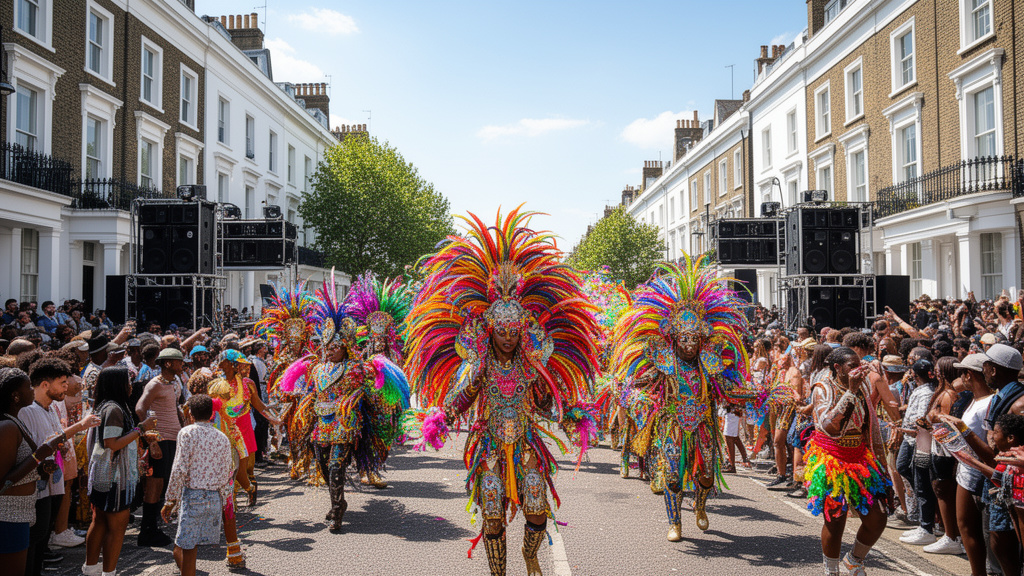
The Notting Hill Carnival, scheduled for the Bank Holiday weekend of August 30–31, 2026, remains the undisputed cultural highlight of the late summer. Born from the Caribbean immigrant experience in the 1950s, the event has evolved into a massive, two-day spectacle of sound systems, steel bands, and vibrant masquerade processions.
For 2026, attendees should prepare for a significant crowd presence. Local experts emphasize arriving early—before 10:00 AM—to secure a viewing spot along the main procession route. Unlike static exhibitions, the Carnival is a fluid, living entity. The sound systems, often centered around Powis Square, are the auditory anchors of the event. It is essential to note that the event is essentially a street festival; there is no formal ticketing, making it accessible to all, but also placing a high demand on local infrastructure. Visitors are encouraged to utilize the Ladbroke Grove or Westbourne Park Underground stations, though travelers should anticipate station closures and significant pedestrian traffic. The economic impact of the Carnival is substantial, contributing millions to the local London economy through tourism, hospitality, and independent street vending, showcasing the resilience and creativity of the local community.
The Acoustic Excellence of the BBC Proms
Running concurrently with the summer heat, the BBC Proms at the Royal Albert Hall offers a sophisticated counterpoint to the street-level energy of the Carnival. In 2026, the Proms continue their legacy as the world’s most democratic classical music festival. For the uninitiated, the term ‘Proms’ stems from ‘Promenade Concerts,’ where the audience could move around the hall. Today, the ‘Arena’ and ‘Gallery’ standing tickets—available on the day—provide a unique, affordable way to experience world-class symphonic performances.
For 2026, the program is expected to balance traditional repertoire with experimental new works. The key local tip here is to book well in advance for seated tickets, but to keep the ‘Day Promming’ option in your back pocket for a spontaneous, budget-friendly night out. The Royal Albert Hall’s Victorian architecture serves as a stunning backdrop, making it one of the most Instagrammable and historically significant venues in the UK. We advise attendees to dress for the occasion; while the Proms are increasingly accessible, the venue retains a level of formal elegance that enhances the overall atmosphere.
Royal Access: The Buckingham Palace Summer State Rooms
One of the most anticipated events for tourists in August 2026 is the annual opening of the State Rooms at Buckingham Palace. This limited-time event allows the public to walk through the grandest rooms of the working palace, providing insights into the Royal Collection and the history of the British monarchy.
Availability is strictly limited, and tickets usually sell out weeks, if not months, in advance. If you are planning for August 2026, we strongly recommend booking your time slots via the Royal Collection Trust website by early spring. The tour typically concludes in the Palace Gardens, offering a serene escape from the bustling city streets. This exclusive access serves as a major draw for international tourism, and the logistical management of these tours is a masterclass in crowd control, with timed entries ensuring that the experience remains orderly despite the massive demand.
Secondary Angles: Logistics, Economics, and Strategy
To fully appreciate the 2026 August season, one must look beyond the marquee events. First, the logistical reality of London in August is shaped by Transport for London. With the surge in tourism, the Tube network often experiences localized congestion. Utilizing the contactless payment system—which accepts credit cards and mobile wallets—is the most efficient way to travel, bypassing the need for physical tickets.
Second, we must consider the economic impact. August is the busiest month for the London hospitality sector. This creates a ‘ripple effect’ where local businesses, from boutique hotels in Kensington to independent cafes in Notting Hill, rely on this seasonal revenue. Travelers who choose to support local, independent businesses rather than large chains are contributing directly to the vitality of the city’s neighborhoods.
Finally, the future of London events is trending toward sustainability. The 2026 events are increasingly focused on reducing plastic waste, improving crowd flow management, and promoting public transit to lower the carbon footprint of these massive gatherings. Visitors who opt for walking or cycling between nearby landmarks are not only contributing to a greener city but are often rewarded with a more intimate view of London’s hidden architectural gems.
FAQ: People Also Ask
Q: Is it difficult to navigate London during the Notting Hill Carnival weekend?
A: Yes, it is challenging. Large swathes of the Notting Hill area are cordoned off for the parade. Public transport, particularly the Tube, is heavily disrupted. Plan your travel around the periphery of the event and use walking apps to find alternative routes.
Q: Are there ‘quiet’ spots in London during August?
A: While the central landmarks are crowded, areas like Hampstead Heath, the canals of Little Venice, or the gardens in Richmond offer a reprieve from the summer heat and the throngs of tourists in the city center.
Q: Do I need to book tickets for the BBC Proms in advance?
A: For the most popular concerts, yes. However, if you are flexible, the ‘Day Promming’ queue is a fantastic way to see world-class music for a fraction of the cost, provided you are willing to wait in line at the Royal Albert Hall.
Q: What is the best way to pay for transport in London in August 2026?
A: Use contactless payment. Whether via a credit/debit card or a mobile wallet (like Apple Pay or Google Pay), tapping in and out of the Tube and bus network is the fastest, cheapest, and most efficient method, eliminating the need to wait in queues for ticketing machines.