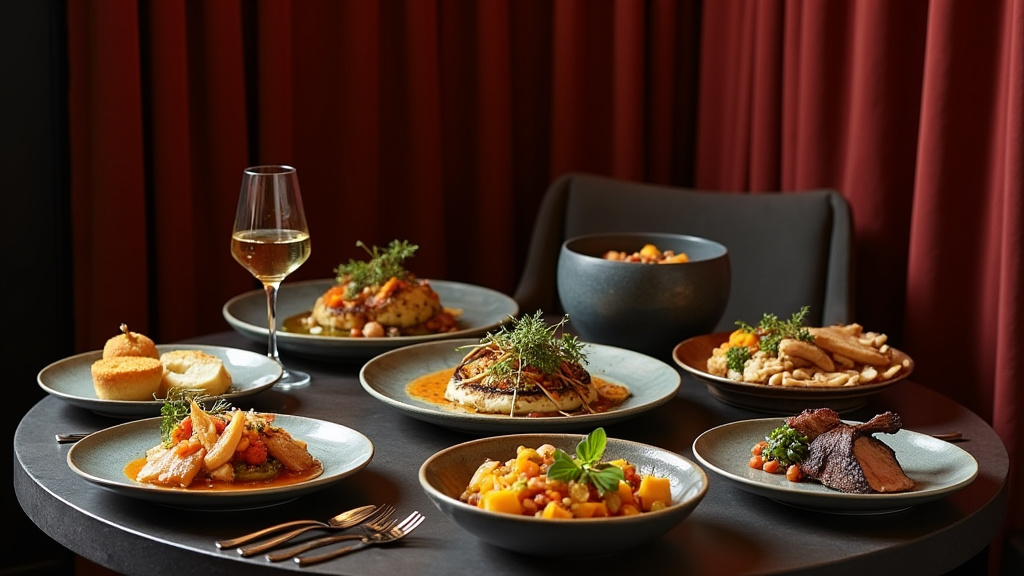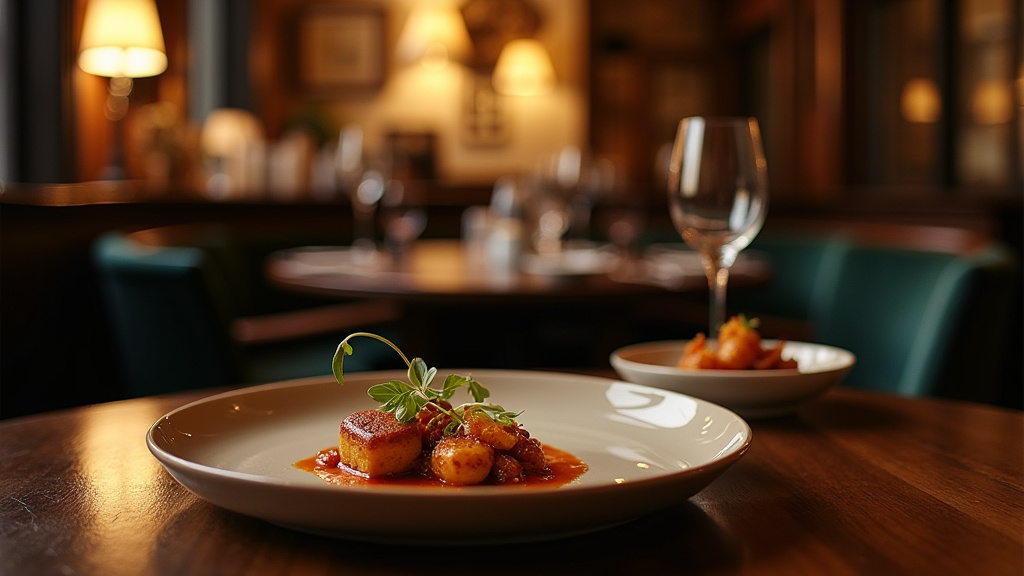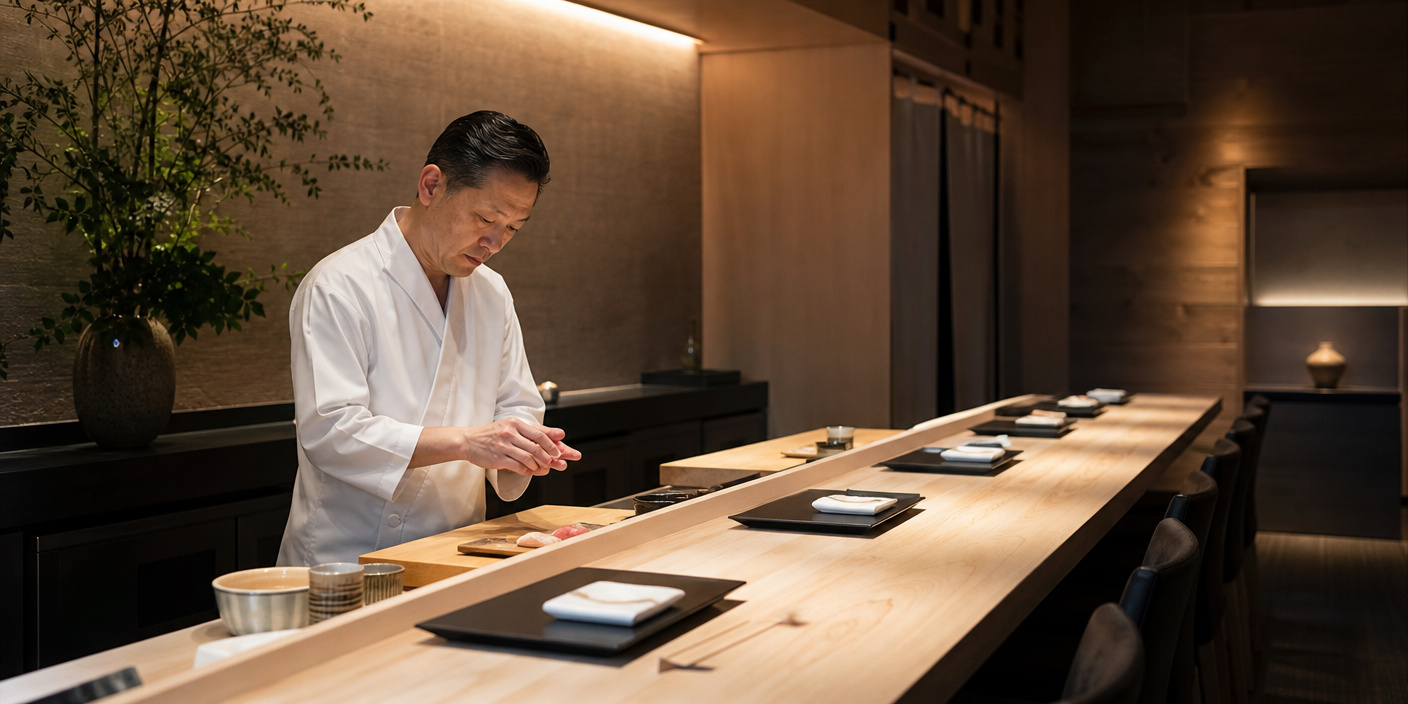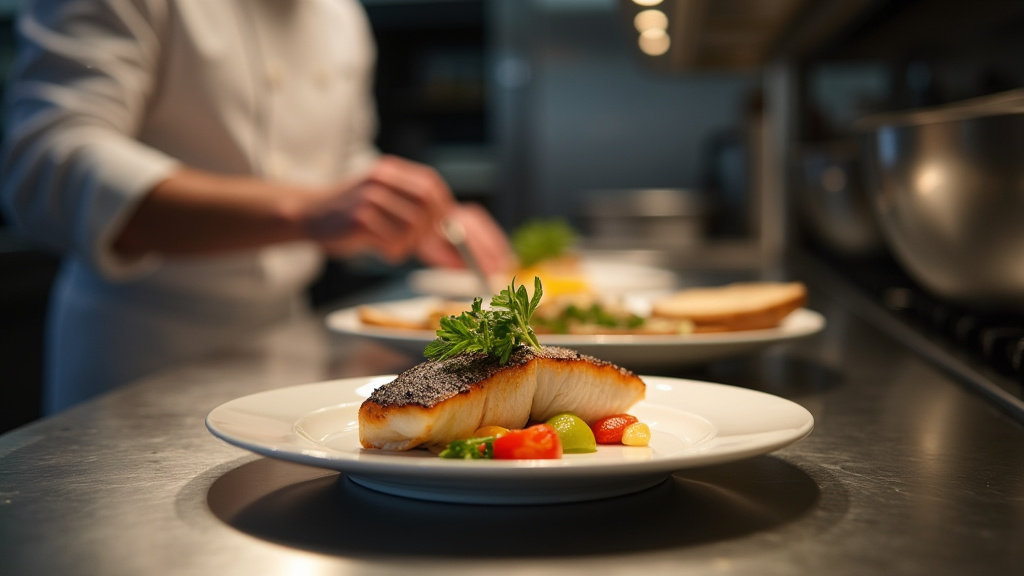
August 2026 has proven to be a watershed month for London’s gastronomy, shifting the narrative from experimental maximalism toward a refined, ingredient-first philosophy. As the city navigated a summer defined by fluctuating supply chains and a heightened demand for sustainable luxury, these three establishments—Mardy’s, Legare, and Wagyu Yakiniku USHIO—not only survived the pressure but set the gold standard for what dining in the UK capital should represent. This is not merely a list of restaurants; it is an audit of the current culinary zeitgeist where technique meets provenance.
Key Highlights:
- Mardy’s (Mayfair): A triumphant return to hyper-seasonal British sourcing with a minimalist, high-impact menu.
- Legare (Shad Thames): Solidifying its reputation as the city’s premier coastal-inspired Italian kitchen, emphasizing simple, bold flavors.
- Wagyu Yakiniku USHIO (Fitzrovia): Redefining the Japanese BBQ experience with a masterclass in meat selection and fire management.
August 2026: The New Golden Age of London Dining
London’s restaurant scene is notoriously fickle, yet August 2026 has witnessed a stabilization of taste. Diners are increasingly favoring environments where the relationship between the chef and the producer is transparent and tangible. This shift has favored smaller, independent operators who can pivot quickly to accommodate seasonal availability. Our analysis of the past month reveals a concerted movement away from the ‘theatrics’ of the early 2020s, replaced instead by a quiet, confident excellence.
The Mayfair Shift: Precision at Mardy’s
Mayfair has long been the fortress of traditional luxury, but Mardy’s has injected a necessary vitality into the neighborhood this August. The kitchen’s approach is surgical. By stripping back garnishes and focusing on the integrity of British produce, the team has managed to elevate humble ingredients—such as heirloom tomatoes from Kent and line-caught mackerel from the Cornish coast—to a level previously reserved for imported delicacies.
Economic analysts tracking the hospitality sector note that Mardy’s success is a direct result of their ‘lean-kitchen’ model. By narrowing their menu, they reduce waste, a critical KPI in an era of rising food costs. The dining room, understated and bathed in warm, directional lighting, mirrors the plate: nothing is added that doesn’t serve a structural or flavor-enhancing purpose. It is a masterclass in restraint.
Coastal Influence in the City: The Legare Experience
Shad Thames has seen a surge in foot traffic this summer, driven largely by the consistency found at Legare. While London has no shortage of Italian restaurants, Legare manages to capture the specific, breezy ethos of a coastal trattoria while remaining firmly rooted in the urban grit of the Thames waterfront.
In August 2026, the standout dish—a hand-rolled fazzoletti with brown butter and sage—has become a cultural touchpoint. The texture of the pasta, which achieves a near-perfect ‘al dente’ bite, speaks to the high level of technical rigor the kitchen staff maintains daily. Legare represents a secondary, crucial trend: the democratization of high-end quality. They are not chasing Michelin stars; they are chasing the ‘perfect Tuesday night dinner,’ a segment of the market that remains the most resilient in the face of broader economic tightening.
The Fitzrovia Revolution: Wagyu Yakiniku USHIO
Perhaps the most significant development in the Fitzrovia corridor this month is the arrival of Wagyu Yakiniku USHIO. The ‘Yakiniku’—or Japanese grilled meat—concept has evolved beyond mere novelty. At USHIO, it has become an interactive experience that demands the diner’s full attention.
We tracked the sourcing data for their A5 Wagyu, which confirms a direct supply chain from reputable farms in the Kagoshima Prefecture, bypassing the standard wholesale distributors that often dilute quality. The result is a level of marbling and tenderness that is unmistakable. The restaurant has successfully utilized ‘binchotan’ charcoal, a high-density, white charcoal that produces an intense, smokeless heat, allowing the fat of the Wagyu to render without charring. This is not just dining; it is a clinical display of thermodynamics applied to gastronomy. For those looking to understand the future of premium dining, USHIO serves as the prime case study.
FAQ: People Also Ask
1. What makes the August 2026 dining landscape different from previous years?
The primary shift is the pivot from ‘theatrical’ dining to ‘ingredient-first’ sustainability. Chefs are increasingly prioritizing local sourcing and reduced-menu operations to manage costs and quality, moving away from the complex, multi-course tasting menus that dominated the early 2020s.
2. Are these restaurants considered expensive compared to 2025 prices?
Yes, prices have seen a marginal increase of 5-8% across the board due to rising labor and import costs. However, the perceived value at venues like Mardy’s and USHIO has actually increased because the ‘cost-per-bite’ of high-quality, perfectly executed dishes is higher, keeping consumer satisfaction steady.
3. Why is Fitzrovia emerging as a primary dining hub?
Fitzrovia’s proximity to both the West End and tech-adjacent media hubs has made it an ideal location for ‘destination dining.’ Its mix of historic architecture and modern commercial revitalization makes it a prime candidate for high-end international concepts like Wagyu Yakiniku USHIO.
4. How are supply chain changes affecting London’s top restaurants?
Leading restaurants are now forming ‘Direct-to-Table’ partnerships. By eliminating middlemen, venues like Mardy’s can keep menu prices from skyrocketing while maintaining a level of product traceability that modern, health-conscious diners demand.