London’s final bank holiday weekend of the summer, running from August 28 to August 31, 2026, serves as the city’s grand farewell to the season. As the mercury settles and the city braces for an influx of over two million attendees, the capital transforms into a theater of music, history, and street-level spectacle. For locals and tourists alike, navigating this period requires a strategic approach to avoid the crowds while capitalizing on the best free experiences the city has to offer. Whether you are looking for the pulsating rhythm of the Notting Hill Carnival or the contemplative quiet of world-class museums, the weekend offers a unique window into London’s diverse cultural fabric.
The Notting Hill Carnival: A Cultural Titan
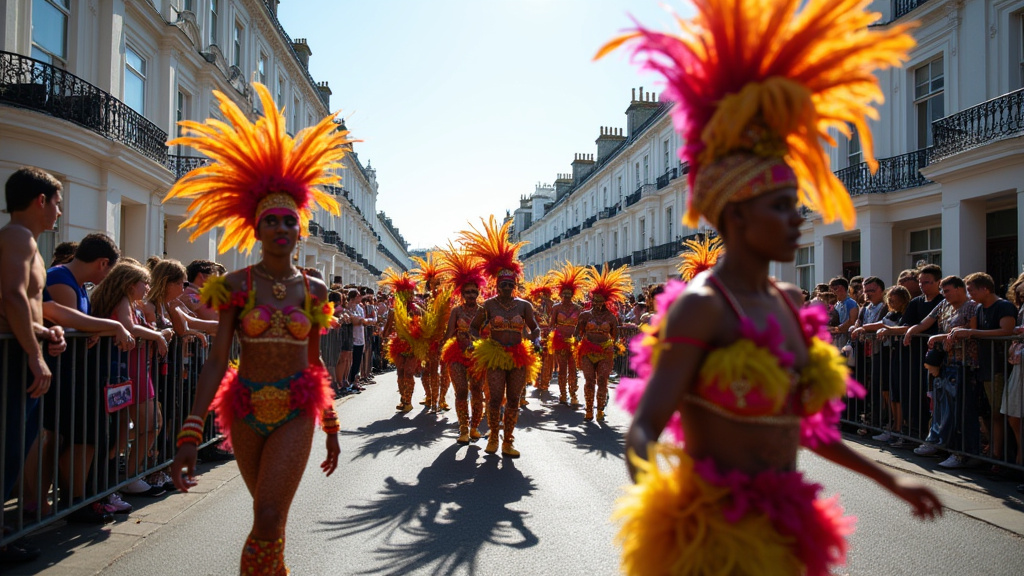
There is no mention of London’s August Bank Holiday without centering on the Notting Hill Carnival. Beginning on August 28, 2026, this event is not merely a festival; it is a monumental fixture in the global cultural calendar. Spanning the W11 district, the Carnival draws over two million people, making it one of the largest street festivals in the world.
For those attending, the experience is defined by the sheer sensory overload: the smell of Caribbean food, the reverberation of bass from the sound systems, and the visual kaleidoscope of costumes. The event, which traces its roots back to the 1960s, remains a testament to the Afro-Caribbean community’s influence on British culture. Attendees should prioritize arriving early—ideally before 10:00 AM on Sunday or Monday—to navigate the W11 streets before the densest throngs arrive. Remember, while the event is free, the logistics are intense; local transport hubs like Ladbroke Grove and Notting Hill Gate often experience heavy diversions. Plan your route accordingly, and prioritize walking from further-out stations to avoid congestion.
Greenwich+Docklands International Festival (GDIF)
While Notting Hill dominates the headlines, the Greenwich+Docklands International Festival (GDIF) provides a sophisticated, often free alternative that leans into public art and avant-garde performance. Scheduled to coincide with the bank holiday window, GDIF transforms urban spaces in East and South East London into open-air stages.
This year’s programming focuses on accessibility and inclusivity, with many performances occurring in accessible public parks and dockside areas. Unlike the high-octane energy of Carnival, GDIF offers a more reflective, artistic experience. It is an ideal secondary angle for those who want to experience the artistic pulse of the city without the crushing density of Notting Hill. Check the official schedule for street theater, dance, and immersive art installations that often go unlisted in major tourist guides.
Historical Immersion: The British Museum and IWM
London’s museum culture remains one of its most potent resources, and over the bank holiday weekend, many of the major institutions offer free general entry. The British Museum, while requiring booking for some specific exhibitions, provides free access to its permanent collections, offering an escape into global history.
Similarly, the Imperial War Museum (IWM) provides a sobering and essential look at conflict through the lens of those who lived it. During the bank holiday, these institutions serve as ‘cultural sanctuaries’—spaces where the temperature is controlled, the crowds are managed, and the pace is slower. Visiting on the bank holiday Monday can sometimes be quieter than the weekend days, as many tourists are focused on the outdoor parades. These spaces provide a distinct counter-narrative to the street-level frenzy, allowing for a balanced weekend itinerary.
Sky Garden: The Free View
For those seeking a vantage point over the city, the Sky Garden remains the premier free option. Located at 20 Fenchurch Street, it offers panoramic views of the London skyline. While entry is free, the ‘tickets’ are essentially reservations that must be booked well in advance—often weeks before the bank holiday. For the weekend of August 28-31, 2026, the strategy should be to check the website frequently for last-minute cancellations. Watching the sunset over the Thames from this elevation, without the price tag of The Shard, remains one of the smartest ‘hacks’ for an affordable, high-end London experience.
Secondary Angles: Economic Impact and Logistics
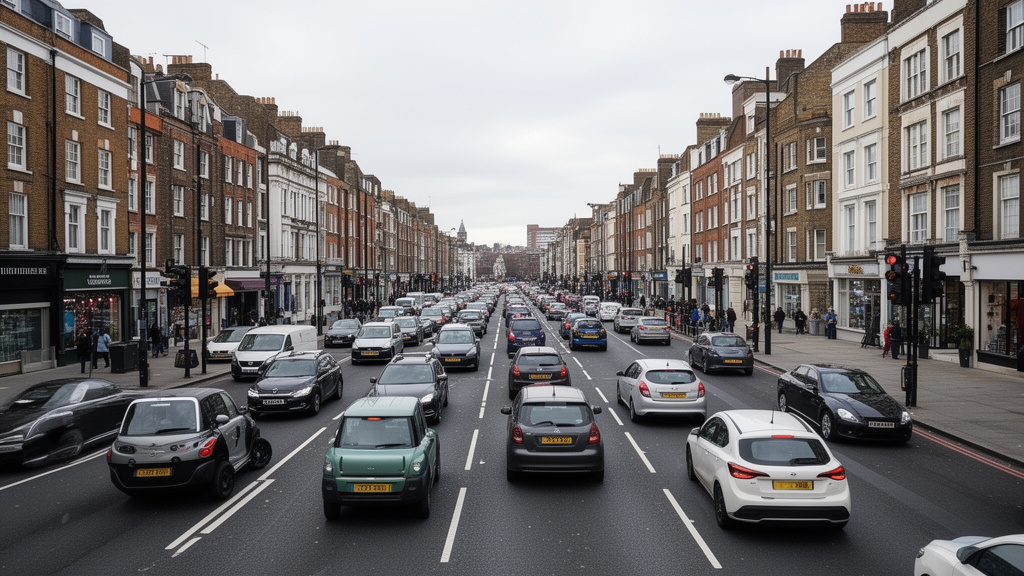
The economic footprint of this weekend is staggering. With two million people descending on W11 for the Notting Hill Carnival alone, the impact on local retail and hospitality is transformative. Small businesses in the area see a year’s worth of foot traffic in two days. However, this also poses a challenge for sustainability and clean-up. As a traveler, participating in the ‘leave no trace’ philosophy is vital to ensuring the long-term viability of these free public events. Furthermore, the reliance on Transport for London (TfL) during these dates cannot be overstated; service adjustments are standard, and commuters should prepare for significant delays. Using the ‘TfL Go’ app to track live bus diversions is essential for navigating the road closures surrounding the Carnival route.
Future Predictions: The Evolution of London Festivals
Looking toward future bank holidays, the trend is moving toward ‘hybrid’ events—digital and physical. We are seeing more QR-code-led interactive tours and AR (Augmented Reality) installations within festivals like GDIF. For the 2026 bank holiday, expect to see more tech-integrated navigation tools to help manage the crowd density. The challenge for organizers will be balancing the traditional, organic nature of the Carnival with the need for modern crowd management technology, a dynamic that will shape how these events look by 2030.
FAQ: People Also Ask
1. Is the Notting Hill Carnival free to attend?
Yes, the Notting Hill Carnival is a public street event and remains free for all attendees. However, certain sound systems or private after-parties may charge for entry or restricted access areas.
2. What transport advice is essential for the Bank Holiday?
Expect significant disruption to the London Underground and bus networks. Many stations in the W11 area, specifically Notting Hill Gate, Ladbroke Grove, and Holland Park, will be subject to exit-only or closure protocols to manage crowd flow. Always check the TfL website 24 hours prior to travel.
3. Do I need to book the British Museum in advance?
While general admission is free, the British Museum strongly encourages booking a timed entry slot online to guarantee admission, especially during peak holiday periods like the August Bank Holiday. Booking online is the only way to avoid potential queues.
4. Are there quiet areas during the Notting Hill Carnival?
Notting Hill is extremely loud and crowded during the Carnival. If you seek quiet, it is best to avoid the W11 area entirely on Sunday and Monday. Instead, focus on institutional spaces like museums in Central London or parks in East London, which generally remain unaffected by the festival’s noise levels.