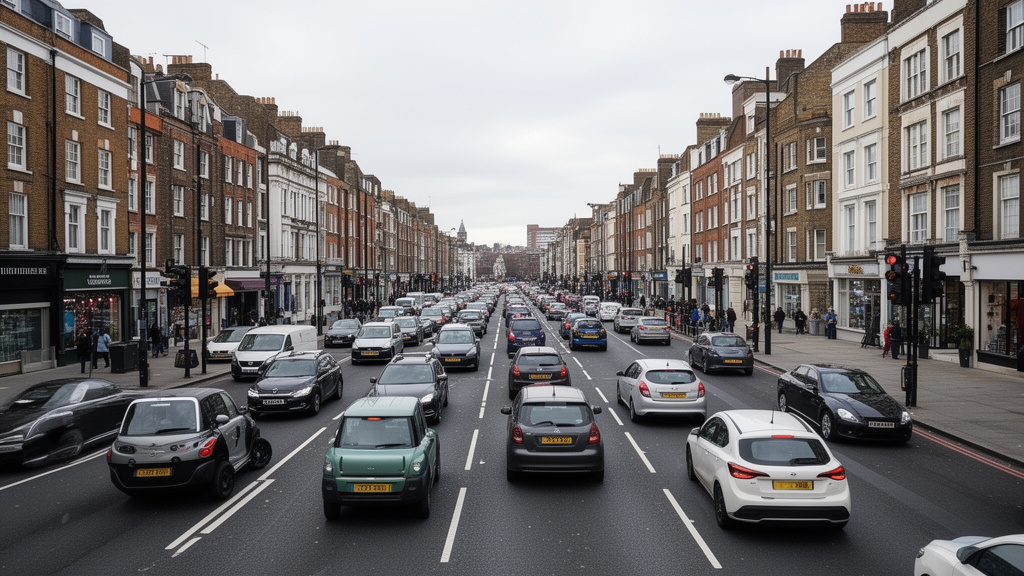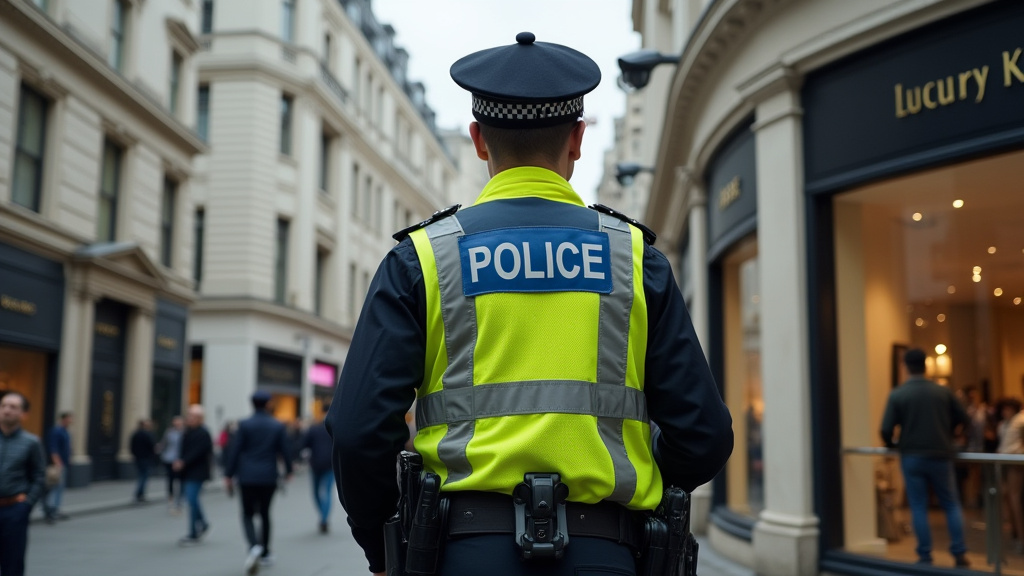
City of London Police have launched a significant enforcement operation targeting retail crime in the Square Mile, resulting in five individuals being charged following a targeted crackdown on October 7, 2026. This intensification comes amidst ongoing efforts to curb the rising tide of shoplifting and high-value bag theft within London’s historic financial district, a zone that presents unique security challenges due to its extreme population density during working hours and its status as a global hub for luxury retail.
Key Highlights
- Five individuals were officially charged following a coordinated intensification operation conducted on October 7, 2026.
- The operation specifically targeted retail theft, including shoplifting and bag-snatching, within the Square Mile.
- The City of London Police utilized high-visibility patrols combined with intelligence-led surveillance to identify repeat offenders.
- This action is part of a broader, sustained effort to lower crime rates in London’s primary business district.
- Local businesses and stakeholders are working in closer partnership with law enforcement to implement the Retail Crime Action Plan.
The Strategic Pivot: Policing the Square Mile
The operation conducted on October 7, 2026, marks a pivotal moment in how the City of London Police manages public safety in the capital’s most dense financial artery. Unlike residential boroughs, the Square Mile—home to the Bank of England, the London Stock Exchange, and an array of high-end retail establishments—experiences a massive influx of commuters and tourists daily, creating a fertile environment for opportunistic crime.
Historically, the City has utilized a blend of extensive CCTV coverage and specialized local policing to maintain order. However, the surge in shoplifting nationwide, characterized by a mix of organized groups and impulsive opportunists, has necessitated a shift in tactics. The October 7 operation was not merely a random patrol; it was a targeted tactical intervention. By analyzing crime “heat maps” and focusing on peak footfall hours, the City of London Police were able to deploy personnel to areas where the probability of both shoplifting and bag theft incidents is statistically highest.
Intelligence-Led Enforcement
The efficacy of this recent crackdown underscores the move toward intelligence-led policing. The five individuals charged were not arrested solely by chance. Instead, the operation leveraged data-sharing partnerships with local retail security teams, many of whom utilize sophisticated facial recognition and alert systems to identify known offenders before they even enter a premises. The police operation integrated this real-time data to deploy officers strategically, creating a “closed loop” of surveillance and response that is significantly faster than traditional 999 response times.
Addressing the Retail Crime Epidemic
Retail crime in London has seen a notable shift in character. Where once it might have been confined to petty theft, the modern “retail crime epidemic” often involves organized “smash and grab” teams or persistent shoplifters targeting luxury goods that can be easily liquidated. The City of London Police have recognized that failing to address these smaller, frequent crimes emboldens offenders and creates an atmosphere of lawlessness that can affect the wider business climate. By focusing resources on these specific theft categories, the force aims to signal to potential perpetrators that the Square Mile is a high-risk environment for criminal activity.
Economic and Social Impacts of Urban Theft
The economic impact of retail theft in a district like the City of London extends far beyond the monetary value of stolen goods. For local retailers, the cost of constant shrinkage—the loss of inventory due to theft—erodes profit margins and forces businesses to invest heavily in security measures, often passing these costs on to consumers. Furthermore, the psychological impact on shop staff, who are frequently the targets of abuse or intimidation during these thefts, cannot be overstated.
When police forces like those in the City of London execute a targeted crackdown, they are also providing a form of “economic protectionism.” By suppressing crime, they ensure that the district remains an attractive destination for high-end commerce, tourism, and business. A safe environment is a prerequisite for a thriving financial hub. The charges brought against the five individuals on October 7 serve as a deterrent, but they also highlight a growing trend where police and business owners are collaborating to harden targets against crime.
The Role of Technology and Surveillance
The City of London is arguably one of the most monitored environments in the world. This technological infrastructure acts as a “force multiplier” for the police. For this specific operation, the coordination between the Control Room and ground officers was critical. High-definition camera feeds provided the situational awareness required to track suspects through crowded pedestrian walkways, allowing officers to intercept them before they could exit the area or dispose of stolen property. This technical integration is the future of urban policing: a seamless blend of human officer instinct and automated data processing.
Future Outlook: What Comes Next?
As London moves deeper into the late 2026 calendar, the City of London Police have indicated that this operation is part of a continuing, proactive stance. The judicial outcomes for the five charged individuals will be monitored closely. If the court system processes these cases efficiently, it will send a strong message regarding the consequences of retail theft. Additionally, the force is expected to expand its partnerships with local Business Improvement Districts (BIDs) to further streamline the reporting of crimes. The goal is a persistent presence—one that discourages crime before it happens rather than simply responding to it.
FAQ: People Also Ask
1. What was the focus of the City of London Police operation on October 7, 2026?
The operation was specifically designed to tackle an increase in retail crime, specifically targeting shoplifting and bag theft within the Square Mile, resulting in five individuals being charged.
2. Why is the Square Mile a high-priority area for this type of crime?
Due to the high concentration of financial institutions, tourists, and luxury retail stores, the area attracts large volumes of people. This population density, combined with the presence of high-value goods, makes the district a target for opportunistic thieves and organized shoplifting groups.
3. How does the police force identify suspects in such a busy area?
The City of London Police utilize an integrated approach, combining intelligence-led policing, extensive CCTV network coverage, and close partnerships with local retail security teams to identify and intercept offenders.
4. Are there broader initiatives involved in this crackdown?
Yes, the operation aligns with national efforts, including the Retail Crime Action Plan, which seeks to improve the police response to shop theft, support business owners, and reduce the frequency of repeat offenses.