Sagal Abdi-Wali has secured a decisive victory for the Labour Party in the Holborn and St. Pancras special election, dealing a significant blow to Green Party leader Zack Polanski and intensifying internal scrutiny over the party’s strategic direction. The result marks a pivotal moment in London’s political landscape, demonstrating the enduring strength of Labour in the constituency while exposing vulnerabilities in the Green Party’s current leadership and campaign approach.
Key Highlights
- Labour candidate Sagal Abdi-Wali clinches the Holborn and St. Pancras seat, solidifying the party’s dominance in the region.
- The defeat of Green Party leader Zack Polanski has triggered immediate discussions regarding the party’s long-term leadership efficacy and election strategy.
- This special election result signals a potential shift in voter sentiment, with Labour successfully defending its turf against a high-profile challenger.
- Internal pressure is mounting within the Green Party to re-evaluate its platform and communication tactics following the unexpected margin of defeat.
Shifting Sands: The Impact of the Holborn Result
The Holborn and St. Pancras constituency has long been regarded as a bellwether for broader trends in London politics, often reflecting the tension between established party machines and emerging grassroots movements. The victory of Sagal Abdi-Wali is not merely a numerical win; it is a profound statement of voter confidence in the Labour Party’s current policy platform. By defeating a political figure of Zack Polanski’s stature, Abdi-Wali has effectively neutralized, at least temporarily, the momentum the Green Party hoped to carry into future municipal cycles.
The Mechanics of the Labour Campaign
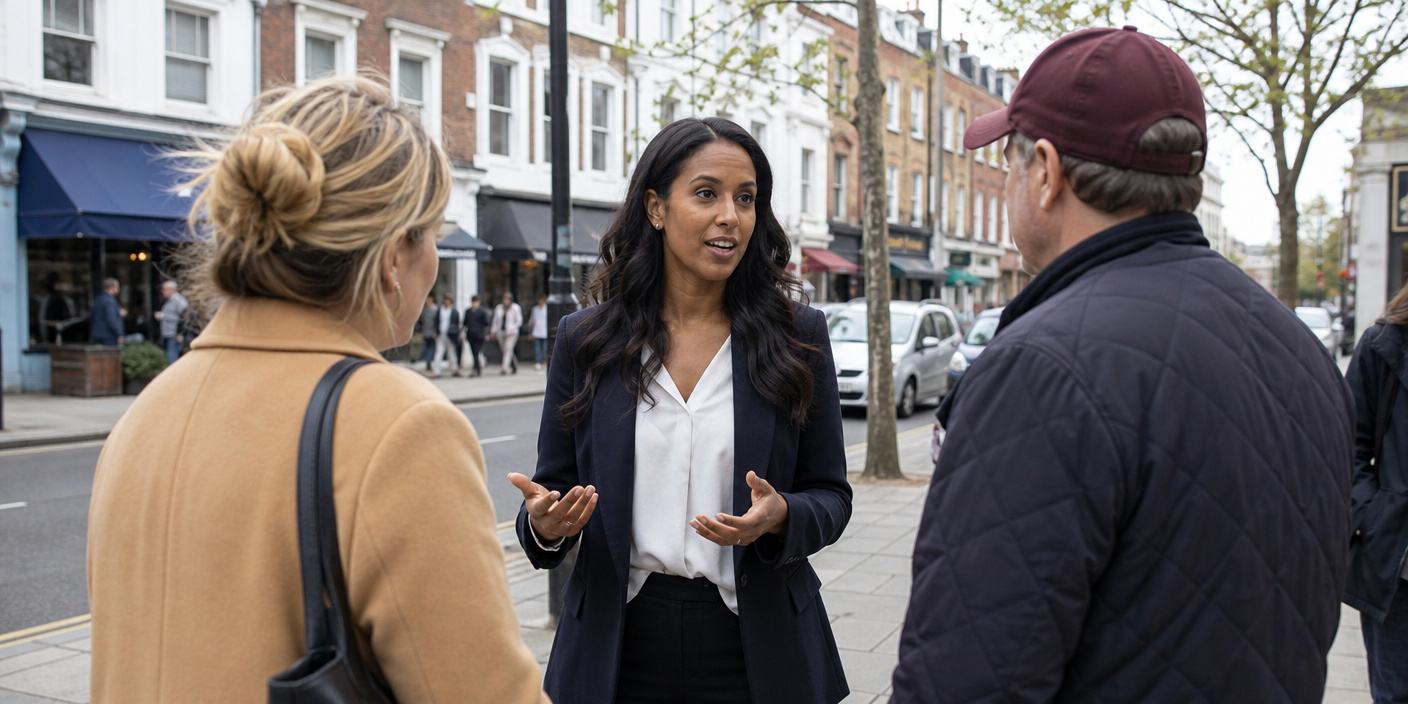
Abdi-Wali’s campaign was marked by a laser-focus on local issues that resonate deeply with the Holborn and St. Pancras demographic—specifically, the cost-of-living crisis, localized housing shortages, and the modernization of public transit infrastructure. Unlike the broader, more abstract appeals often made by smaller parties, the Labour campaign team utilized ground-level data to target specific neighborhoods, ensuring that voter turnout remained high throughout the special election. The strategy relied heavily on direct constituent engagement, a move that proved successful in converting undecided voters who might have otherwise gravitated toward the Green Party’s climate-centric messaging.
Challenges for the Green Party Leadership
The loss for Zack Polanski is particularly stinging. As the leader of the Green Party, Polanski’s personal involvement in the race was intended to serve as a catalyst for a larger national movement. Instead, the loss now forces the party to contend with questions about whether their platform is too niche or whether their leadership style is failing to capture the pragmatic concerns of urban voters.
Political analysts are already speculating on the fallout within the Green Party. For a leader who has sought to position the party as a viable alternative to the traditional duopoly, the inability to win or even closely contest a high-profile London constituency is a setback that cannot be easily dismissed. The pressure to recalibrate—or perhaps even replace—leadership is now an active component of the internal party discourse.
The Broader Implications for London Politics
This special election serves as a microcosm of the challenges facing minor parties in the United Kingdom. While the Green Party has gained traction in various local council elections, the Holborn and St. Pancras result highlights the difficulty of translating that regional success into a broader, district-wide victory. The Labour Party, conversely, has demonstrated that it can adapt its messaging to fend off challenges from the left, effectively protecting its core base while appealing to middle-ground voters concerned with economic stability.
Future Outlook and Strategic Shifts
Moving forward, both parties must look at this election as a mandate for change. Labour must decide whether to continue its current trajectory or if this win emboldens a more aggressive, left-leaning policy agenda. For the Green Party, the path is more difficult. They must decide whether to deepen their commitment to existing messaging or pivot toward a more populist economic approach to broaden their appeal.
Furthermore, the result raises questions about the future of political alliances in London. Could this loss push the Green Party closer to potential coalition building, or will it foster a more isolationist, combative stance? The next few months will be critical as both organizations prepare for the next round of general elections. The political map of London is rarely static, and if the Holborn and St. Pancras result is any indication, the upcoming campaigns will be as hard-fought and unpredictable as the one that has just concluded.
FAQ: People Also Ask
Who won the Holborn and St. Pancras special election?
Sagal Abdi-Wali of the Labour Party was declared the winner, successfully defeating the Green Party candidate.
Why is this result significant for the Green Party?
The defeat of their leader, Zack Polanski, in a high-profile constituency has triggered internal pressure and questions regarding the party’s leadership efficacy and campaign strategy.
How does this result affect Labour’s standing in London?
The victory reinforces Labour’s dominance in the Holborn and St. Pancras area and demonstrates their ability to effectively defend their seats against high-profile challengers.
What were the key issues that influenced this election?
Local issues, specifically the cost-of-living crisis, urban housing shortages, and transit infrastructure, were identified as the primary drivers for voter sentiment throughout the campaign.