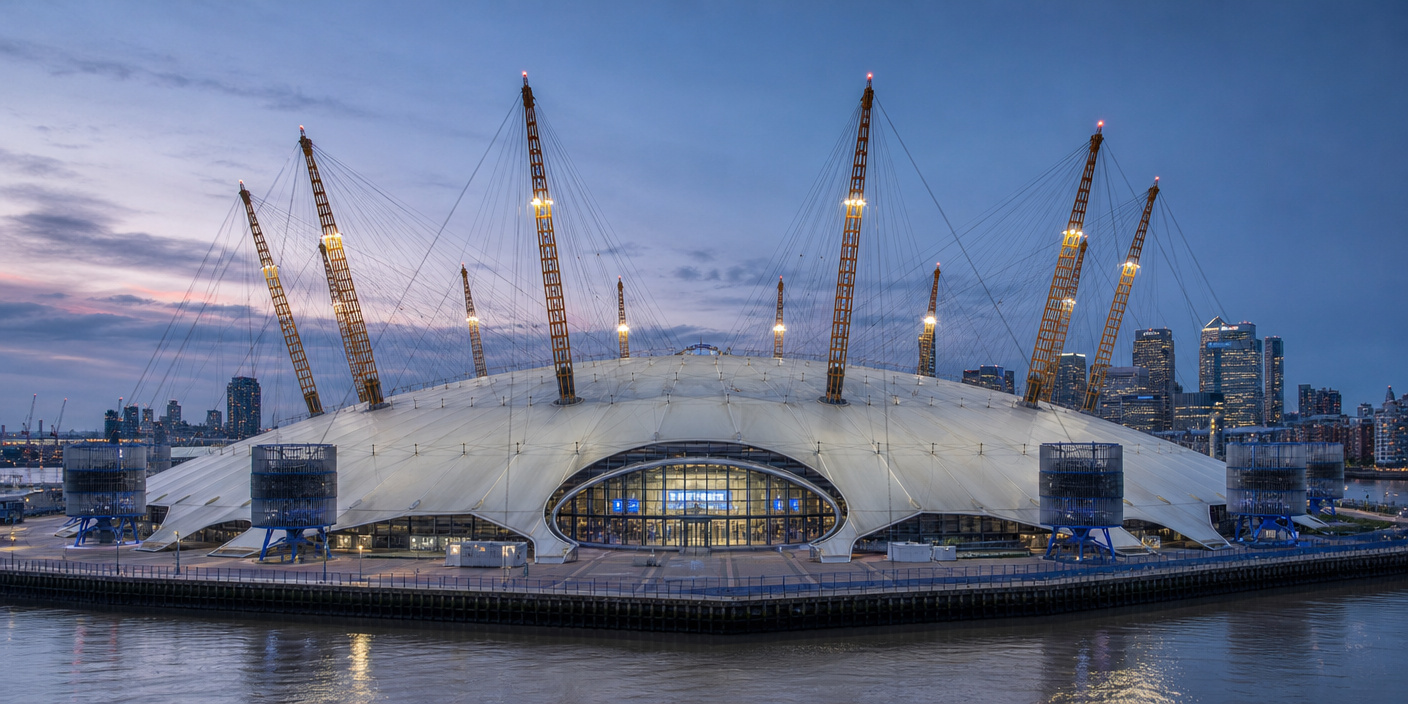
Don Toliver has officially postponed his scheduled performance at London’s O2 Arena following a distressing incident at his recent Manchester gig. The concert, which took place at the O2 Apollo, was abruptly halted after reports emerged of an unknown substance circulating in the crowd, causing significant respiratory issues among attendees. As health officials and venue security continue to investigate the nature of the substance and the circumstances surrounding the evacuation, the artist has opted to prioritize the safety of his fans and crew by moving his London date. The show has been rescheduled for December 15, allowing necessary time for venue coordination and logistical adjustments.
Key Highlights
- Manchester Incident: The O2 Apollo concert was evacuated after fans reported respiratory distress caused by an unidentified airborne substance.
- London Rescheduling: The London O2 Arena show has been pushed to December 15 to ensure proper safety measures and logistical preparation.
- Safety Protocol: Venue management and the artist’s team are conducting a full review of crowd safety following the chaotic events in Manchester.
- Ticket Validity: Fans are advised that original tickets remain valid for the new December 15 date, with further instructions expected via ticketing platforms.
Navigating Crisis: The Logistics of Tour Postponements and Venue Safety
The decision to postpone a headline show of this magnitude—especially at a venue as significant as The O2 Arena—is rarely taken lightly. The postponement of Don Toliver’s London show represents a intersection of artist liability, venue security protocols, and the complex logistical requirements of international touring. This incident has reignited critical conversations regarding crowd safety at large-scale music events in the United Kingdom.
The Manchester Emergency: What Happened at the O2 Apollo
The evacuation of the O2 Apollo was not merely a precautionary measure but a response to an active medical emergency. Reports indicate that multiple attendees experienced sudden respiratory distress, leading to panic and a subsequent clearance of the venue. Emergency services were deployed to the scene to treat those affected. While the specific nature of the substance remains under investigation by local authorities, the rapid onset of symptoms across a crowded floor is a primary concern. The event serves as a stark reminder of the vulnerabilities inherent in tightly packed concert environments, where the introduction of any foreign irritant can lead to mass casualty-style triage situations.
Rescheduling the O2 Arena: A Massive Undertaking
Moving an O2 Arena date is a herculean logistical task. The O2 is one of the world’s busiest concert venues, booked months, if not years, in advance. Securing a new date—December 15—is a testament to the urgency with which the artist’s management and Live Nation (or the respective concert promoters) treated the situation. This shift involves re-contracting technical crews, adjusting travel arrangements for a multi-city tour, and managing the communication flow to thousands of ticket holders. When an artist reschedules, they are not just changing a date; they are navigating a dense network of vendor agreements, sound and light rig availability, and local council licensing requirements.
The Domino Effect on Tour Insurance and Liability
Behind the scenes, incidents like the one in Manchester trigger massive insurance and liability reviews. Concert promoters and artists carry specialized insurance policies that cover ‘Force Majeure’ events and venue-specific liabilities. When an evacuation occurs due to a third-party action—such as the release of an unknown substance—it creates a complex legal landscape. Who is responsible for the breach in security? Was the venue’s ventilation or crowd management adequate? These questions delay the resumption of tours, as legal counsel must ensure that the subsequent venue—the O2 Arena—has reinforced its security perimeter to prevent a repeat incident. The postponement is as much a security ‘cooling-off’ period as it is a logistical necessity.
Concert Safety Protocols in the UK
The UK has some of the most rigorous concert safety standards globally, governed by the ‘Purple Guide’ to health, safety, and welfare at music and outdoor events. However, the introduction of unknown chemical irritants poses a unique challenge that traditional crowd control and security checks are often not equipped to handle. Expect to see a shift in venue policy following this, potentially including heightened bag searches, more advanced chemical detection at entry points, and more frequent environmental monitoring during high-density shows. The industry is currently facing a reckoning regarding how to protect audiences from non-traditional threats while maintaining the high-energy, immersive experience that fans expect from artists like Don Toliver.
FAQ: People Also Ask
Q: What should I do with my original ticket for the London show?
A: According to the official announcement, all original tickets for the London O2 Arena show will remain valid for the new date of December 15. You do not need to take any action, but it is recommended to keep an eye on your email for any specific updates from the point of purchase (e.g., Ticketmaster or AXS).
Q: Is it safe to attend the rescheduled Don Toliver concert?
A: Security measures at major venues like the O2 Arena are typically reviewed and heightened following any security-related incident at a previous tour stop. Organizers are working closely with local authorities to ensure all safety protocols are up to standard before the rescheduled show takes place.
Q: Has there been an update on the investigation into the Manchester incident?
A: As of the latest update, authorities are continuing to investigate the unknown substance found at the O2 Apollo. No arrests have been publicly confirmed as the primary cause, and fans are encouraged to monitor local Greater Manchester Police updates for official findings.
Q: Will the December 15 show have additional security?
A: While specific security details are rarely disclosed for operational reasons, it is industry standard for venues to implement bolstered security presence and stricter entry requirements following incidents of this nature to ensure fan safety.