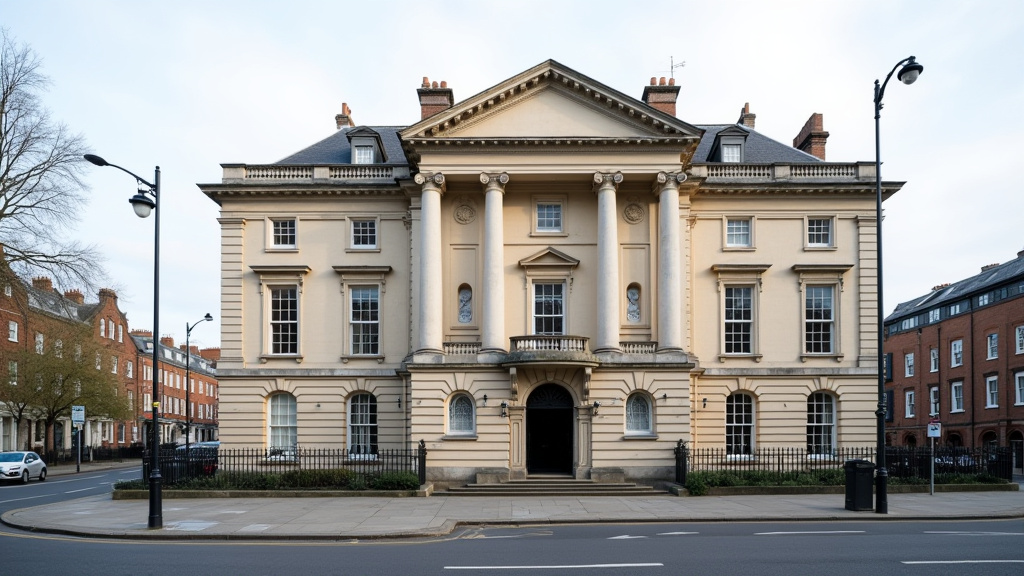
Sagal Abdi-Wali has secured a decisive victory for the Labour Party in the high-stakes Holborn and St Pancras by-election, successfully defending the seat previously held by former Prime Minister Keir Starmer. In a contest that was widely viewed as a test of Labour’s hold on its urban strongholds, Abdi-Wali garnered 45% of the vote, effectively fending off a significant challenge from Green Party leader Zack Polanski, who managed to capture 33% of the vote. The result cements a pivotal victory for the incumbent government, signaling the party’s continued dominance in this central London constituency despite an increasingly competitive political landscape.
Key Highlights:
- Sagal Abdi-Wali (Labour) won the Holborn and St Pancras seat with 45% of the total vote.
- Zack Polanski (Green Party) finished as the runner-up with a notable 33% share, highlighting a growing Green presence.
- The election was triggered by the vacancy of the seat formerly held by former Prime Minister Keir Starmer, making the result highly symbolic for the Labour Party.
- Voter turnout remained robust, reflecting the national interest in this high-profile by-election contest.
The Strategic Importance of the Holborn and St Pancras Mandate
The Holborn and St Pancras constituency has long been considered a bedrock of Labour support, serving as a bastion of the party’s political identity within the capital. When the seat became vacant following the departure of former Prime Minister Keir Starmer, the by-election naturally attracted immense national scrutiny. The primary challenge for Sagal Abdi-Wali was twofold: first, she needed to consolidate the existing Labour base; second, she had to navigate the political vacuum left by a leader whose brand is inextricably linked to the constituency’s recent history.
Analyzing the 12-Point Margin
Abdi-Wali’s victory, defined by a 12-point margin over the Green Party, offers a nuanced look at the current electoral map. While 45% is a strong performance in a multi-party system, the 33% secured by Zack Polanski is impossible to ignore. This gap suggests that while Labour maintains a structural advantage, the electorate in Holborn and St Pancras is increasingly willing to look toward alternative progressive platforms. The Green Party’s strong showing indicates that environmental policy and social housing concerns are driving voter behavior in urban centers, forcing Labour to constantly refine its localized policy initiatives.
The Green Party Surge and Urban Politics
Zack Polanski’s performance as the Green Party leader has undoubtedly signaled a shift in the local political dynamic. By securing a third of the vote, Polanski transformed the contest into a genuine two-horse race, disrupting the traditional Labour-Conservative dynamic that historically characterized many London seats. For political analysts, this result underscores a broader trend: the fragmentation of the traditional two-party system in major metropolitan areas, where voters are demonstrating a higher propensity to vote based on single-issue advocacy or specific ideological alignment rather than party loyalty alone.
Future Implications for the Labour Party
This victory provides a necessary morale boost for Labour, affirming that their core voter coalitions remain largely intact even in the post-Starmer era. However, the result is not without its warnings. The governing party must now address the concerns raised by the voters who pivoted toward the Green Party. This includes addressing the cost-of-living crisis, the shortage of affordable housing in central London, and the demand for more aggressive climate action—issues that Polanski championed throughout his campaign.
Succession and Continuity
Sagal Abdi-Wali now steps into a role shaped by one of the most significant figures in modern Labour history. The pressure to deliver on the promises made by the party in this constituency will be immense. The by-election was not merely a contest of candidates; it was a referendum on the legacy of the previous administration. Abdi-Wali’s ability to retain 45% of the vote suggests that, for now, the electorate approves of the trajectory set by the Labour government. Yet, maintaining this momentum will require a strategic pivot toward local engagement that transcends the national party line.
Voter Turnout and Engagement
Turnout figures for this by-election were unexpectedly high, which typically favors the established political machine. Both Labour and the Green Party invested heavily in ground operations, with door-to-door canvassing playing a critical role in the final weeks. The result serves as a reminder that even in safe seats, voter engagement is crucial. Labour’s ability to mobilize its base during this cycle was a testament to the organizational capability of their local branch, a factor that will be essential for the party as it approaches future regional and national elections.
FAQ: People Also Ask
1. Why was this by-election considered so high-profile?
This by-election was significant because the seat was previously occupied by former Prime Minister Keir Starmer. Retaining a seat formerly held by a party leader is critical for demonstrating organizational strength and maintaining political narrative control.
2. What does Zack Polanski’s 33% vote share signify?
Polanski’s strong performance indicates a significant shift in urban voting patterns. It suggests that the Green Party is becoming a primary vehicle for progressive voters who may feel that the Labour Party is too centrist on specific issues like climate change and economic equity.
3. How does this result impact the current government?
It provides stability. Winning the seat ensures the Labour Party retains its voting bloc in Parliament, preventing any immediate threat to its legislative agenda in the wake of the leadership transition.
4. What are the key issues that defined this campaign?
Beyond the national party politics, campaigns focused heavily on local infrastructure, the availability of public services in St Pancras, and housing affordability, which remain the top priorities for residents in this densely populated area.