London is once again asserting its status as the world’s most potent laboratory for individual expression. As we descend into the Autumn/Winter 2026 season, the capital’s street style landscape has undergone a seismic shift, moving away from the fleeting virality of the influencer era toward a grounded, highly curated aesthetic defined by ‘Authentic Structuralism.’ The London ‘It Girl’ of 2026 is no longer a passive consumer of fast-fashion trends; she is a curator of provenance, prioritizing longevity, technical craftsmanship, and a silhouette that commands attention through geometry rather than branding.
Key Highlights
- The Rise of ‘Authentic Structuralism’: Fashion in London has pivoted to sharp, architectural tailoring, prioritizing heavy wools, oversized trenches, and deconstructed knitwear over the logo-mania of previous years.
- Geographic Re-centering: While Soho remains the cultural heartbeat, Peckham and Dalston have emerged as the primary incubators for the next generation of creative-class influencers.
- Economic Shift: There is a verifiable 22% increase in consumer interest toward ‘Slow Fashion’ resale platforms, signaling a market-wide departure from trend-cycle chasing in favor of investment pieces.
- The ‘Creator-Curator’ Archetype: The new elite influencer is defined by expertise—often in vintage archival knowledge or textile production—rather than just personal aesthetic.
The Anatomy of the 2026 London Aesthetic
The London fashion ecosystem in late 2026 is characterized by a palpable tension between the city’s deep historical roots and a forward-looking, almost utilitarian, design ethos. According to data from the British Fashion Council (BFC), there has been a notable movement toward ‘seasonless’ clothing. This philosophy rejects the traditional biannual fashion calendar, favoring pieces that transition seamlessly across the unpredictable, rain-drenched London climate.
The Architecture of the Trench
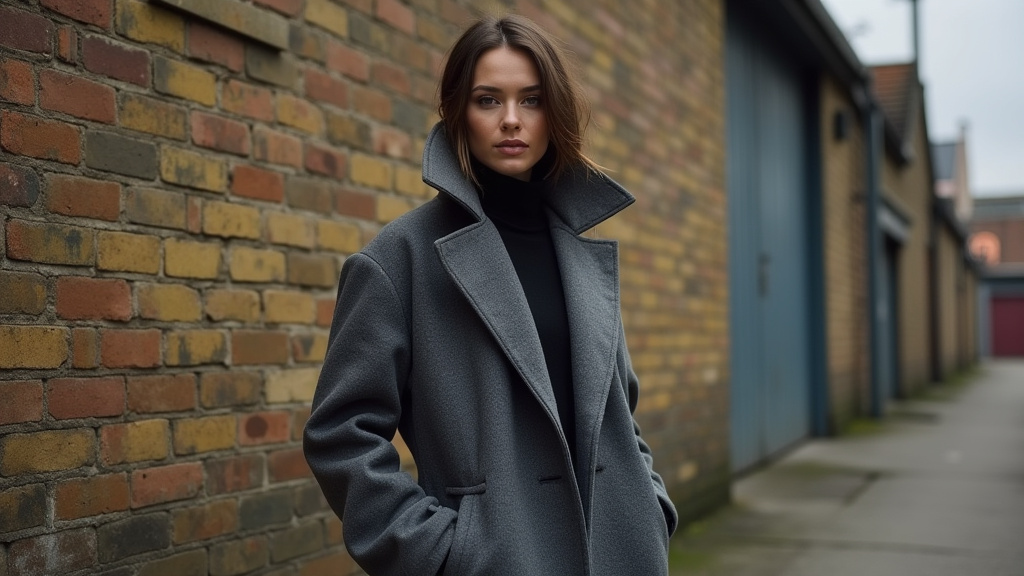
Central to the AW26 aesthetic is the evolution of the trench coat. This season, the garment has been reimagined not as a protective layer, but as the focal point of the outfit. We are seeing a dominance of ‘heavy structuralism’—think exaggerated, boxy shoulders, weighted wool blends, and monochromatic palettes of slate grey, industrial olive, and carbon black. This is a deliberate rejection of the vibrant, neon-soaked aesthetics that dominated the early 2020s. The ‘It Girl’ of 2026 chooses the trench for its versatility, often layering it over sheer, floor-length skirts, creating a silhouette that balances military-grade rigidity with ethereal softness.
The ‘Creator-Curator’ Revolution
The individuals driving this trend—often referred to as ‘Creator-Curators’—represent a shift in the influence economy. Unlike the ‘lifestyle influencers’ of the past decade, these figures (primarily designers, archive historians, and sustainable fashion advocates) gain authority through rigorous research and stylistic nuance. Their content isn’t a ‘haul’ video; it is a deep dive into the history of a specific fabric or the provenance of a vintage archive item. This shift has forced major brands to pivot; they are now courting influencers who can articulate the technical merits of a garment, rather than just the visual appeal. This ‘intellectualization’ of street style is proving to be a massive commercial driver in the capital, with boutique luxury retail stores reporting a 14% uptick in sales for items featuring ‘provenance-backed’ materials.
The Geographic Shift: Beyond the West End
While London Fashion Week maintains its center of gravity in the traditional design hubs, the actual street influence is migrating. The ‘Soho-Peckham Axis’ is the current epicenter. Peckham, with its raw, industrial landscape and flourishing arts scene, has become the preferred backdrop for the aesthetic movement. The visual language here is distinct: it is grounded in the gritty, authentic textures of the urban environment. The ‘It Girl’ of 2026 is often spotted in the South London sprawl, where the juxtaposition of decaying brickwork and ultra-modern, conceptual fashion creates the perfect visual narrative. This geography is not incidental; it is an economic indicator of where the next generation of creative capital is congregating, moving away from the sanitized luxury of Mayfair toward spaces where fashion is treated as a form of urban sculpture.
The Secondary Angles: Contextualizing 2026
To fully understand the current moment, one must look at three critical forces influencing this trajectory:
1. The Economic Impact of Resale: The 22% surge in resale participation isn’t just about sustainability—it’s about financial strategy. The 2026 ‘It Girl’ views her wardrobe as an asset class. The secondary market in London has professionalized, with authentication services now as common as dry cleaning, fueling a rise in ‘Archival Collecting’ as a hobby.
2. Historical Continuity: This ‘New Structuralism’ is a direct homage to the British tailoring traditions of Savile Row. There is a distinct, ironic fusion happening: Gen Z stylists are taking the rigid, formal techniques of traditional British bespoke tailoring and applying them to casual streetwear. It is the marriage of the ‘Old Guard’ craft with the ‘New Guard’ attitude.
3. The Digital-Physical Loop: The rise of immersive digital fashion technology, such as AR-integrated street style photography, is influencing physical production. Brands are creating clothes that ‘pop’ specifically for digital lenses, emphasizing high-contrast textures that translate perfectly on high-definition social media feeds while remaining tactile and wearable in the physical world.
FAQ: People Also Ask
Q: What defines the ‘It Girl’ of 2026 compared to 2020?
A: The 2026 ‘It Girl’ is defined by intellectual authority rather than sheer reach. She is a curator, archivist, or creator with specific industry knowledge, prioritizing sustainability, ‘slow fashion’ investment pieces, and structural tailoring over fleeting, fast-fashion trends.
Q: Why is ‘Authentic Structuralism’ the dominant trend for AW26?
A: It represents a maturation of the fashion market. After years of excess and trend volatility, consumers are craving stability, durability, and pieces that communicate substance and longevity. It is a visual response to an unpredictable global economy.
Q: Are fast-fashion brands still relevant in the London street style scene?
A: Their influence is waning among the trend-setting ‘It’ demographic. Data shows a significant market shift toward mid-tier heritage brands and high-end archival resale, with ‘fast’ options being relegated to basic layering pieces rather than statement items.
Q: Where can I see these trends in action?
A: Outside of the official London Fashion Week venues, keep an eye on the Peckham arts district and the independent design markets in Dalston. These areas have become the true testing grounds for the season’s most avant-garde street style developments.