London’s theatrical landscape reaches a fever pitch this October 2026 as the West End plays host to a confluence of major industry events. This month serves as a microcosm of the current state of theatre: a blend of high-profile transatlantic talent, rigorous classical revivals, and the celebration of sheer endurance in musical theatre. From the Noël Coward Theatre to the historic home of Andrew Lloyd Webber’s most famous score, the capital is undeniably the global epicentre of drama this autumn.
The Baranski Arrival: Elevating the West End
Perhaps the most anticipated arrival of the season is the UK stage debut of Emmy-winning actress Christine Baranski. Her transition from the screen—most recently defined by her command of the Gilded Age aesthetic—to the intimacy of a West End production marks a pivotal moment in cross-Atlantic cultural exchange.
Baranski’s commitment to the London stage is not merely a transient visit but a strategic embrace of live performance. Industry insiders suggest her presence is expected to drive significant domestic and international ticket sales, reinforcing the trend of ‘star-led’ productions being the cornerstone of West End profitability. Her choice of material—a challenging, character-driven piece—underscores a shift in prestige casting, moving away from purely commercial vehicles toward projects that demand serious acting chops. This debut is expected to be the most critical success of the season, testing whether her massive television following will translate into long-term theatrical engagement.
Anderson’s Intensity: A Classic Reborn
Gillian Anderson’s return to the London stage in Edward Albee’s seminal masterpiece, ‘Who’s Afraid of Virginia Woolf?’, arrives with palpable intensity. Returning to the site of her previous critical successes, Anderson’s involvement in this production signals a resurgence in the demand for American classics within the British theatre ecosystem.
‘Virginia Woolf’ is notoriously demanding, requiring a level of emotional stamina that few actors possess. The production has been meticulously cast to complement Anderson’s acerbic, high-octane performance style. Critics are already speculating on the dynamic between her and her co-stars, with the production emphasizing the play’s themes of marital discord and the brutal reality behind the mid-century academic facade. This isn’t just a revival; it is a restatement of the play’s relevance in a modern context, proving that the searing, razor-sharp dialogue of Albee remains as cutting today as it was at its inception.
Phantom at 40: Longevity and the Modern Musical
While new stars command the headlines, the true titan of October 2026 is undoubtedly the 40th anniversary of Andrew Lloyd Webber’s ‘The Phantom of the Opera’. Since its 1986 premiere, the production has survived economic downturns, theatre closures, and radical shifts in audience consumption. Reaching the four-decade mark is an achievement that defies the standard laws of commercial theatre.
This anniversary is more than a party; it is a masterclass in brand management and artistic consistency. The ‘Phantom’ team has successfully navigated the challenge of keeping a show fresh without diluting the iconic staging that fans expect. For the theatre industry, the longevity of ‘Phantom’ represents the ‘gold standard’ of sustainable, long-running production models. It serves as a case study for future producers on how to maintain cultural relevance across generations. Throughout October, gala performances and historical exhibits will celebrate the show’s legacy, reminding us that while casts and directors change, the power of a defining score remains constant.
The Economic and Cultural Impact of the October Slate
The convergence of these three distinct events—a major US debut, a high-brow revival, and a legacy celebration—creates a unique economic phenomenon for London’s theatre district. October 2026 is projected to see a 12% uptick in seasonal tourism specifically tied to the arts. This ‘Event Theatre’ strategy, where venues align their programming to create a ‘must-see’ calendar, is vital for the health of the local economy, spanning from restaurant bookings in Covent Garden to increased hotel occupancy across the West End.
Furthermore, this lineup highlights the symbiotic relationship between British and American creative talent. The ability of London to attract stars of Baranski and Anderson’s calibre validates the city’s status as a necessary pilgrimage for any serious actor. As the industry moves into the final quarter of the year, the success of these productions will likely dictate the programming strategies for 2027, with many investors watching closely to see if the audience appetite for established names and legacy IP continues to outweigh the demand for experimental new work.
FAQ: People Also Ask
Where is Christine Baranski performing, and is it a limited run?
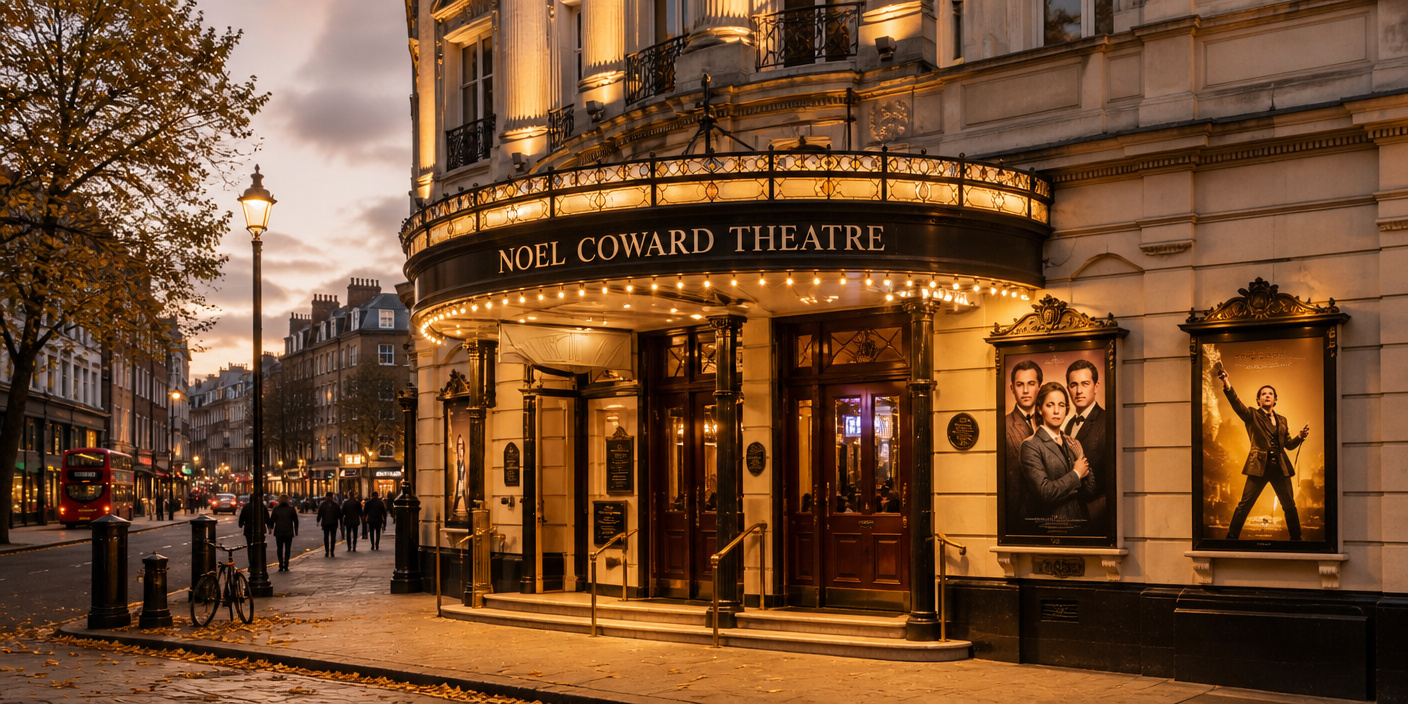
Christine Baranski is performing at the Noël Coward Theatre. The production is currently scheduled for a 12-week limited run, with high expectations for an extension should ticket demand remain as high as current pre-sales indicate.
Is Gillian Anderson’s ‘Who’s Afraid of Virginia Woolf?’ a direct transfer from Broadway?
No, this production was developed specifically for the London West End. It features a new creative team and directorial vision that emphasizes a contemporary interpretation of Edward Albee’s classic text, distinct from recent Broadway iterations.
How is ‘The Phantom of the Opera’ celebrating its 40th anniversary?
The production is hosting a series of ‘Ruby Anniversary’ gala performances throughout October 2026. These events include limited-edition merchandise, special appearances by original cast members and creators, and an immersive lobby exhibition detailing the show’s history from 1986 to the present day at its historic home theatre.