Comedian and broadcaster Russell Brand has appeared at Southwark Crown Court for the opening day of his trial, facing a series of grave allegations concerning rape and sexual assault. The legal proceedings center on incidents alleged to have occurred between 1999 and 2009, a period that spans the height of Brand’s rise to prominence in the entertainment industry. Having consistently maintained his innocence throughout the investigative process, Brand has officially entered a plea of not guilty to all charges.
Key Highlights
- Legal Proceedings Commence: Russell Brand arrived at Southwark Crown Court as the trial officially opened to address multiple counts of sexual offenses.
- Scope of Allegations: The charges are tied to incidents reported between 1999 and 2009, covering a decade of alleged historical misconduct.
- Not Guilty Plea: Brand has entered a formal plea of not guilty to all charges, setting the stage for a contentious legal battle.
- Judicial Context: The trial follows a long-running inquiry conducted by the Metropolitan Police, which involved the examination of historical claims against the public figure.
The Legal Reckoning at Southwark Crown Court
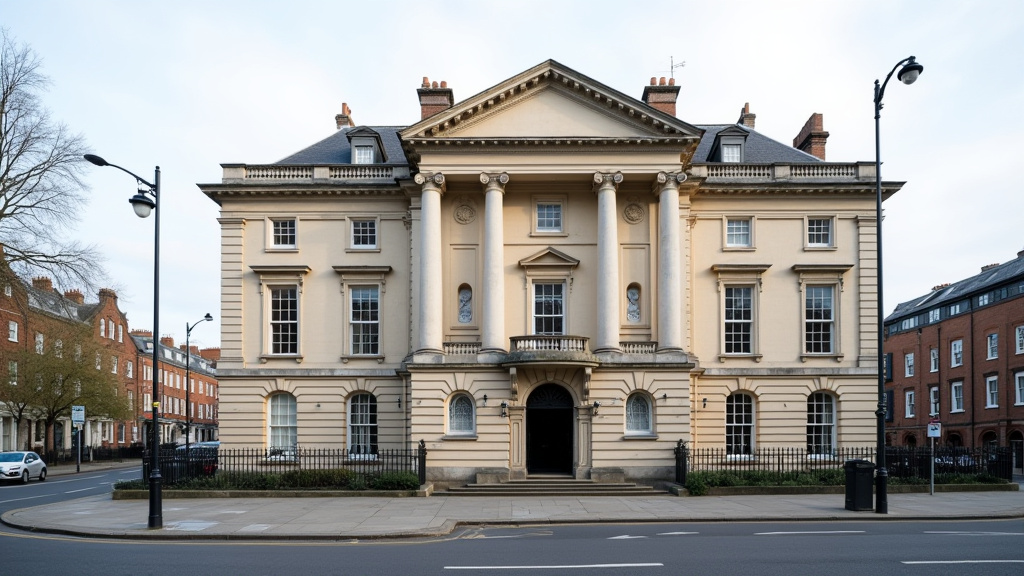
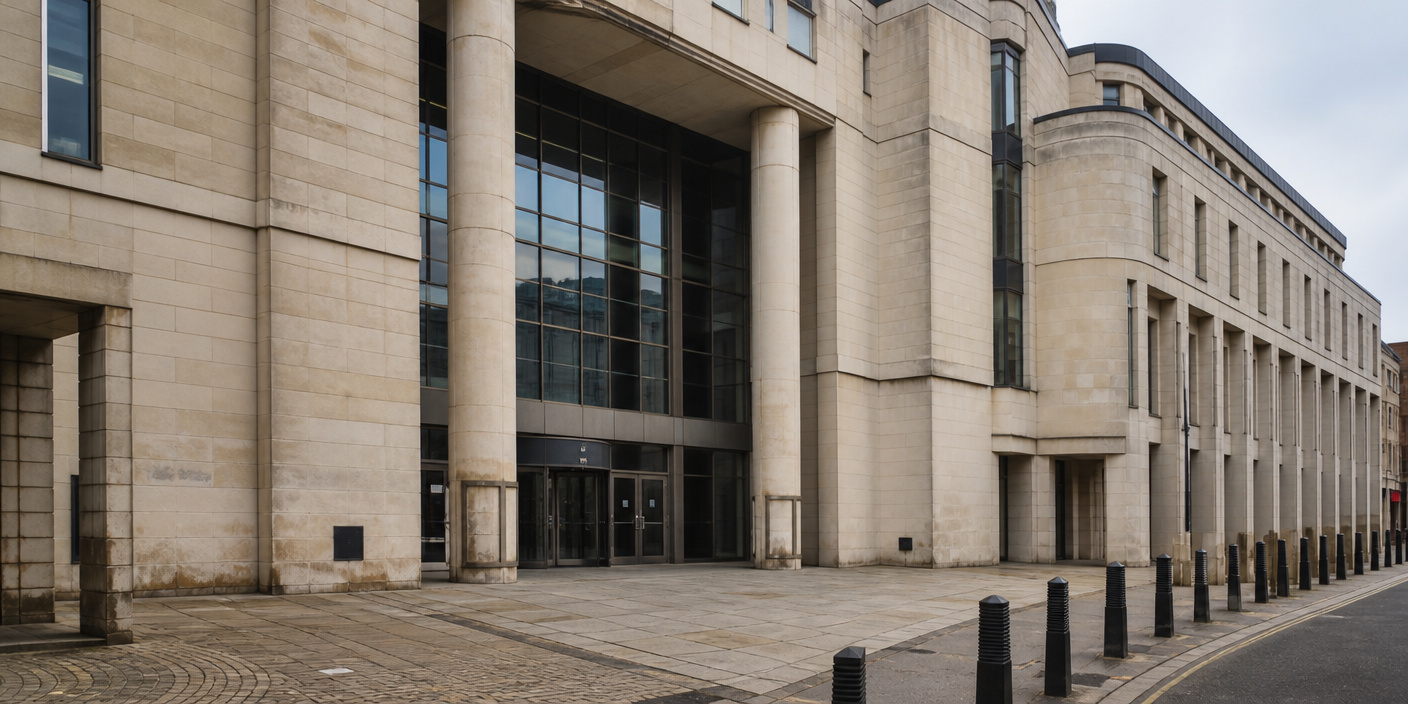
The arrival of Russell Brand at Southwark Crown Court signifies a critical juncture in a case that has been under intense public and legal scrutiny for an extended period. Southwark Crown Court, a venue frequently utilized for high-profile and serious criminal trials, has become the center of this legal challenge. The presence of high-profile legal teams and the weight of the allegations ensure that this trial will be observed closely by both the legal establishment and the wider public.
The Charges and the 1999-2009 Timeline
At the heart of the prosecution’s case are specific allegations of rape and sexual assault occurring over a ten-year window. For legal experts, historical sexual assault cases present unique challenges, primarily regarding the corroboration of evidence and the reliability of witness testimony following a significant lapse in time. The prosecution is tasked with presenting a case that can substantiate these historical claims, while the defense team, led by seasoned legal counsel, will focus on the presumption of innocence and the rigorous examination of any evidence brought forward.
The Defense and Judicial Process
Russell Brand’s plea of not guilty is the foundational stance of his defense. In the British legal system, the burden of proof rests entirely with the prosecution, which must prove beyond a reasonable doubt that the offenses took place as described. The trial is expected to be a thorough, multi-faceted process, involving not just testimony from the complainant(s) but also a deep analysis of any available documentary, digital, or circumstantial evidence from the era in question.
Secondary Angle: The Evolution of Media Accountability
The broader implications of this trial extend well beyond the individual involved. This case serves as a touchstone for the current cultural and industry-wide conversation regarding accountability in entertainment. Over the last decade, there has been a profound shift in how the media and the public address allegations of historical misconduct. Whether or not this trial leads to a conviction, the proceedings themselves highlight the increasing capacity of institutions to investigate and bring to trial high-profile figures, regardless of their influence or status during the period in which the alleged acts occurred.
Secondary Angle: The Mechanics of Historical Investigations
The Metropolitan Police’s involvement in this case underscores the complexity of historical sexual assault investigations. Unlike contemporary incidents where digital footprints or immediate forensic evidence may be more readily available, historical cases rely heavily on human testimony. This trial provides a look into the Metropolitan Police’s methodology for vetting and pursuing claims from decades past, illustrating the procedural hurdles involved in building a case capable of meeting the stringent standards of a Crown Court trial.
Secondary Angle: Future Judicial Precedents
Finally, this trial is poised to contribute to the evolving legal framework surrounding sexual consent and historical allegations. Legal scholars will likely analyze the verdict for its impact on future jurisprudence, particularly regarding how the courts balance the rights of the defendant against the pursuit of justice for complainants in long-standing cases. The meticulousness of the court’s approach will be studied as a barometer for how the justice system treats high-stakes, historically complex litigations.
FAQ: People Also Ask
Q: What is the significance of Southwark Crown Court in this trial?
A: Southwark Crown Court is a major judicial hub in London, commonly reserved for serious, high-profile criminal cases, including those involving complex evidence or significant public interest.
Q: What is the nature of the allegations against Russell Brand?
A: The charges encompass multiple counts of rape and sexual assault, with the timeline for the alleged incidents stretching between 1999 and 2009.
Q: How has Russell Brand responded to these charges?
A: Russell Brand has formally pleaded not guilty to all counts, and his legal representatives are challenging the accusations in court.
Q: Are there other figures involved in this legal process?
A: The trial is managed by the court, with prosecution teams, defense counsel, and the judge presiding over the specific facts of the case as presented by the Crown and the defense.