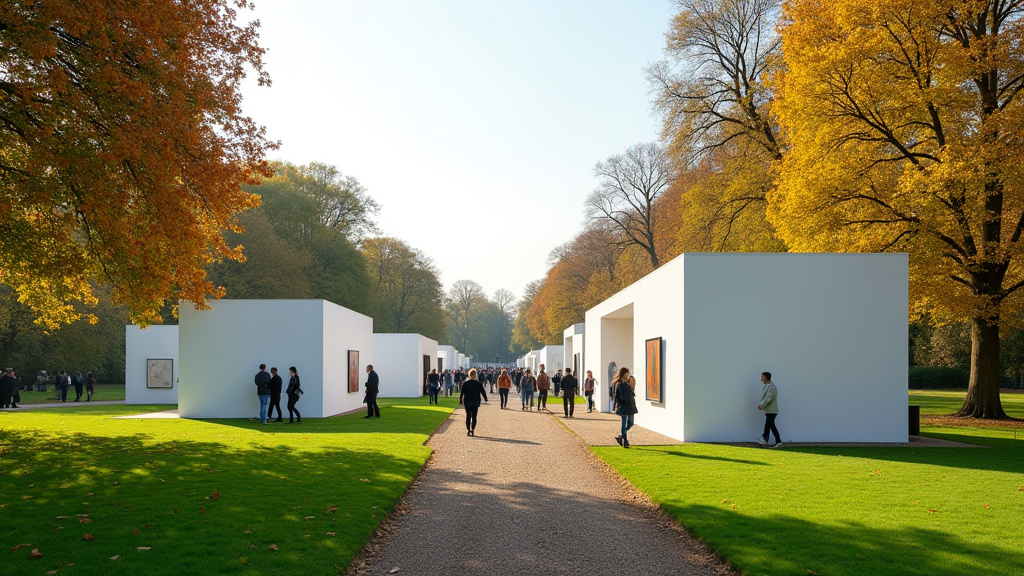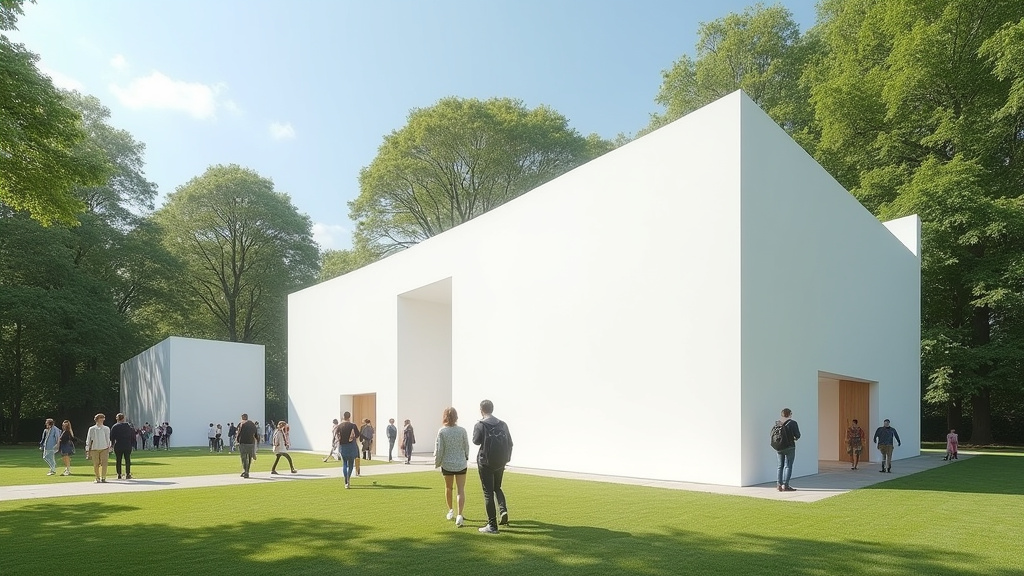
The gates of Regent’s Park have opened, signaling the start of the 2026 autumn cultural season as Frieze London and Frieze Masters launch their highly anticipated multi-day exhibition. Running from October 14 to October 18, the event serves as the primary nexus for the global art market, bringing together an unprecedented assembly of contemporary galleries, historical dealers, and high-profile collectors under the iconic white marquees that define this annual pilgrimage.
Key Highlights
- Event Dates: The dual-fair experience runs strictly from October 14 to October 18, 2026.
- Prime Location: The event is hosted in the heart of London’s Regent’s Park.
- Combined Scope: The programming encompasses both the contemporary innovations of Frieze London and the historical significance of Frieze Masters.
- Cultural Impact: Widely recognized as the flagship event of the autumn, dictating trends for the upcoming fiscal year in the art market.
The Architecture of Influence: Navigating Frieze 2026
The arrival of Frieze London 2026 in Regent’s Park is far more than a trade show; it is a meticulously curated ecosystem that dictates the pulse of the international art world. For five days, the temporary architecture constructed within the park transforms into the epicenter of cultural capital, drawing thousands of international visitors, ranging from museum curators and institutional directors to the world’s most influential private collectors.
A Tale of Two Fairs: Contemporary Meets Historical
Central to the Frieze London 2026 identity is the strategic bifurcation of the event. Frieze London remains the primary platform for living artists, showcasing the avant-garde, the experimental, and the commercially viable trends that will dominate gallery programs for the next twelve months. In tandem, Frieze Masters provides a necessary historical counterbalance. By positioning antiquity, old master paintings, and post-war classics just a short walk from the latest installations, the fair creates a unique dialogue between eras.
This year’s edition emphasizes the ‘dialogue’ aspect more than ever before. Curatorial panels have worked to ensure that the transition between the historical and the contemporary is fluid, allowing attendees to draw connections between the techniques of the past and the digital or sculptural expressions of the present. It is this specific juxtaposition that secures Frieze’s position as a ‘must-attend’ for institutional researchers seeking to contextualize contemporary works within the broader art historical canon.
The Economic Pulse of the Autumn Market
Beyond the aesthetic and cultural discourse, Frieze London 2026 serves as a critical economic barometer. The October dates are carefully chosen to align with the primary buying cycle of the global art market. Galleries utilize this period to unveil their most significant acquisitions and commission specific works for the fair, betting on the concentration of wealth and decision-making power present in London during this week.
Market analysts note that the 2026 edition faces a unique economic landscape. With a renewed focus on regional diversity in the participating galleries, the fair has successfully widened its scope beyond the traditional London-New York-Paris axis. This inclusivity is not merely a social imperative; it is a financial strategy designed to attract a new generation of collectors from emerging markets, ensuring that the volume of trade remains robust despite global economic fluctuations.
Sustainability and the Future of the Pavilion
One of the most discussed secondary angles of this year’s fair is the evolving relationship between Frieze and the Regent’s Park environment. The logistical challenge of erecting massive, climate-controlled structures in a Grade I listed landscape is significant. In 2026, the fair organizers have implemented a ‘green-first’ mandate, focusing on carbon-neutral logistics and sustainable material sourcing for the pavilion construction. This pivot responds to increasing pressure from the artistic community for environmental accountability, proving that even the most elite gatherings are not immune to the necessity of sustainable evolution.
As the fair continues through October 18, the conversation will shift from the commercial successes of the opening days to the lasting impact of the installations. For many, Frieze London 2026 will be remembered not just for the art sold, but for the clarity it provides regarding the direction of the global art market as we approach the close of the year.
FAQ: People Also Ask
Q: What is the primary difference between Frieze London and Frieze Masters?
A: Frieze London focuses exclusively on contemporary art from living artists and current gallery rosters, while Frieze Masters exhibits historical art, ranging from ancient artifacts to 20th-century masters, providing a wider chronological scope.
Q: Are the fairs open to the public?
A: Yes, both Frieze London and Frieze Masters are open to the general public, though tickets must be purchased in advance for specific time slots to manage capacity within the Regent’s Park tents.
Q: Why is the event held in Regent’s Park?
A: Regent’s Park offers a unique, iconic central London location that allows for the construction of massive, temporary, purpose-built pavilions capable of hosting the thousands of visitors and hundreds of galleries involved, a scale that is impossible to achieve in traditional gallery spaces.
Q: How does Frieze 2026 impact the London economy?
A: The event attracts significant international tourism, boosts the luxury hospitality and transport sectors, and facilitates millions of pounds in art transactions, making it one of the most significant revenue-generating weeks for the London arts sector.