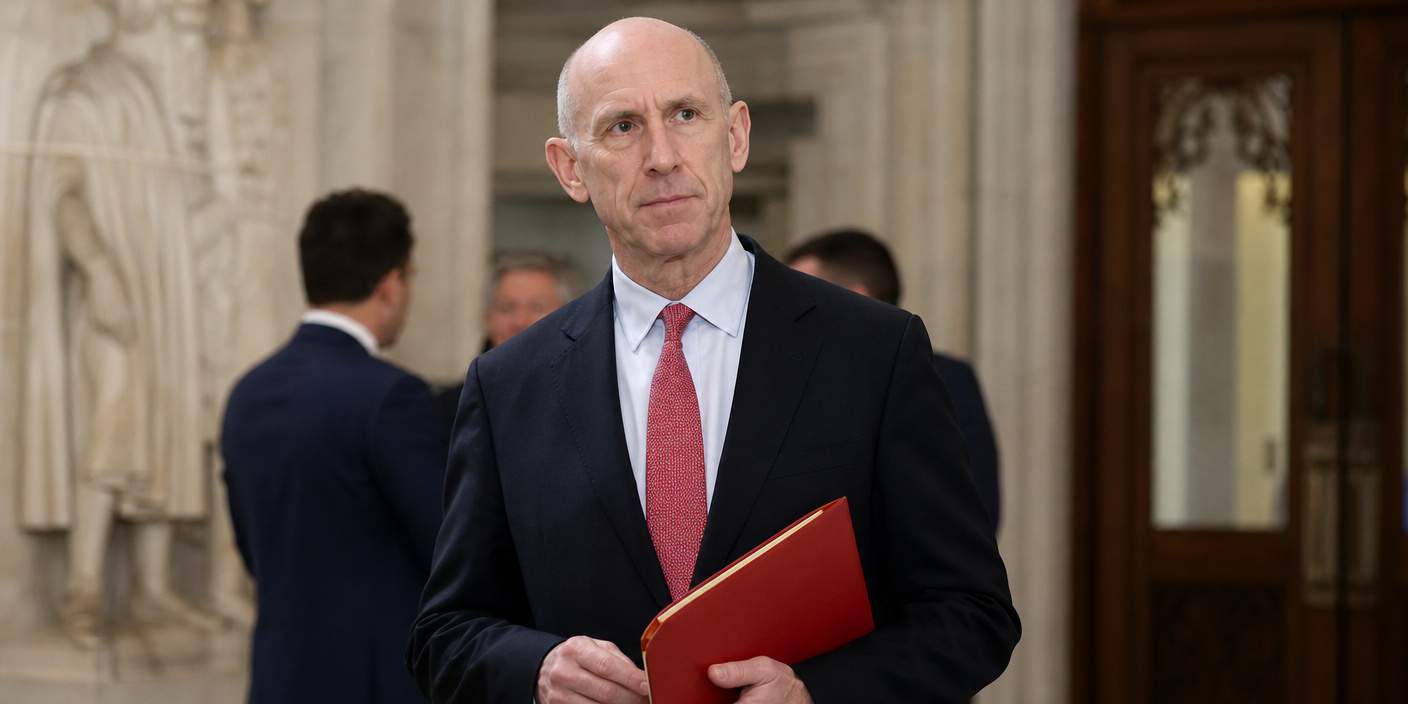
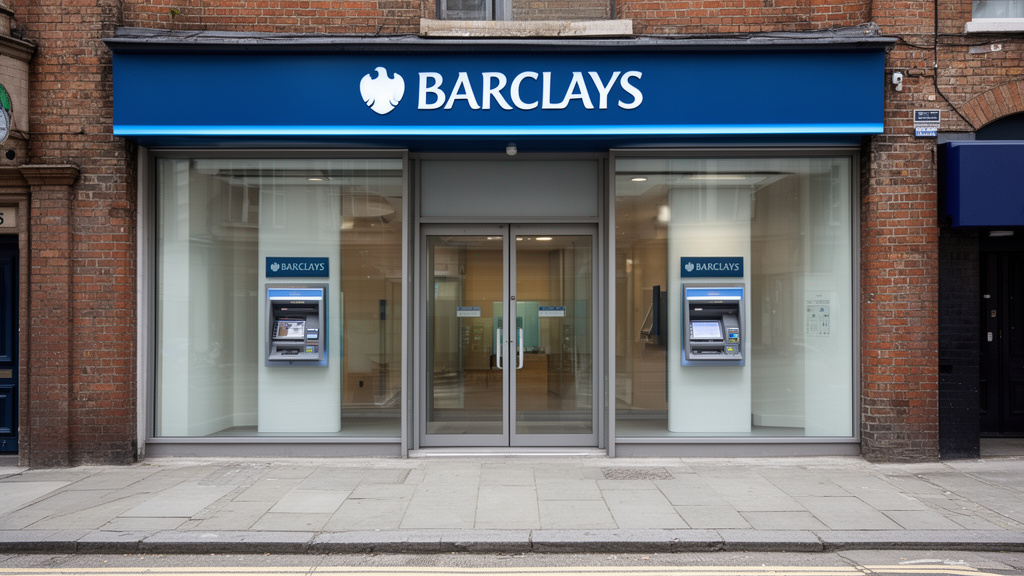
Barclays is preparing to implement a major cost-reduction drive involving more than £100m in expenditure to cut high-street roles. This move comes as the bank prepares to report Q3 earnings and as the market anticipates potential tax increases on the banking sector in Chancellor John Healey’s upcoming 28 October budget. The banking giant is not acting in isolation; its strategic shift mirrors the wider climate of economic caution permeating the Sunday headlines, which also grapple with the operational struggles of water companies, the persistent challenges facing the NHS, and the geopolitical developments concerning Israeli militants.
Key Highlights
- Barclays Strategic Shift: The bank is initiating a £100m cost-reduction plan specifically targeting high-street roles to optimize operational efficiency.
- Budgetary Pressure: Financial institutions are preemptively adjusting balance sheets in anticipation of Chancellor John Healey’s 28 October budget, with fears of targeted tax hikes.
- National Infrastructure: The Sunday news cycle highlights critical concerns regarding the Welsh radar project and its implications for national security and regional development.
- Sector-Wide Volatility: Automotive industry struggles, illustrated by Renault’s market positioning, and ongoing environmental and regulatory scrutiny of water companies continue to dominate the economic discourse.
- Geopolitical & Public Services: Urgent coverage of the ongoing conflict involving Israeli militants coincides with continued scrutiny of NHS funding and service capacity.
The Financial Austerity Measures
Barclays’ Calculated Retreat from the High Street
Barclays has long been navigating the delicate balance between maintaining a physical high-street presence and pursuing the lean, digital-first model required for modern banking profitability. The announcement of a £100m cost-reduction drive is a significant indicator of the current internal strategy. By focusing on cutting high-street roles, the bank is signaling a pivot toward automation and centralized support structures.
This decision, while necessary for short-term balance sheet optimization, reflects a broader trend in the UK banking sector. High-street branches are increasingly being viewed as legacy assets with high overheads rather than primary revenue drivers. As Q3 earnings loom, stakeholders are watching closely to see if these cuts will satisfy market expectations or if deeper structural changes are required to bolster the bank against future volatility.
The Shadow of the 28 October Budget
The looming shadow of Chancellor John Healey’s 28 October budget is acting as a catalyst for these corporate decisions. Financial institutions are notoriously sensitive to fiscal policy changes. Rumors of potential tax increases—specifically those targeting the banking sector—have created a climate of preemptive austerity.
If the government moves to increase the corporation tax burden on banks, it could potentially stifle investment and innovation across the sector. Barclays, by proactively reducing its expenditure now, is attempting to create a defensive buffer. This move is less about immediate necessity and more about creating ‘fiscal headroom’ to absorb the shocks that might follow the Chancellor’s autumn statement.
A Sunday of National and International Significance
Beyond the banking boardrooms, the broader Sunday news cycle paints a picture of a nation grappling with multifaceted challenges.
Infrastructure and Security: The Welsh Radar Project
One of the more complex stories emerging this weekend involves the Welsh radar project. This initiative, while localized, sits at the intersection of national security and regional planning. The development of radar capacity in Wales is critical for airspace management and defense monitoring, yet it faces hurdles regarding land usage and environmental impact. The discourse surrounding this project highlights the ongoing struggle to balance modernization of national infrastructure with local regulatory compliance.
Industry and Public Service Strains
Renault’s current market positioning, as reported in the press, reflects a global automotive sector struggling with the transition to electric vehicles, supply chain fragility, and fluctuating consumer demand. Meanwhile, the UK’s water companies remain under intense pressure. Facing regulatory fines, infrastructure failures, and intense public scrutiny regarding pollution and water quality, these companies are currently a primary target for both political debate and legislative action.
Simultaneously, the NHS remains a permanent fixture of the national news cycle. The current dialogue focuses not merely on funding gaps, but on the systematic challenges of delivering service at scale. The persistent strain on public services forms a backdrop of social and political urgency that complicates the government’s fiscal planning.
Global Conflict and Geopolitical Ripples
The situation involving Israeli militants continues to evolve, serving as a reminder of the global geopolitical landscape. The impact of these events is not limited to international diplomacy; it ripples into domestic economics, influencing energy costs, market sentiment, and national security priorities. The Sunday reports underscore that domestic issues—such as the Barclays cuts or NHS funding—cannot be decoupled from the international environment.
FAQ: People Also Ask
Q: Why is Barclays specifically targeting high-street roles for these cuts?
A: Barclays is pivoting toward a digital-first operational model. High-street branches have seen reduced foot traffic as customers shift to mobile and online banking, making them high-overhead assets that are increasingly redundant in a digital-native financial ecosystem.
Q: What is the significance of the 28 October budget for UK banks?
A: The 28 October budget, delivered by Chancellor John Healey, is highly anticipated due to rumors of potential tax increases on the financial services sector. Banks are adjusting their spending and staffing levels now to mitigate the anticipated reduction in net profitability.
Q: How does the Welsh radar project affect national policy?
A: The project represents a critical junction between national defense/security needs and local infrastructure development, illustrating the difficulties the government faces in pushing through large-scale projects without significant administrative or environmental pushback.
Q: Are these cost-cutting measures expected to lead to branch closures?
A: While the current report focuses on roles, historical trends in the banking sector suggest that cutting high-street personnel is almost always a precursor to, or a direct result of, the consolidation and closure of physical branch locations.