
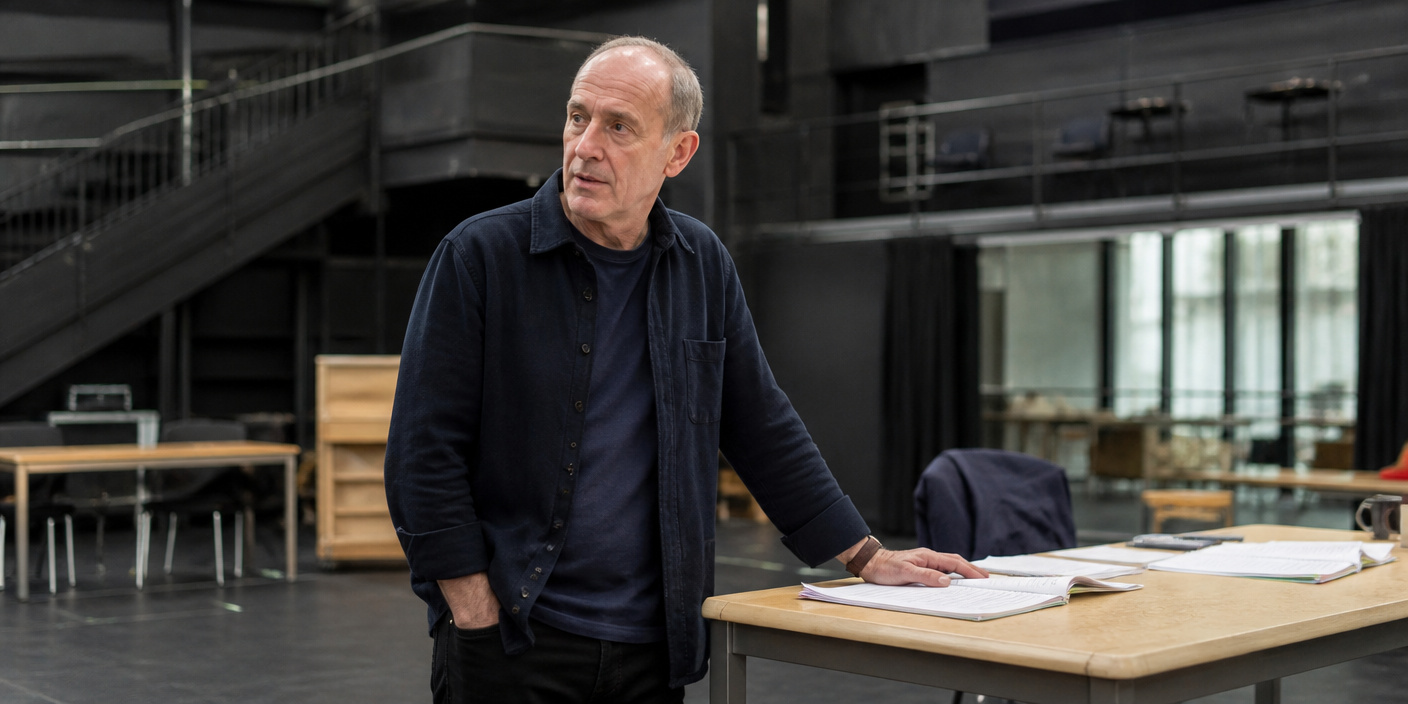
Director Nicholas Hytner has officially confirmed a major West End revival of Alan Bennett’s acclaimed play, The History Boys, marking exactly two decades since its groundbreaking 2004 debut. The production aims to capture the original spirit of the work by strictly adhering to the casting strategy of the original run, which sought out unknown actors to bring authenticity to the classroom setting. This revival promises to reignite discussions about the British education system, the nature of knowledge, and the tension between teaching for exams and teaching for life.
Key Highlights
- Two-Decade Anniversary: The revival celebrates 20 years of The History Boys, which originally premiered at the National Theatre in 2004 to critical and commercial acclaim.
- Director’s Return: Nicholas Hytner, who directed the original play and the 2006 film adaptation, returns to helm this new West End production.
- Casting Philosophy: The production is committing to casting unknown actors for the lead roles, mirroring the strategy that launched the careers of stars like James Corden, Dominic Cooper, and Russell Tovey.
- Thematic Integrity: The staging aims to retain the original script’s sharp dialogue and profound philosophical inquiries while framing them through a modern 2024 lens.
The Resurgence of a Modern Classic
The announcement of a West End revival for The History Boys serves as a monumental moment for London’s theatrical landscape. When the play first graced the stage at the National Theatre’s Lyttelton auditorium in 2004, it was an immediate sensation. It did not merely entertain; it forced the audience to reckon with the purpose of education, the burden of history, and the moral complexities of pedagogy. Now, twenty years later, Nicholas Hytner is tasked with bringing this lightning-in-a-bottle energy back to the stage.
Hytner’s Directorial Vision
Nicholas Hytner has long been associated with Alan Bennett’s work, a partnership that has shaped the trajectory of British theatre in the 21st century. By returning to this material, Hytner is not just revisiting a hit; he is engaging in a dialogue with his own past work. In recent interviews, the production team has emphasized that this is not a ‘re-imagining’ or a ‘deconstruction’ of the play. Instead, it is a fidelity-focused revival that respects the original structure of the classroom drama. The goal is to provide a ‘lesson’ for a new audience—one that is perhaps more disconnected from the traditional academic rigor depicted in the play, making the story’s central conflicts feel even more urgent.
The ‘Unknowns’ Casting Strategy
Perhaps the most significant component of this announcement is the firm commitment to casting unknown actors. In 2004, the cast was a who’s-who of future stars, though they were largely unproven at the time. This ‘blank slate’ approach allowed the audience to see the characters—the History Boys—rather than the actors themselves. By avoiding established celebrity casting, which has become common in modern West End revivals, the production maintains the integrity of the ensemble. This decision highlights a confidence in Bennett’s writing: the dialogue is the star, not the resume of the performer. The casting team is reportedly scouring drama schools and regional theatres to find young talent capable of navigating the rapid-fire, intellectual, and often humorous script.
Exploring the Cultural Microcosm
The History Boys is a play about a group of bright, funny, and unruly sixth-formers in a boys’ grammar school in the 1980s. It operates as a microcosm for the British class system and the philosophical divide in education. Hector, the eccentric, poetry-loving teacher, sits at odds with Irwin, the cynical, results-oriented supply teacher. As the play progresses, this conflict becomes the emotional heartbeat of the story. Two decades on, this dynamic is arguably more relevant than ever. In an era dominated by standardized testing, algorithmic learning, and the digital commodification of knowledge, the play’s core question—”What is the point of learning?”—resonates with a modern audience grappling with the role of institutions in the information age.
Future Implications for West End Programming
The decision to revive a play of this magnitude signals a broader trend in West End programming. Producers are increasingly looking to the ‘modern canon’—works from the late 20th and early 21st centuries that have already proven their staying power. By betting on a known, high-quality intellectual property, while keeping the production costs focused on talent rather than spectacle, the team behind The History Boys is setting a blueprint for how to successfully manage legacy revivals. If this production hits the mark, it could pave the way for other significant plays from the early 2000s to find their way back to center stage.
FAQ: People Also Ask
Q: When will the new production of The History Boys open?
A: While the official confirmation has been made, specific dates and venue details are currently being finalized by the production team. Announcements regarding tickets and premiere dates are expected in the coming months.
Q: Will the original 2004 cast be involved in this revival?
A: No. The production is committed to casting unknown actors to maintain the integrity of the ‘student’ dynamic. The original cast members have since moved on to significant careers in film, television, and theatre.
Q: Is Alan Bennett involved in this new production?
A: Yes, Alan Bennett remains the primary author, and the production is working closely with the original script, ensuring that the wit and philosophy that made the play a classic remain intact.
Q: Why is this play considered a ‘modern classic’?
A: The History Boys is widely regarded as a modern classic due to its sophisticated handling of intellectual topics, its distinct character development, and its ability to balance comedy with deep, often tragic, insights into the human condition.