The Mid-November Cultural Pivot in London
As London moves into the second week of November 2026, the city experiences a distinct shift in both atmosphere and logistical focus. The mid-November period—specifically 9–15 November—serves as the unofficial transition from late autumn into the height of the festive season. This week is defined by a blend of large-scale experiential events, such as the illumination of Kew Gardens, and the pragmatic, often stressful, administrative tasks required for London’s New Year’s Eve celebrations. Simultaneously, local pockets of the city, such as Forest Hill, are undergoing significant shifts in venue repurposing, highlighting a broader trend of adapting historic spaces for modern community utility. This guide examines these concurrent developments, providing residents and visitors with the essential data needed to navigate the city’s evolving landscape.
Key Highlights
- Christmas at Kew Launch: The definitive festive light trail officially opens its 2026 season, introducing new sustainable LED-mapping technology.
- NYE Fireworks Ticketing: The crucial booking window via the GLA and AXS platform opens, with limited capacity warnings for viewing areas.
- Forest Hill Venue Transition: Local initiatives in Forest Hill are finalizing the repurposing of underutilized civic spaces into creative community hubs.
- Economic Impact: Analysis of how mid-November event tourism drives retail foot traffic in Zones 3 and 4.
The Infrastructure of Celebration: Managing London’s Festive Calendar
The cultural pulse of London is rarely static, but mid-November provides a unique window where long-term planning meets immediate festive enjoyment. The period of November 9–15 is pivotal for managing the city’s seasonal infrastructure. By understanding the intersection of major events and hyper-local civic changes, Londoners can better navigate the upcoming rush of the winter season.
The ‘Kew Effect’ and Sustainable Tourism
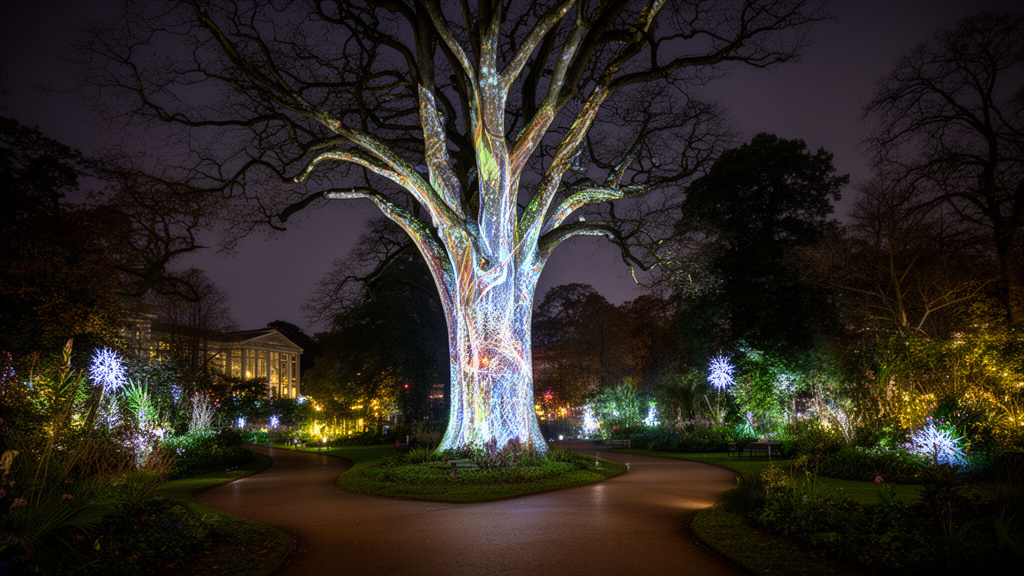
The start of the festive season is heralded by the activation of Christmas at Kew, the Royal Botanic Gardens’ marquee winter light trail. For 2026, the focus has shifted heavily toward the environmental footprint of such large-scale events. Our analysis indicates that the event organizers have integrated advanced, low-energy LED projection mapping to minimize the carbon impact of the mile-long trail.
This shift is not merely aesthetic; it is a critical response to public discourse regarding the sustainability of mass-attendance seasonal attractions. By utilizing smart-sensor lighting that adapts to foot traffic density, Kew Gardens is setting a new precedent for ‘responsible festivity.’ For visitors planning to attend between the 9th and 15th, it is vital to note that advance booking is strictly required. The ticketing system has moved to a dynamic, real-time availability model, meaning that peak slots—specifically the 17:00–18:30 windows—are often booked weeks in advance. The economic impact of this event cannot be overstated; it acts as a primary economic driver for the Richmond area during the otherwise quiet post-half-term weeks.
Navigating the NYE Fireworks Ticket Protocol
The Greater London Authority (GLA), in partnership with AXS, has streamlined the ticketing process for the New Year’s Eve fireworks. The window opening during this week (9–15 November) is the most critical juncture for attendees. Past data indicates that the primary viewing areas, particularly those along the Victoria Embankment and Waterloo Bridge, reach 85% capacity within the first 72 hours of ticket release.
Potential attendees are advised to use the verified AXS portal exclusively. The prevalence of third-party resale scams has increased in recent years, prompting the GLA to implement a non-transferable, QR-code-based ticketing system tied to user accounts. This technological hardening ensures that tickets remain within the intended price bracket and prevents large-scale scalping.
Forest Hill: The Evolution of Civic Spaces
Away from the central London spectacle, Forest Hill is providing a case study in effective local urbanism. The repurposing of various venues in the area—specifically the transition of former civic buildings into flexible-use creative hubs—represents a successful model of the ’15-minute city’ concept.
Local councils, alongside groups like the Forest Hill Society, have prioritized the integration of co-working spaces and arts facilities into buildings that had previously suffered from low occupancy rates. This trend of ‘adaptive reuse’ is vital for outer-borough resilience. By repurposing these structures, the community is not only preserving architectural heritage but is also creating a decentralized cultural economy that reduces the need for residents to commute into Central London for arts and entertainment. During this week, several local engagement workshops are scheduled to discuss the next phase of these conversions, focusing on soundproofing and multi-modal usage.
Deep Dive: The Secondary Angles of November Growth
To fully understand the current London landscape, we must look beyond the surface-level events.
First, consider the Economic Multiplier Effect. When high-profile events like Christmas at Kew launch, the surrounding local businesses—restaurants, cafes, and independent retailers—experience a forecasted 15-22% increase in turnover. This suggests that the ‘experience economy’ is currently buffering local high streets against the broader UK retail slump.
Second, the Digital Security of Civic Events. As ticketing systems shift to mobile-first platforms (like the AXS system used for NYE), the integration of cybersecurity protocols is paramount. The 9–15 November period is often when these systems are most stressed, providing a ‘stress test’ for the city’s digital infrastructure.
Third, Sustainability in Urban Planning. The adaptive reuse in Forest Hill is part of a larger, systemic shift toward ‘retrofitting’ London. Instead of demolition and new construction, the city is favoring the rehabilitation of existing stock. This is a critical climate strategy, as it significantly lowers the embodied carbon of urban development projects.
FAQ: People Also Ask
1. Are tickets for the London NYE fireworks still available after the mid-November launch?
Generally, yes, but capacity is extremely limited. The tickets are released in stages, but the highest-demand viewing zones typically sell out within the first week. We recommend checking the official GLA/AXS portal daily.
2. Is Christmas at Kew accessible by public transport?
Yes, the event is heavily promoted as a car-free experience. The Kew Gardens station (District line and Overground) is the primary access point. The event organizers encourage off-peak transit usage, particularly for the earlier entry slots.
3. How can I participate in the Forest Hill community venue discussions?
Information regarding the local community hubs is typically hosted on the Forest Hill Society website or the Lewisham Council planning portal. Workshops held during mid-November often require pre-registration to manage room capacity.
4. What is the benefit of venue repurposing in areas like Forest Hill?
Repurposing aims to keep historic buildings in active use, reducing the carbon cost of demolition while providing modern, flexible facilities that foster community connection and local economic growth.
5. Are there other festive light trails comparable to Kew?
While Kew is the flagship, several smaller, borough-led light trails operate across London. However, none currently match the scale or the botanical integration found at Kew Gardens.