Dagenham Blaze Requires Extensive Response
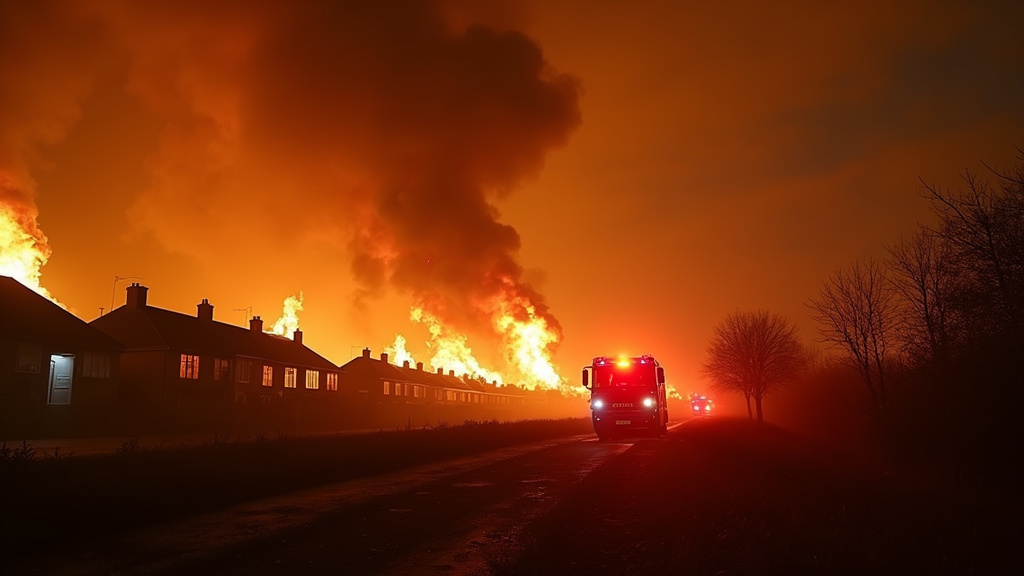
A significant grass fire in Dagenham, London, necessitated a large-scale emergency response, according to officials. The blaze, which prompted the evacuation of homes, required a substantial deployment of resources to contain and extinguish.
Emergency services were called to the scene to combat the rapidly spreading fire. The intensity of the flames and the potential for further escalation necessitated a large contingent of firefighters and equipment. The efforts of the firefighters were crucial in preventing the fire from causing further damage or posing a greater risk to the local community.
Firefighting Efforts
The London Fire Brigade (LFB) mobilized a considerable force to tackle the escalating situation. A total of 125 firefighters were dispatched to the scene. This large number of personnel highlights the scale of the incident and the challenges faced in bringing it under control. The firefighters worked in teams, coordinating their efforts to suppress the flames and protect nearby properties.
Supporting the firefighters were 20 fire engines. These vehicles provided the necessary water supply, equipment, and personnel transport to effectively combat the fire. The deployment of this many fire engines demonstrates the gravity of the situation and the commitment of the LFB to protecting the public.
The fire, which consumed a large area of grassland, presented several challenges to the firefighters. The dry conditions and the presence of flammable materials contributed to the rapid spread of the fire. The firefighters had to work quickly and strategically to contain the flames and prevent them from reaching homes and other structures.
Evacuation of Homes
One of the most critical aspects of the incident was the evacuation of homes in the vicinity of the fire. This measure was taken to ensure the safety of residents, as the fire posed a significant threat to their properties and well-being. Residents were instructed to leave their homes and seek shelter in a safe location. The evacuation process was carried out swiftly and efficiently, with the cooperation of local authorities and emergency services.
The evacuated residents faced an uncertain situation, unsure of when they would be able to return to their homes. The fire’s intensity and the potential for lingering hazards meant that the area had to be secured and assessed before residents could be allowed back. The authorities provided support and assistance to the evacuated residents, offering them temporary accommodation and information about the situation.
Investigation into the Cause
The cause of the fire is currently unknown, and an investigation has been launched to determine the circumstances that led to the blaze. Fire investigators will examine the scene, gather evidence, and interview witnesses to ascertain the origin and cause of the fire. The investigation will aim to identify any contributing factors, such as weather conditions, human activity, or potential ignition sources.
The findings of the investigation will be crucial in understanding how the fire started and in preventing similar incidents from occurring in the future. The authorities will use the information gathered to assess fire safety protocols and to implement any necessary improvements.
Community Impact
The grass fire in Dagenham had a significant impact on the local community. Residents faced the disruption of evacuation, and the smoke and flames caused concern and anxiety. The incident also highlighted the importance of fire safety and the need for community preparedness.
The LFB and local authorities worked together to minimize the disruption and to provide support to those affected by the fire. The swift response of the emergency services and the cooperation of the community helped to mitigate the impact of the incident and to ensure the safety of residents.
The incident serves as a reminder of the potential dangers of grass fires and the importance of taking precautions to prevent them. It also underscores the vital role of firefighters and emergency services in protecting communities from harm.