
The National Football League (NFL) has initiated a strategic price reduction for tickets to the upcoming Indianapolis Colts versus Washington Commanders game in London. This move, aimed at ensuring the venue hits maximum capacity, comes amid growing scrutiny regarding the league’s aggressive international expansion schedule and evolving consumer demand. As the league pivots to fill seats, the decision has inadvertently triggered a wave of criticism from fans who purchased tickets at full price, highlighting a growing tension between dynamic pricing models and the expectations of the loyal international fanbase.
Key Highlights
- Strategic Price Adjustment: The NFL has lowered prices for the Colts-Commanders London fixture to stimulate sales and guarantee a sell-out crowd at the stadium.
- Fan Backlash: Early purchasers who paid premium “first-release” prices have expressed frustration over the sudden devaluation of their tickets.
- The ‘Team Fatigue’ Factor: Analysts point to a saturation of NFL games in London as a potential cause for waning interest in non-marquee matchups.
- Dynamic Pricing Risks: The situation underscores the difficulties the NFL faces in managing a global ticket inventory where fan loyalty meets economic reality.
The Economics of an International Sell-Out
The NFL’s decision to reduce ticket prices for the Indianapolis Colts vs. Washington Commanders game serves as a stark reminder of the complexities involved in exporting American football to an international audience. For years, the NFL International Series has enjoyed a reputation for instant sell-outs, driven by the novelty of the sport and the limited availability of games. However, as the league increases the frequency of games hosted in the United Kingdom, that novelty is being tested against the reality of market saturation and the specific appeal of the matchups on offer.
Managing Inventory and Venue Capacity
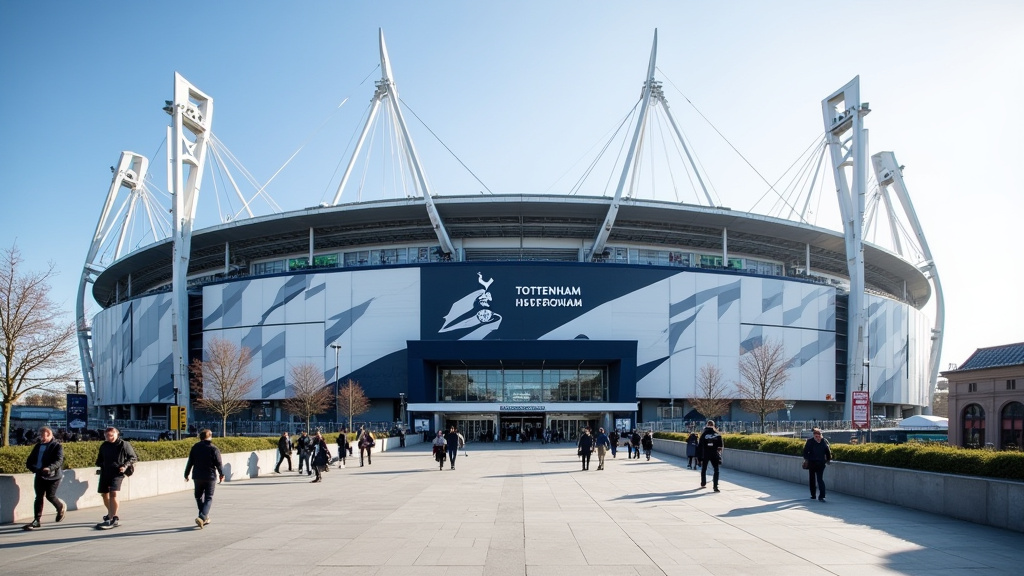
Maximizing venue capacity is not merely an operational goal; it is a critical component of the NFL’s brand narrative. An empty seat at Tottenham Hotspur Stadium—or any venue hosting an NFL International game—is a visual failure in the league’s attempt to signal global dominance. When ticket sales velocity slowed for the Colts-Commanders matchup, league organizers faced a choice: maintain original price points and risk visual gaps in the stands, or implement tactical price reductions.
The chosen route involves complex dynamic pricing strategies. While common in the airline and hotel industries, dynamic pricing in sports entertainment—particularly for a league that prides itself on premium, exclusive access—can alienate the “super-fan” demographic. These fans are the lifeblood of the London series, often planning their travel and accommodation months in advance. Seeing prices slashed mere weeks before kickoff essentially penalizes the most dedicated supporters, creating a public relations hurdle that the NFL must now navigate.
The ‘Team Fatigue’ Phenomenon
‘Team fatigue’ has emerged as a significant variable in the London market. Unlike in the United States, where local markets are deeply rooted in regional team loyalties, the international audience is often more selective. UK fans have become increasingly sophisticated in their understanding of rosters, coaching stability, and, perhaps most importantly, the competitiveness of the teams involved.
The Indianapolis Colts and Washington Commanders, while historic franchises, may lack the transcendent, globally recognized superstar presence that drives “event-level” interest in a market that is still being educated on the nuances of the game. When a matchup fails to capture the imagination of the casual observer, the pressure on ticket prices becomes immediate. This is a crucial lesson for the NFL: as they expand their footprint, the “if you build it, they will come” mentality of the past decade is no longer a guaranteed strategy.
Secondary Markets and Consumer Trust
Beyond the primary ticket office, the secondary market plays a massive role in the perceived value of these tickets. When the NFL lowers primary prices, it inadvertently impacts the resale value of those held by initial buyers. For fans who view NFL tickets as both a luxury experience and a financial investment, this creates a volatile environment. The long-term risk for the league is the erosion of trust. If fans believe that waiting until the last minute will yield cheaper tickets, the urgency to purchase early disappears, ultimately complicating the league’s ability to project revenue and manage logistics for future games.
Future Implications for the International Series
The NFL is at a crossroads regarding its international strategy. The push for more games in London, and increasingly in markets like Germany, Spain, and Brazil, requires a delicate balance between volume and value. To avoid future pricing controversies, the league may need to adopt more tiered pricing models, bundled packages, or enhanced “fan experiences” that offer value beyond the 60 minutes of football. Moving forward, ensuring the right teams are sent to the right markets will be just as important as the price tag attached to the seat. The league must decide if it prioritizes total game volume or the preservation of the “premium” status that has defined the International Series for years.
FAQ: People Also Ask
1. Why are ticket prices for NFL London games usually high?
NFL London games are high-demand events with limited supply. The costs reflect the logistical expense of transporting teams, staff, and equipment, as well as the “premium” status of the NFL as a niche but growing entertainment product in the UK.
2. Will fans who bought early get a partial refund?
Typically, official NFL ticket policies for the International Series do not retroactively provide refunds for price drops. This is standard in major sporting events, but it remains a primary source of dissatisfaction for early purchasers.
3. Is the NFL planning to reduce the number of London games?
There is no evidence the NFL intends to reduce the number of games. In fact, the league has signaled intentions to expand its global footprint. The focus is likely to shift toward better matchup selection and more sophisticated localized marketing to ensure sell-outs without reliance on drastic price cuts.
4. What does this mean for the future of NFL ticket strategies?
It signals a transition to a more reactive, data-driven pricing model. Expect the NFL to utilize more granular analytics to adjust prices in real-time, although they will likely refine their public communication to manage the perception of devaluation for loyal fans.