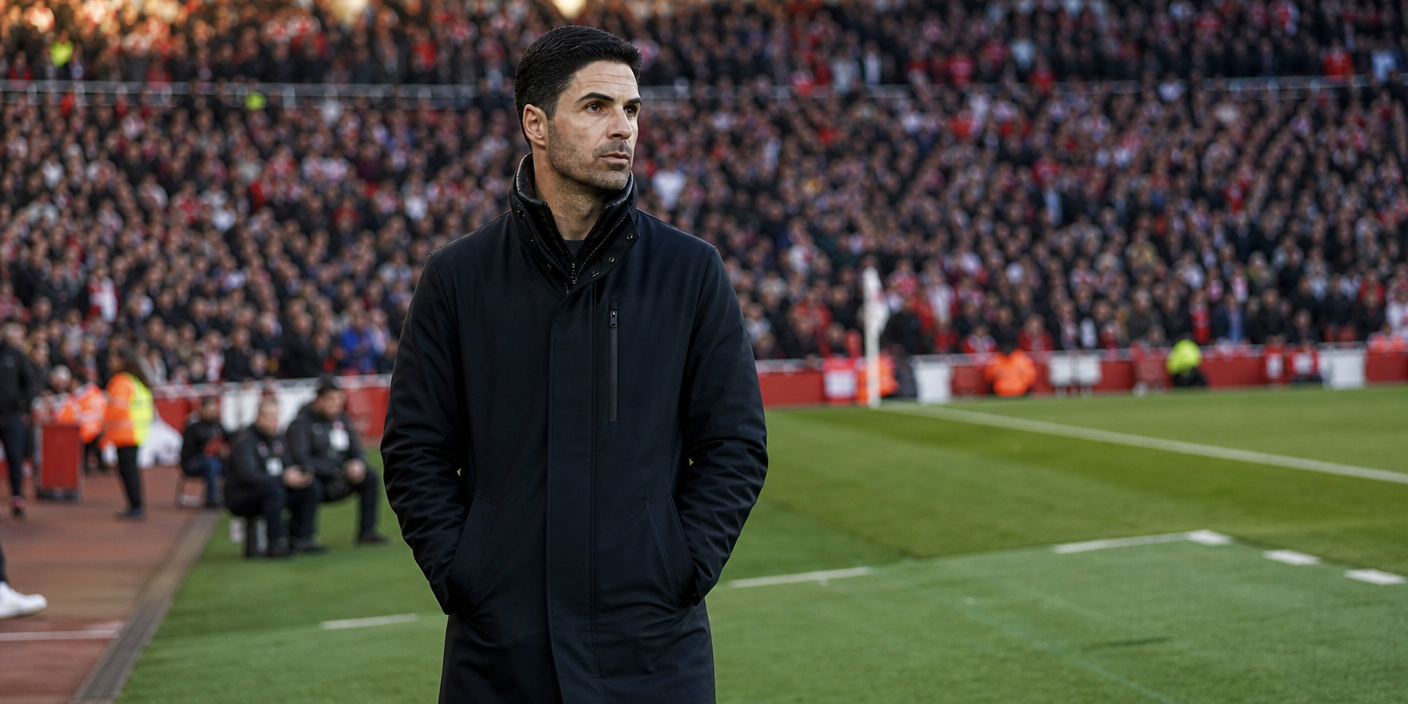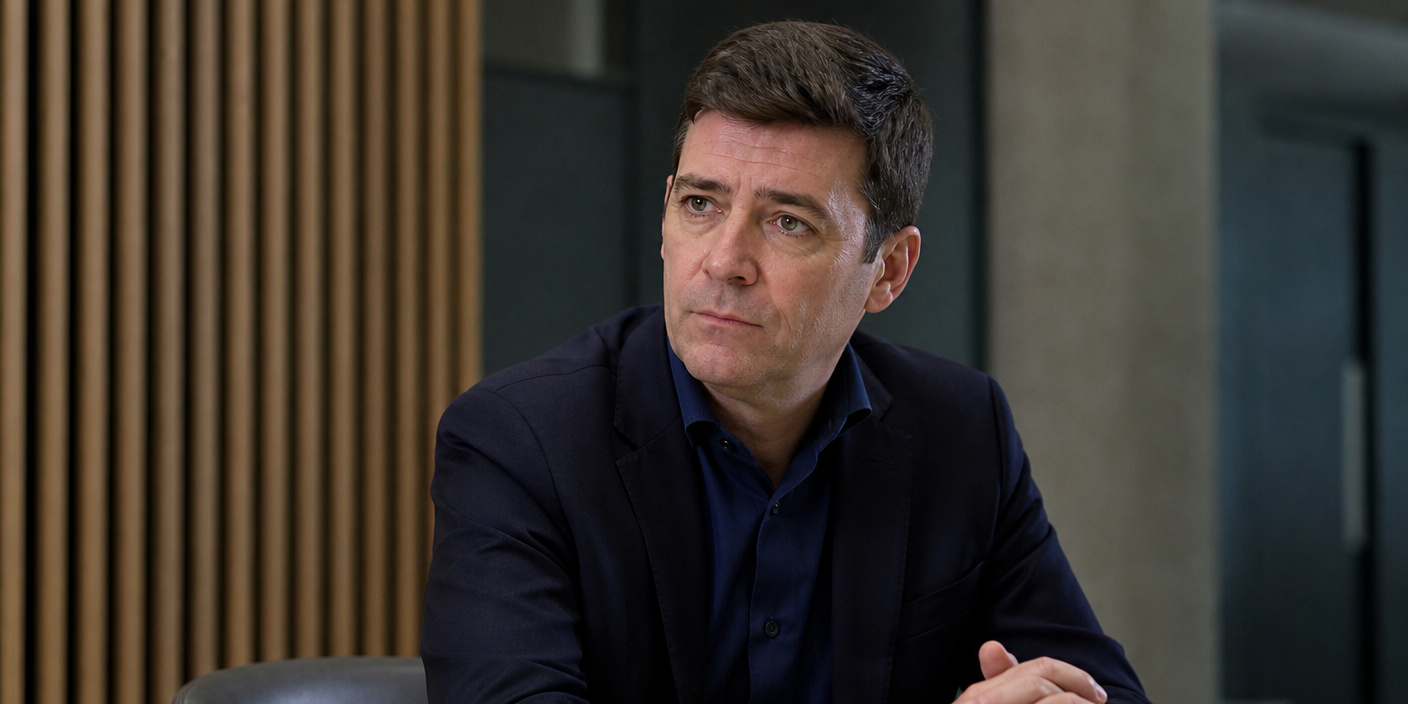

New Tottenham Hotspur manager Igor Tudor has delivered a stark message to his squad, presenting them with a clear choice: embrace a fighting mentality or succumb to tears. The ultimatum comes as Tudor seeks to instill a new level of grit and determination within the team, signaling a significant shift in the club’s culture under his leadership.
Key Highlights:
- Igor Tudor imposes a ‘fight or cry’ ultimatum on Tottenham players.
- The new manager aims to foster a resilient and determined team spirit.
- This message signals a potential culture change at the club.
- Tudor emphasizes the need for players to show mental fortitude.
Tudor Demands Resilience from Spurs Squad
The arrival of Igor Tudor as the new head coach of Tottenham Hotspur has been met with a clear and unyielding directive for the playing squad. In a move that underscores his no-nonsense approach, Tudor has reportedly told his players they must choose between a combative, fighting spirit or a path of lamentation. This stark message, delivered early in his tenure, signals a profound intention to reshape the mentality of the team, demanding a level of mental toughness and commitment that transcends individual performance.
The ‘Fight or Cry’ Philosophy
This polarizing statement from Tudor is not merely rhetoric; it is a philosophical bedrock upon which he intends to build his success at Tottenham. The essence of his message is to reject any form of self-pity or acceptance of defeat. Instead, he challenges his players to confront adversity head-on, to channel any frustration or disappointment into a relentless drive to overcome obstacles. The implication is that weakness and a tendency to dwell on setbacks will not be tolerated. Tudor is looking for warriors, individuals who will battle for every ball, every inch, and ultimately, for victory, regardless of the circumstances.
Culture Shift Under Tudor
For a club that has, at times, been perceived as lacking a certain steel, Tudor’s approach represents a deliberate attempt to foster a winning culture. His predecessor’s tenure was often characterized by flashes of brilliance interspersed with periods of inconsistency. Tudor’s focus appears to be on establishing a baseline of unwavering effort and a refusal to buckle under pressure. This is a significant departure from a more accommodating style, aiming to forge a squad that is not only tactically astute but also mentally indomitable. The players are being put on notice that their mental fortitude will be as crucial as their technical ability.
The Tactical Implications
Beyond the psychological aspect, Tudor’s demand for a ‘fighting’ mentality will inevitably translate into his tactical approach. Teams managed by Tudor are often known for their high-energy pressing, aggressive defensive strategies, and direct attacking play. This philosophy requires players to be physically conditioned and mentally prepared to operate at an intense level for the entire match. The players who embrace this ethos will likely find themselves central to his plans, while those who struggle to adapt may face a challenging future at the club. This ultimatum serves as an early indicator of the demanding environment Tudor is cultivating.
Player Responsibility
Tudor’s message also places a significant burden of responsibility on the individual players. He is not dictating the outcome of matches but is demanding a certain level of application and response from his squad. The choice to ‘fight’ is entirely within their control. It is a call to action, urging them to take ownership of their performance and their attitude. This empowerment, coupled with the stern warning against succumbing to negativity, aims to create a self-motivated and resilient group.
FAQ: People Also Ask
What is Igor Tudor’s coaching philosophy?
Tudor is known for his demanding, high-intensity coaching style, emphasizing physical fitness, aggressive pressing, and a strong mental attitude from his players. He often advocates for a direct and combative approach on the pitch.