Alex Scott, the dynamic AFC Bournemouth midfielder, has officially withdrawn from the England national squad after suffering a tendon injury during the team’s commanding 7-0 victory over Croatia. The injury, which has been described as significant enough to necessitate an immediate return to his club, leaves the Cherries facing a period of uncertainty as they prepare for the remainder of their Premier League campaign. With the prognosis suggesting a potential sidelining of ‘several weeks,’ medical teams are now working to determine the precise recovery roadmap for one of the league’s most promising young talents.
Key Highlights:
- Official Withdrawal: Alex Scott has departed the England camp to undergo intensive medical assessment at Bournemouth’s training facility.
- Injury Context: The midfielder sustained the tendon injury during a high-intensity 7-0 victory over Croatia, a match in which he was instrumental before being forced off.
- Expected Downtime: Initial reports confirm he faces a recovery period of several weeks, disrupting his club football rhythm.
- Tactical Impact: Bournemouth manager Andoni Iraola must now reshuffle his midfield rotation to compensate for the loss of Scott’s box-to-box energy.
The Tactical and Physical Void: Assessing the Impact
The timing of this injury is particularly challenging for both the player and his club. Alex Scott, who moved to AFC Bournemouth with significant expectations, has been finding his stride within Andoni Iraola’s high-pressing, aggressive tactical system. The loss of a midfielder who provides both defensive steel and progressive ball-carrying ability creates a distinct void in the lineup.
The Nature of the Injury and Recovery Protocol
Tendon injuries in professional football are notoriously delicate. Unlike a clean bone fracture or a simple ligament sprain, tendon issues often involve micro-tearing within the collagen fibers, requiring precise loading protocols to heal without risking chronic issues. The ‘several weeks’ prognosis is a standard initial assessment, but it requires caution. Physio teams at the Vitality Stadium will likely implement a three-phase recovery program. Phase one involves inflammation management and protected movement to prevent further degradation. Phase two will focus on eccentric loading—an essential component in strengthening the tendon under tension. Finally, Phase three will reintroduce full-intensity training. The danger with rushing a return to the Premier League pitch is the high risk of recurrence; therefore, Bournemouth’s medical staff will prioritize long-term structural integrity over a premature return to the squad.
Bournemouth’s Midfield Conundrum under Iraola
Andoni Iraola’s system at Bournemouth relies heavily on the physical conditioning of his midfield pairing. The transition from a defensive stance to an attacking press requires players who can cover significant distance. Scott’s absence forces Iraola to look at his depth chart. Does he lean into a more defensive-minded double pivot, or does he trust an attacking midfielder to drop deeper and assume the workload? This injury provides an opportunity for fringe players to prove their value, but there is no denying that the specific profile Scott offers—tactical intelligence combined with the stamina to drive the ball forward—is difficult to replicate. The next few weeks will test the squad’s resilience and tactical flexibility as they aim to maintain their league position without one of their primary engines.
The England Youth Pathway and Strategic Depth
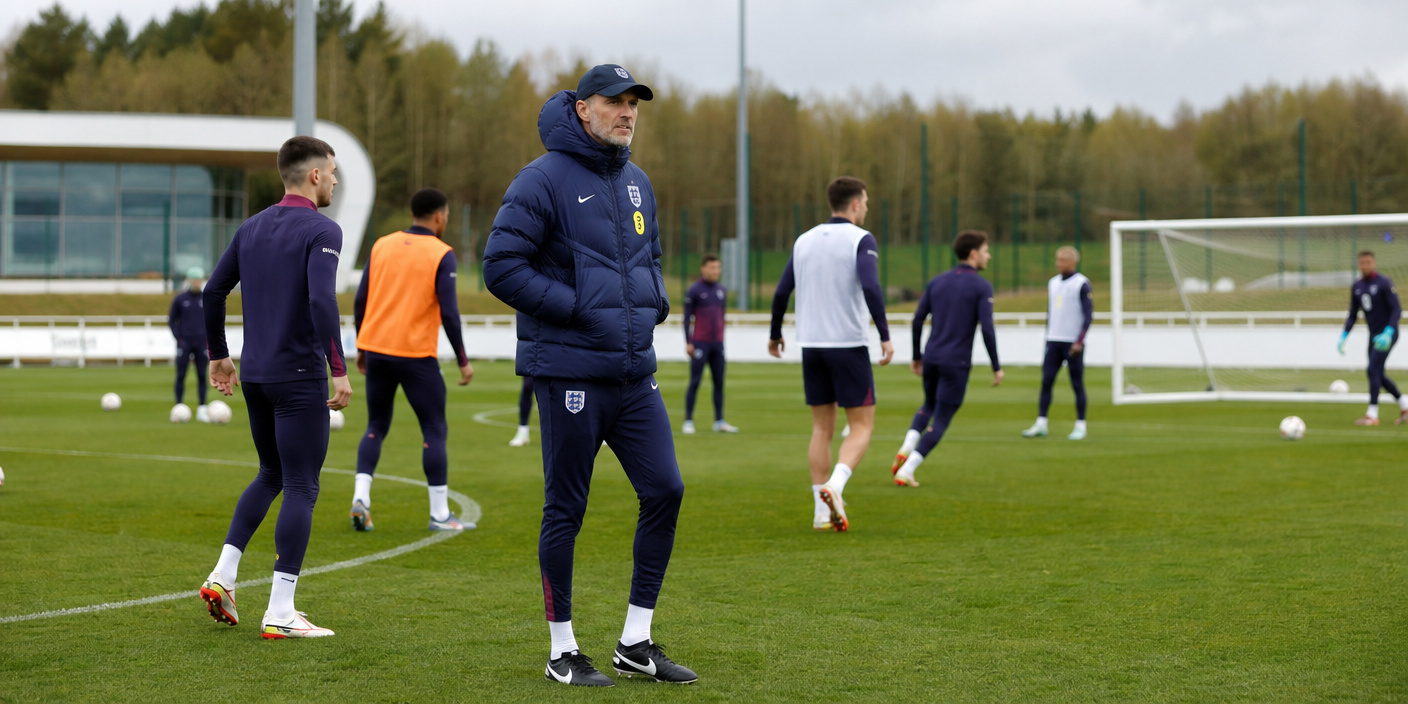
The England national setup views Scott as a vital component in their long-term midfield succession planning. Participating in these international fixtures—culminating in the 7-0 victory over Croatia—was seen as a crucial step for his development. Being forced to withdraw is a setback for his international ambitions, as consistent appearances are key to climbing the ladder toward senior international selection. However, the Football Association’s medical staff maintains a collaborative relationship with club teams, and the decision to release him was made with the clear priority of long-term health. The focus now shifts from national duty to professional rehabilitation, ensuring that when Scott does return to the pitch, he is fully capable of operating at the elite level required for both the Premier League and international competition.
FAQ: People Also Ask
1. How long is Alex Scott expected to be out?
Initial projections suggest a recovery period of ‘several weeks.’ However, the exact duration depends on the healing rate of the tendon and his response to rehabilitation protocols.
2. Will Alex Scott be available for the upcoming Premier League fixtures?
Given the need for several weeks of recovery and subsequent training, he is likely to miss the immediate run of fixtures following the international break. His return date will be confirmed following further clinical assessment by the Bournemouth medical team.
3. Was the injury sustained during a Premier League match?
No. According to the ground truth provided, the injury occurred during the international fixture where England secured a 7-0 victory against Croatia.
4. Who will replace Alex Scott in the Bournemouth lineup?
This remains the central question for manager Andoni Iraola. The club has depth in the midfield, and they will likely rely on their current squad rotation to fill the role while Scott undergoes his recovery program.