
The dust has settled on a dramatic UEFA Nations League group stage campaign, separating the continent’s tactical heavyweights from those left searching for answers. England has firmly established itself as a frontrunner, securing a prized position in the quarter-finals with a display of clinical efficiency that signals a new era of competitive dominance. Conversely, Germany has reclaimed its reputation for machine-like consistency, while the Netherlands have suffered a catastrophic collapse that has sent shockwaves through the Dutch footballing community. With the quarter-final draw officially set for November 20, 2026, the continent now turns its attention to the knockout stages, where tactical nuance and mental fortitude will determine the ultimate victor.
Key Highlights
- England’s Clinical Advancement: England secured a comfortable path to the quarter-finals, demonstrating tactical flexibility and superior squad depth that saw them dominate their respective group.
- Germany’s Renaissance: The German national team has signaled a return to top-tier form, showing tactical discipline and cohesive play throughout the group stage, making them a formidable threat heading into the draw.
- The Dutch Collapse: In a shocking turn of events, the Netherlands failed to meet expectations, exiting the competition after a series of inconsistent performances that have invited harsh criticism from fans and pundits alike.
- The Road Ahead: The official UEFA Nations League quarter-final draw is scheduled for November 20, 2026, which will determine the matchups for the spring fixtures.
The Changing Guard: Tactical Shifts and Nations League Realities
The UEFA Nations League has evolved into far more than a glorified series of friendlies; it has become a high-stakes proving ground for national teams looking to refine their tactical blueprints ahead of major international tournaments. The latest group stage conclusion serves as a stark reminder that momentum in football is ephemeral, and the gap between success and failure is often decided by moments of individual brilliance or systemic errors.
England’s Clinical Precision
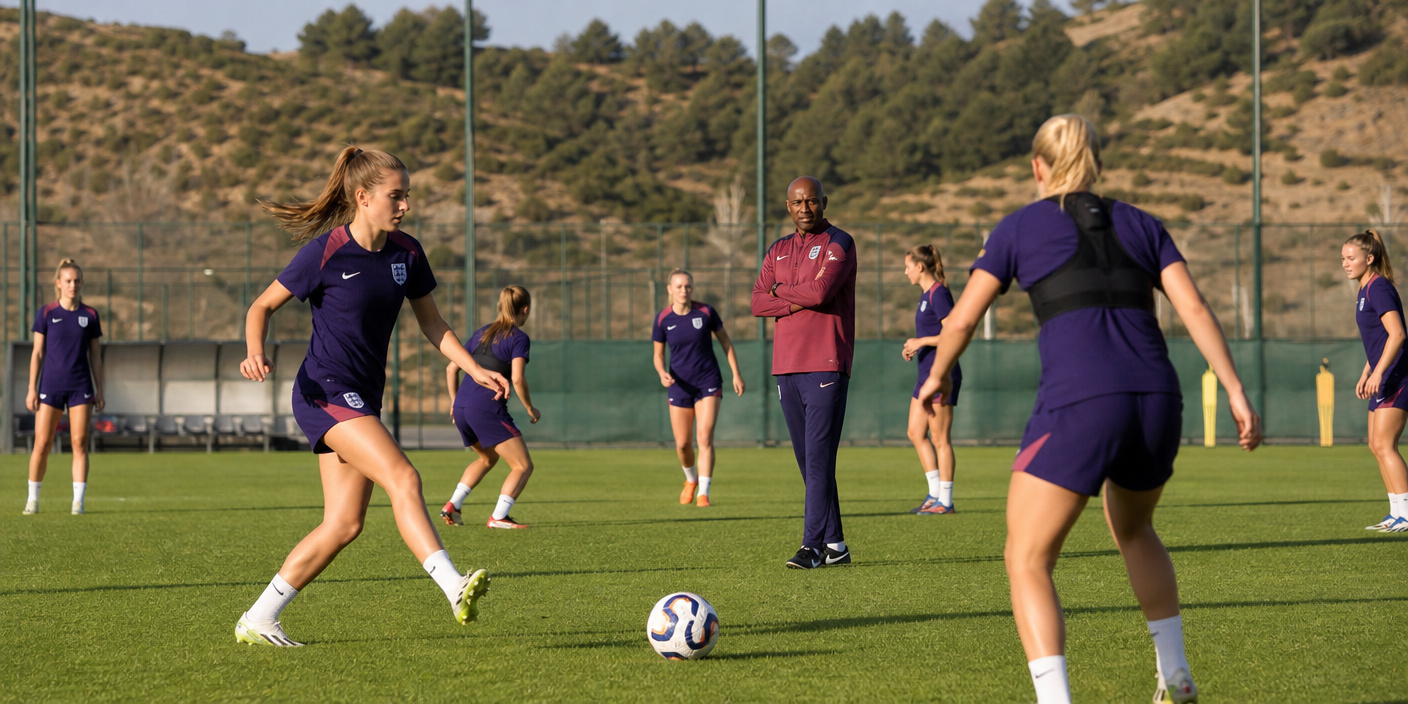
England’s performance in this campaign has been nothing short of exemplary. Critics who once pointed to the team’s struggles with controlling the tempo of games have been silenced by a new, more pragmatic approach. By dominating possession in critical areas and maintaining an aggressive high press, the English squad has managed to dismantle opponents with ruthless efficiency.
Key to this success has been the team’s adaptability. Throughout the group stages, we have observed a willingness to rotate the squad without losing intensity, a testament to the depth of talent available. The transition from defense to attack has been rapid and purposeful, often catching opponents off-balance. This tactical maturity suggests that England is no longer just a collection of star players, but a cohesive unit capable of executing complex strategies under pressure.
Germany’s Resurgence and Statistical Dominance
Germany’s resurgence has been one of the most compelling narratives of the 2026 season. After a period of transition, the German setup appears to have found the right balance between youthful energy and experienced leadership. Their statistical output—specifically in pass completion rates and high-press effectiveness—places them at the top of the European hierarchy.
What sets this iteration of the German team apart is their mental resilience. In several matches where they faced early setbacks, the team showed no signs of panic, instead opting to methodically dismantle the opposition’s structure. This ‘tournament DNA’ is precisely what makes them a terrifying prospect for any team entering the quarter-finals. The coaching staff has successfully implemented a high-intensity philosophy that demands constant movement, which, while physically taxing, has paid dividends in terms of goal creation and defensive solidity.
The Dutch Dilemma: Analysis of a Collapse
The Netherlands, historically a bastion of total football and tactical innovation, have found themselves in the eye of a storm. Their exit from the Nations League was not merely a result of bad luck but a reflection of deeper structural issues. Analysts have pointed to a disjointed defensive line and a lack of creative impetus in the final third as the primary catalysts for their underwhelming performance.
Perhaps the most concerning aspect for the Royal Dutch Football Association (KNVB) is the team’s inability to adapt mid-game. When faced with high-pressing opponents, the Dutch structure often crumbled, leading to exposed backlines and a reliance on individual moments of magic to save the day. This lack of tactical flexibility has been the defining feature of their ‘egg-laying’ performance in this cycle, creating a difficult environment for the players and mounting pressure on the coaching staff to justify their positions before the next international window.
Future Implications and the Economic Impact
The UEFA Nations League is not just a sporting event; it represents a significant economic driver for participating nations. Reaching the quarter-finals brings not only prestige but substantial revenue from television rights, matchday receipts, and increased sponsorship value. For the English and German federations, this progression validates their current investment in youth academies and tactical infrastructure.
Conversely, the Dutch exit serves as a financial and reputational warning. Participation in the later stages of the Nations League acts as a benchmark for FIFA world rankings, which subsequently influences tournament seeding. Missing out on the quarter-finals could have long-term consequences for the Netherlands’ path to future tournament qualification, potentially impacting their ability to secure favorable groupings in the next World Cup cycle.
As we look ahead to November 20, 2026, the atmosphere in Nyon, where the draw will take place, will be electric. The composition of the quarter-finals will dictate the narrative of the coming year. Will England maintain their momentum? Can Germany translate this Nations League form into major silverware? Or will the teams in the other pots rise to the challenge and upset the established order? One thing is certain: the landscape of European football is shifting, and the Nations League has proven once again that it is the most revealing metric of international health.
FAQ: People Also Ask
1. When is the UEFA Nations League quarter-final draw?
The official draw for the quarter-finals is scheduled for November 20, 2026. This event will determine the pairings for the upcoming knockout round, setting the stage for the road to the trophy.
2. Which teams have performed the best so far?
England and Germany have emerged as the standout performers, demonstrating superior tactical organization, goal-scoring efficiency, and consistent defensive stability throughout the group stages.
3. Why did the Netherlands struggle in this campaign?
The Netherlands faced significant challenges, including tactical rigidity, a lack of defensive cohesion, and an inability to adjust their strategy against high-pressing opponents. These factors contributed to their premature exit from the competition.
4. Does the Nations League impact future tournament qualification?
Yes. Performance in the UEFA Nations League significantly impacts FIFA world rankings and UEFA coefficient points. These factors determine team pots for future World Cup and European Championship qualifying draws, making performance in this competition critical for long-term success.