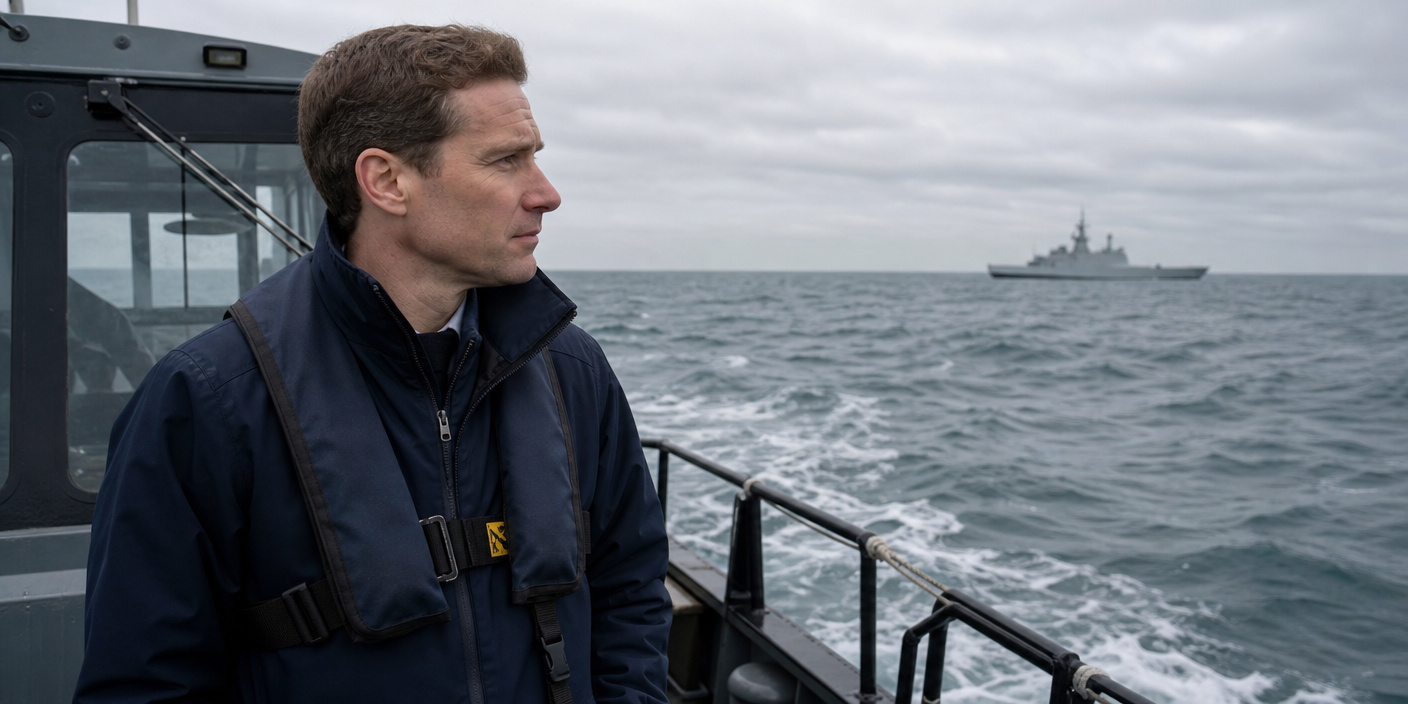
Conservative MP Chris Philp has sparked a significant diplomatic dispute following allegations that a French navy vessel discharged warning shots in the vicinity of his boat while he was observing migrant crossing routes in the English Channel. The MP, who has been a vocal critic of the government’s handling of the small boats crisis, claims the maneuver was an intentional effort to obstruct his documentation of the maritime activity. This incident has reignited debates regarding the operational coordination between British and French maritime forces and the transparency of surveillance operations in one of the world’s busiest shipping lanes.
Key Highlights
- Conservative MP Chris Philp accused the French navy of firing warning shots near his vessel during an independent observation mission.
- The event reportedly occurred in the English Channel while Philp was documenting illegal small boat crossings.
- Philp characterizes the action as a deliberate, aggressive maneuver intended to prevent the documentation of maritime transit routes.
- The allegation has drawn attention to the complex relationship between the UK and France regarding border sovereignty and maritime safety protocols.
Diplomatic Flashpoint: Maritime Confrontation in the Channel
The English Channel serves as more than just a critical trade route; it has become a geopolitical frontline. For Conservative MP Chris Philp, a mission to document the reality of the small boats crisis—a cornerstone of recent UK immigration policy debates—turned into a potential international incident. Philp’s account suggests that as he positioned his vessel to monitor the flow of migrant crossings, he was approached by a French naval asset. According to the MP, the vessel proceeded to discharge warning shots in close proximity to his boat. This claim, if substantiated, touches upon several sensitive areas of international maritime law and diplomatic protocol.
The Mechanics of Maritime Sovereignty
The English Channel is governed by complex regulations, including the United Nations Convention on the Law of the Sea (UNCLOS). Within territorial waters, sovereign nations possess the right to enforce laws and maintain security. However, when incidents involve vessels from two different sovereign nations, the lines of engagement and communication become blurred. The French maritime authorities, known for conducting rigorous patrols to manage the migrant crisis, operate under strict rules of engagement. When an MP claims these rules were utilized to intimidate or obstruct, it shifts the narrative from a standard policing matter to one of political friction.
Legal experts note that while firing warning shots is a recognized, albeit extreme, measure to compel a vessel to halt or divert, the necessity and proportionality of such an action are subject to scrutiny. If Philp’s vessel was in international waters or in a region where transit rights are protected, the French actions could theoretically be challenged. Conversely, if the French navy perceived the MP’s vessel as an obstruction to their own operational or safety objectives, the incident becomes a matter of interpreting conflicting maritime priorities.
The Broader Political Context of the Small Boats Crisis
The political stakes surrounding the English Channel crossings cannot be overstated. For years, the small boats crisis has dominated domestic policy in the UK, influencing elections, trade negotiations, and the internal strategy of the Conservative Party. Chris Philp’s presence in the Channel was part of an effort to provide firsthand oversight of the routes taken by migrants, a tactic that some observers view as a necessary step toward accountability, while others argue it borders on performative politics that complicate the sensitive cooperation required between the UK and France.
This incident highlights the fragility of the Anglo-French partnership. Both nations rely on a high level of information sharing and patrol coordination to manage the Channel. When domestic political figures become directly involved in these maritime operations, they risk upending the delicate balance of operational trust. The French government, which faces its own internal political pressures regarding the migrant crisis, likely views such interventions with skepticism, viewing them as unwanted interference in their sovereign duty to manage their coastline and waters.
Evaluating the Risks of Independent Oversight
As the debate continues, the incident raises a fundamental question: what is the appropriate role for an elected representative in active maritime policing zones? While freedom of navigation and the right to observe and record are protected, the Channel is a high-risk environment. Cargo ships, patrol boats, and small, unseaworthy vessels coexist in a narrow, volatile space. When civilian vessels—even those carrying members of parliament—venture into these zones without coordination, they inherently increase the risk of misunderstanding or collision.
Moving forward, the incident may necessitate a more formalized agreement on how the UK and France handle third-party observers. Without clear guidelines, independent missions, whether for journalistic or political purposes, are susceptible to being interpreted as security threats. The future of Channel security requires not only physical patrol assets but also a robust diplomatic framework that prevents political incidents from escalating into a bilateral crisis.
FAQ: People Also Ask
Has there been official corroboration of the firing of shots?
As of the time of reporting, there has been no comprehensive release of official French maritime logs or independent corroboration from neutral observers in the vicinity. The event remains a matter of conflicting accounts between the MP’s claims and the expected standard operating procedures of the French navy.
What are the standard rules of engagement for French naval patrols in the Channel?
French maritime patrols are authorized to use signal flares, non-lethal deterrents, and, in extreme scenarios involving security threats or refusal to comply with navigational orders, warning shots. These actions are generally reserved for high-risk situations, such as suspected trafficking operations or vessels interfering with legitimate maritime transit.
How does this event impact UK-France diplomatic relations?
This incident adds another layer of complexity to a relationship already strained by the logistics of the small boats crisis. While both countries remain committed to reducing illegal crossings, individual events that imply a lack of professional cooperation can create political headwinds that make long-term policy agreements more difficult to maintain.