Seven lives, including two police officers, were tragically cut short in a devastating head-on collision near Middlesbrough, sending shockwaves through the community and raising urgent questions about police pursuit protocols on UK roads. The incident, which occurred following a high-stakes police chase, has left the region in mourning and authorities grappling with the catastrophic consequences of a vehicle operating on the wrong side of the carriageway. As the investigation deepens, the focus has shifted toward the intersection of law enforcement duty, the inherent risks of high-speed pursuits, and the heartbreaking loss of those serving the public.
Key Highlights
- Fatalities: Seven individuals lost their lives, including two serving police officers who were responding to the incident.
- Incident Context: The collision occurred following a police pursuit, with one vehicle reportedly traveling on the wrong side of the road.
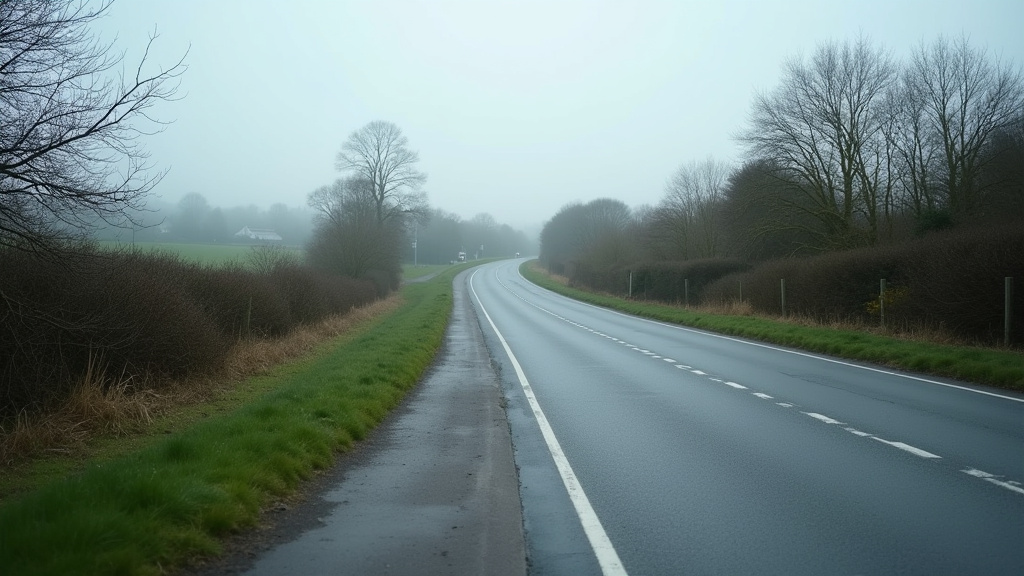
- Location: The tragedy took place on the A177, near Stockton-on-Tees and Middlesbrough.
- Investigation: The Independent Office for Police Conduct (IOPC) has launched a mandatory investigation to determine the actions taken by police prior to the crash.
Anatomy of a Tragedy: The A177 Collision Investigation
The collision on the A177 has become a focal point of national concern, illustrating the extreme dangers inherent in modern policing. The event unfolded with rapid intensity, involving a police-led pursuit that ended in a catastrophic head-on collision. For the victims, including the two officers, the impact was immediate and fatal. The sheer velocity and the wrong-side nature of the maneuver left little margin for error or avoidance, resulting in a scene that emergency responders described as harrowing.
The Mechanics of the Pursuit
Central to the unfolding investigation is the decision-making process that led to the pursuit. Under standard UK police guidelines, officers are trained to conduct a dynamic risk assessment before and during any chase. They must weigh the necessity of apprehending a suspect against the potential threat to the public, the officers themselves, and the suspect. This ‘risk-benefit’ analysis is not merely a theoretical exercise; it is a split-second calculation that, in this instance, resulted in a tragic outcome. The IOPC is currently analyzing dashboard camera footage, radio logs, and telematics from the police vehicles involved to reconstruct the exact timeline of events. They aim to determine if the pursuit remained compliant with force policies, or if the progression of the chase exacerbated the risk that ultimately claimed seven lives.
The Impact on Local Policing and Community
Beyond the forensic investigation lies the profound human cost. The loss of two police officers has devastated the local force, striking at the core of the service’s morale. These officers were not just enforcement personnel; they were integral members of the community, committed to public safety. The community reaction has been one of deep sorrow, with local residents and officials calling for a comprehensive review of the stretch of road where the incident occurred. The A177, while a vital artery for the region, has now become a site of collective trauma. Tensions are high as residents demand answers: Why was the pursuit permitted to continue? Were the safety measures in place sufficient for the prevailing traffic conditions? The police force is now operating under a cloud of grief while simultaneously cooperating with the external oversight body to ensure complete transparency.
Balancing Enforcement with Public Safety
This disaster serves as a sobering catalyst for a broader debate on road safety and pursuit regulations. Critics and safety advocates are questioning whether the current technological capabilities of law enforcement—such as spike strips or more advanced vehicle-disablement technology—should be prioritized over active, high-speed following. While the law must be upheld, the prevailing sentiment in the aftermath of this tragedy is that no enforcement action should prioritize a suspect’s apprehension over the sanctity of life. As the IOPC continues its work, the findings will likely influence national standards for police driver training and pursuit authorization protocols for years to come. This incident is not just a statistical anomaly; it is a mirror reflecting the delicate balance that law enforcement must maintain every day, a balance that, when disrupted, carries a price that cannot be repaid.
FAQ: People Also Ask
What is the role of the IOPC in this investigation?
The Independent Office for Police Conduct (IOPC) is an independent body that oversees the police complaints system in England and Wales. In cases where a death occurs following police contact, a referral to the IOPC is mandatory. Their role is to independently investigate whether police officers acted within the law and followed force policies, ensuring that there is accountability and transparency without police self-policing.
How often do police pursuits result in fatal collisions?
While high-speed pursuits are a common policing tactic to stop fleeing suspects, fatal outcomes are relatively rare due to strict training. However, when they do occur, they are subject to intense public and legal scrutiny. Most police forces have ‘no-pursuit’ policies for certain high-risk situations, such as when public safety is clearly compromised.
Will the findings of the investigation be made public?
Yes. Following the completion of the IOPC investigation, a final report is typically produced. While specific sensitive information may be redacted, the overarching findings, any recommendations for improvements in training or policy, and determinations regarding officer conduct are generally shared with the public and the coroners’ inquest process.