The Intelligence Assessment and Strategic Security
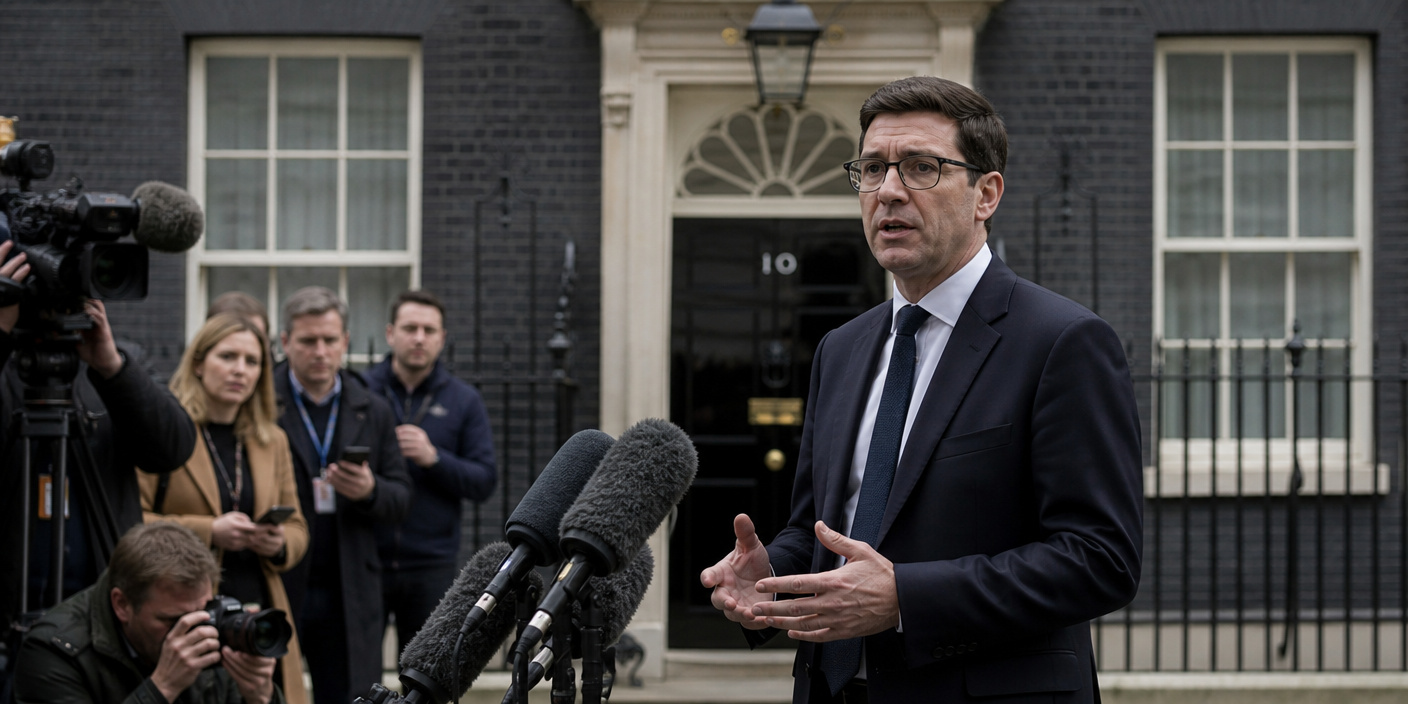
Prime Minister Andy Burnham has signaled a major escalation in national security tensions, revealing “strong indications” of Iranian state involvement in an ongoing terror investigation at RAF Fairford. This alarming disclosure comes in the wake of the arrest of five men on suspicion of terrorism-related offenses over the weekend, an event that has triggered immediate defensive protocols across the United Kingdom’s sensitive military infrastructure.
RAF Fairford, a critical strategic site in Gloucestershire often used by the United States Air Force for B-52 bomber rotations and sensitive operations, is now the epicenter of a multi-agency inquiry involving the Metropolitan Police’s Counter Terrorism Command and the Ministry of Defence. The investigation is examining the extent to which a foreign power may have orchestrated, facilitated, or provided material support for the alleged plotters.
The Investigation Timeline and Legal Status
The operation began late last week when intelligence reports flagged suspicious activity near the perimeter of the base. Following a coordinated response, five men were taken into custody on suspicion of preparing acts of terrorism. While the individuals have since been released on bail pending further inquiries, their release does not signal a closure of the file. Legal experts indicate that in cases of this magnitude—involving potential state-sponsored actors—bail conditions are often strictly monitored, and the investigation remains highly active and fluid.
Investigators are currently combing through digital forensics, encrypted communications, and travel histories to establish a concrete link between the detained individuals and Iranian state assets. The term “strong indications” used by the Prime Minister suggests that intelligence agencies have moved beyond mere suspicion to a level of assessment that warrants direct public address, a move typically reserved for imminent or high-level security threats.
Geopolitical Ramifications and Diplomatic Denial
The immediate aftermath of the Prime Minister’s announcement has been a predictable and swift backlash from Tehran. Iranian diplomatic channels have issued an angry denial, characterizing the accusations as a “baseless fabrication” designed to distract from domestic political pressures within the UK. This rhetoric is consistent with the heightened state of diplomatic friction between London and Tehran over issues ranging from naval interceptions in the Gulf to the status of dual-national detainees.
However, the UK government is maintaining its position. Security analysts suggest that this confrontation is part of a broader “grey zone” conflict, where adversarial states test the resilience of NATO infrastructure through proxy operations rather than overt aggression. The targeting of RAF Fairford—a base inherently connected to US power projection in Europe—is viewed by Western officials as a signal of intent by state-sponsored actors to demonstrate surveillance or sabotage capabilities.
Secondary Angles: Analyzing the Threat Landscape
1. The Vulnerability of Strategic Infrastructure
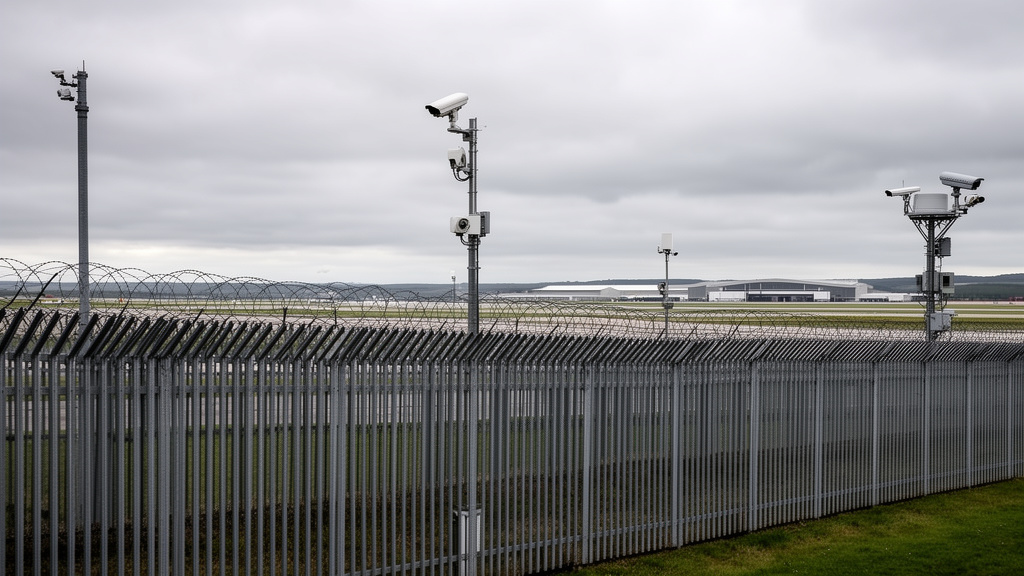
This investigation highlights a pressing concern for the Ministry of Defence: the vulnerability of “dual-use” airbases. RAF Fairford often hosts international aircraft and personnel, making it a complex environment for security teams. The incident forces a re-evaluation of perimeter security technologies, including the use of drone countermeasures, AI-driven surveillance, and the integration of signals intelligence to detect hostile actors before they approach restricted zones.
2. Navigating the ‘Grey Zone’ in Counter-Terrorism
Traditional counter-terrorism strategies were built to tackle non-state ideological cells. The alleged Iranian link forces a paradigm shift. When a state actor is suspected of fueling a plot, the diplomatic and military response must be calibrated carefully to avoid outright kinetic conflict while effectively deterring future incursions. The intelligence community is currently weighing the cost-benefit of imposing further sanctions against specific Iranian entities versus keeping channels of communication open to de-escalate.
3. The ‘Bail-Pending’ Legal Strategy
From a legal perspective, the release of the five suspects is a strategic choice rather than a sign of innocence. By keeping suspects on bail under intense surveillance, investigators can often map the wider support network—the financiers, the logistics handlers, and the handlers of the alleged plot—rather than moving to immediate prosecution which might tip off other members of the cell. This method is high-risk but often yields the intelligence required to dismantle the entire operation.
FAQ: People Also Ask
1. Why is RAF Fairford considered a sensitive site?
RAF Fairford is one of the few airfields in the UK capable of supporting heavy strategic bombers, such as the USAF B-52 Stratofortress. Its unique role as a Forward Operating Location for US strategic assets makes it a high-value target for foreign intelligence and potential saboteurs.
2. What does it mean when suspects are released on bail in a terrorism investigation?
It does not imply innocence. In complex national security cases, authorities often release suspects under strict bail conditions (such as tagging, travel bans, and regular reporting) to allow surveillance teams to observe their contacts, thereby exposing the full network involved in a plot.
3. How has the international community reacted to the Iranian link allegations?
While Iran has denied the claims, key NATO allies, including the United States, have expressed solidarity with the UK. The situation is being monitored closely by intelligence agencies in Europe, as it potentially signals a new trend of state-sponsored testing of Western base defenses.