As the autumnal chill descends upon the capital, London transforms into an unrivaled hub of artistic, cinematic, and culinary innovation. October 2026 is shaping up to be a defining month for the city’s cultural calendar, with established festivals and emerging exhibitions converging to create a vibrant atmosphere that attracts both local enthusiasts and international visitors. This period marks the transition from the bustling summer tourism phase to a more sophisticated, content-heavy season, making it arguably the best time to experience the authentic energy of the metropolis.
Key Highlights
- Frieze London at Regent’s Park: The world’s leading contemporary art fair returns, bringing together international galleries and curators to redefine the global art market.
- BFI London Film Festival: The capital hosts one of the most significant film festivals in Europe, with venues ranging from the South Bank to the West End, showcasing premiere screenings and industry networking.
- London Restaurant Festival: A month-long culinary celebration featuring tasting menus, restaurant tours, and exclusive chef collaborations that highlight the diversity of the London dining scene.
The Autumnal Metropolis: A Deep Dive into October 2026
London in October is a study in contrasts. The crisp, cooler weather drives the city’s energy indoors—into galleries, cinema halls, and historic dining rooms—creating an atmosphere of intimacy and cultural immersion. The events scheduled for October 2026 represent not just leisure, but major economic and social pillars that keep the city at the forefront of global trends. For the planner, understanding the cadence of these events is essential for navigating the capital effectively.
Art and Innovation: The Frieze Effect
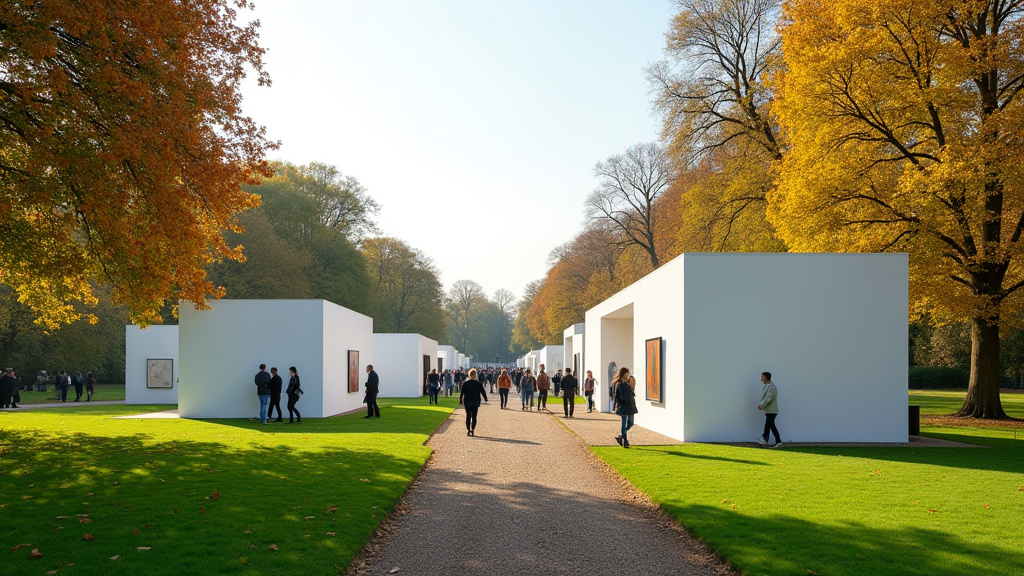
Perhaps the most visually arresting event in the October calendar is Frieze London. Set against the verdant backdrop of Regent’s Park, the fair serves as a barometer for the contemporary art market. In 2026, the focus shifts heavily toward digital-physical hybridization, with installations that challenge traditional exhibition spaces. The economic impact of Frieze is substantial; it is estimated that the week-long event generates millions in related tourism spending, benefiting hotels, high-end boutiques, and transport infrastructure in central London. For attendees, the key is planning: securing gallery passes in advance and utilizing the nearby Tube stations—Regent’s Park and Great Portland Street—which see a marked increase in foot traffic during this period.
Cinematic Excellence: The BFI London Film Festival
Running concurrently with the broader autumn cultural surge, the BFI (British Film Institute) London Film Festival remains the undisputed highlight for cinephiles. Spanning diverse venues across the city, the festival has evolved beyond simple screenings into a critical industry platform. The 2026 edition promises a curated selection of global features, documentaries, and experimental short films. The strategy for the seasoned festival-goer involves mapping out the South Bank venues (including the BFI Southbank) and the West End premieres early. As digital ticketing systems become more integrated, the ‘rush’ for tickets has become a precise science, rewarding those who monitor the BFI’s official releases starting in September.
Culinary Journeys: The London Restaurant Festival
While art and film dominate the cultural discourse, the London Restaurant Festival (LRF) provides the literal sustenance for the season. The LRF is less a single event and more a pervasive, month-long experience. It democratizes the city’s fine dining scene, offering ‘tasting tours’ that allow visitors to sample dishes from multiple acclaimed kitchens in a single evening. In 2026, there is a distinct trend toward sustainable and farm-to-table practices, with the festival highlighting chefs who are pioneering carbon-neutral kitchen operations. This serves as a fascinating angle on the local economy: the festival encourages movement away from tourist-traps and toward the independent restaurants that define London’s current culinary identity.
The Secondary Angles: Tourism, Infrastructure, and History
Beyond the headline events, there are critical secondary factors to consider for October 2026. First, the ‘Shoulder Season’ Economic Impact: Historically, October acts as a stabilizer for the tourism industry. While summer numbers dwindle, the influx of high-net-worth individuals for events like Frieze keeps the luxury hospitality sector robust. Second, the Infrastructure Role: The integration of the Elizabeth Line has fundamentally altered how attendees navigate these events. What once took 45 minutes across the city can now be achieved in 20, effectively expanding the ‘cultural reach’ of the city center. Finally, the historical pivot: London’s autumn has always been a time for the opening of the theatrical and museum ‘season.’ This isn’t just about modern festivals; it’s a continuation of a century-old tradition where London’s cultural institutions unveil their most prestigious programming of the year.
FAQ: People Also Ask
Q: How far in advance should I book tickets for the BFI London Film Festival?
A: Tickets for BFI members typically go on sale in early September, with public sale following shortly after. Given the festival’s popularity, high-profile premieres often sell out within hours, so early registration on the BFI official portal is strongly advised.
Q: What is the best way to travel between event venues in October?
A: The most efficient method is the London Underground and the Elizabeth Line. The Elizabeth Line has significantly reduced travel times between the West End and the Docklands, making it the preferred choice for those hopping between events. Always carry a contactless payment method or an Oyster card for seamless travel.
Q: Is October considered a peak tourist month in London?
A: October is considered a ‘shoulder season’ month. While hotel prices are generally more stable than during the summer peak (July/August), prices can spike during major events like Frieze London. Booking accommodation at least three months in advance is recommended for these specific weeks.
Q: Are there outdoor events worth attending in October?
A: While the weather can be unpredictable, October remains pleasant enough for outdoor events, such as the seasonal activations in the Royal Parks or the early Halloween-themed markets in areas like Covent Garden. Always check the Met Office forecast and bring layers.