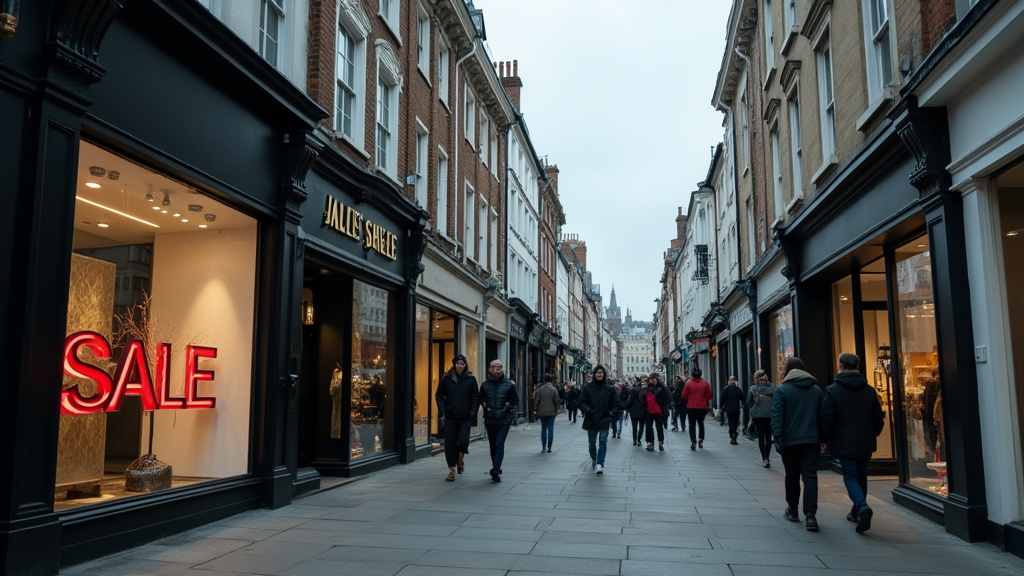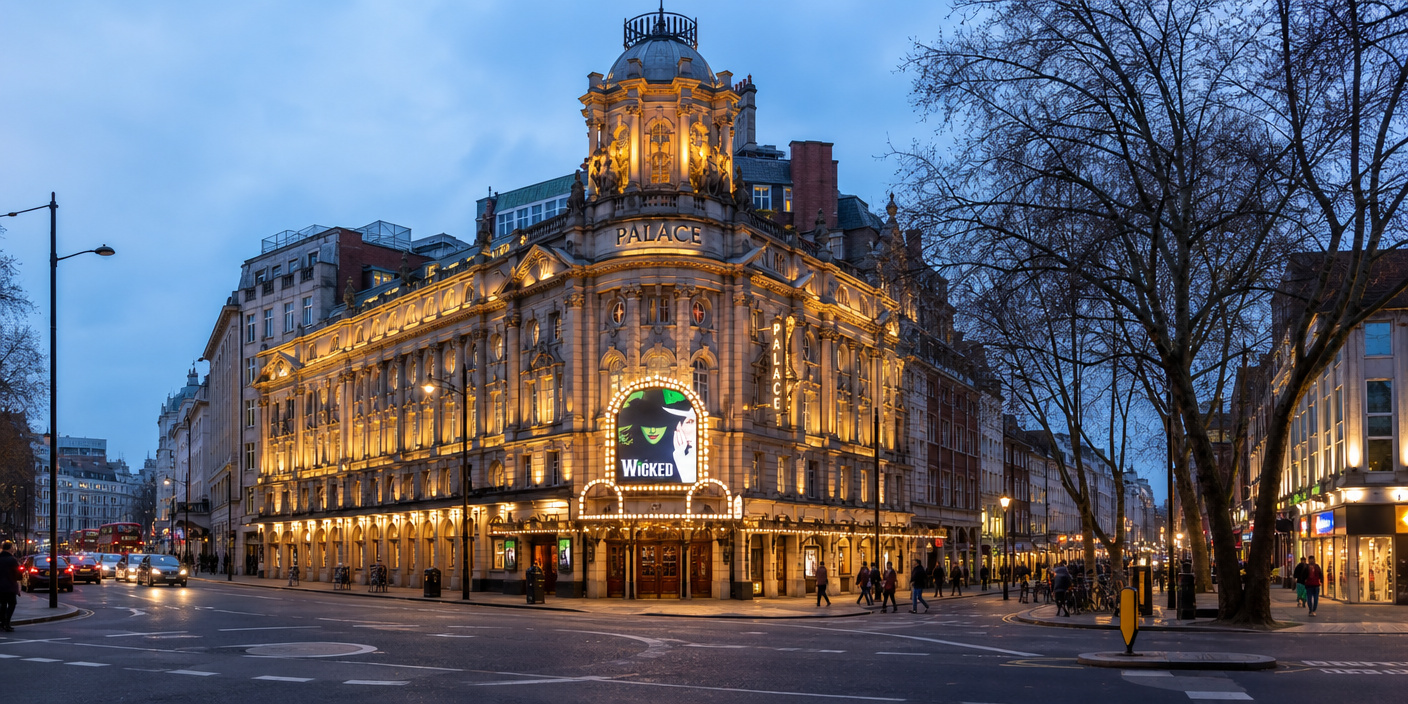
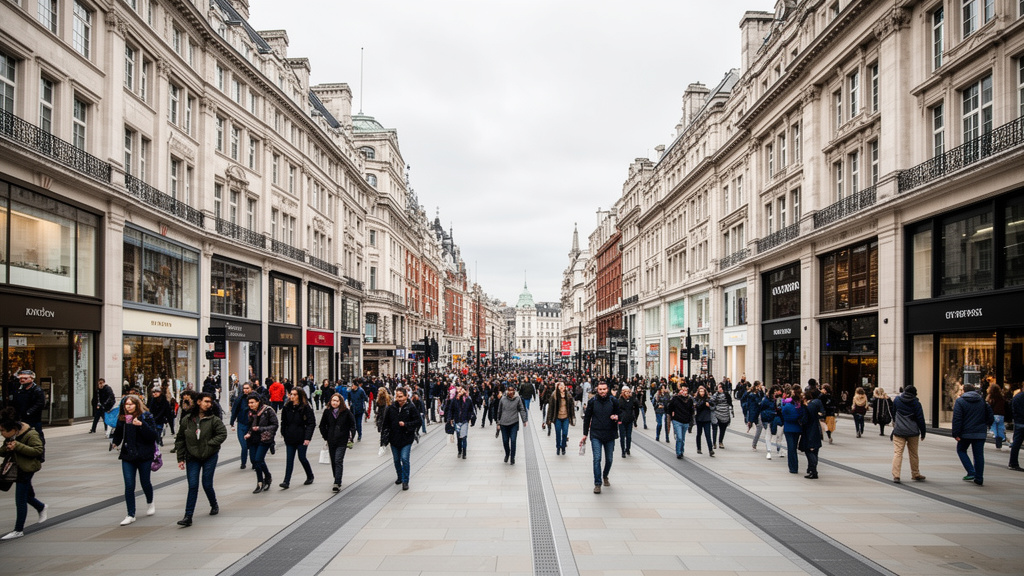
The iconic Oxford Street is on the precipice of its most significant transformation in a century. For decades, the thoroughfare has been a chaotic intersection of global commerce, heavy bus traffic, black cabs, and a constant stream of disgruntled pedestrians navigating narrow sidewalks. That era is coming to a definitive end. Starting October 26, 2026, a 1.2-mile stretch of the famous shopping destination will be closed to all vehicle traffic—including buses, taxis, and cyclists—marking a cornerstone of Mayor Sadiq Khan’s second-term urban planning legacy. This is not merely a change in traffic flow; it is a fundamental reimagining of London’s ‘high street’ identity.
The Mechanics of the 2026 Mandate
The plan, spearheaded by a newly established Mayoral Development Corporation, seeks to reclaim the road for the pedestrian, prioritizing air quality and safety over the relentless, congested throughput that has defined Oxford Street for decades. The scope of the project covers the core retail heart of the street, effectively turning it into a pedestrian-first zone.
From the perspective of Transport for London (TfL), this is a gargantuan logistical undertaking. Rerouting the dozens of bus routes that currently utilize the street requires a level of network synchronization that has not been attempted on this scale in central London before. The 1.2-mile corridor, stretching through the city’s primary retail district, will act as the testing ground for a ‘destination-first’ urban model. Proponents argue that by removing the noise and pollution of combustion engines, the street will become a magnet for tourists and locals alike, transforming from a transit corridor into an experiential destination.
The Retail Struggle: Can Design Save Sales?
Oxford Street has long been suffering from the ‘high street malaise’—a mix of declining brick-and-mortar sales, the rise of e-commerce, and the presence of low-quality discount stores that have chipped away at its prestige. The economic argument for pedestrianisation is that it creates a ‘dwell-friendly’ environment. When people are not constantly dodging side-mirrors or inhaling diesel fumes, they spend more time in storefronts.
However, retail analysts remain cautious. While pedestrianisation has been successful in cities like Paris and Barcelona, those streets were often integrated into wider walking networks. Critics point out that without significant investment in public amenities, art installations, and curated retail experiences, simply removing cars will not solve the fundamental structural issues facing modern retail. If Oxford Street becomes a barren strip of pavement without a strategy to attract high-end, experiential tenants, the pedestrianisation could backfire, creating an expensive, wind-swept void rather than a bustling urban piazza.
The Logistics Nightmare: Buses, Taxis, and the ‘Squeeze’ Effect
One of the most vociferous criticisms of the plan comes from accessibility advocates and transport unions. The removal of buses—which are the primary mode of transit for many elderly and disabled shoppers—raises significant questions about equitable access. If the closest drop-off point is several blocks away, the ‘pedestrian-friendly’ zone effectively becomes a barrier to those with limited mobility.
Furthermore, there is the ‘displacement effect.’ Traffic doesn’t simply disappear; it migrates. By plugging the major artery of Oxford Street, local traffic planners anticipate a temporary, if not permanent, increase in congestion on surrounding parallel streets, such as Wigmore Street and Brook Street. The success of the project will depend entirely on TfL’s ability to manage this pressure. If the surrounding residential and commercial areas seize up, the political backlash could be severe, potentially threatening the long-term viability of the project before it has the chance to yield dividends.
Historical Context and Future Proofing
Historically, Oxford Street has always been a reflection of London’s transit needs—first as a Roman road, then a medieval route, and eventually the transit artery for the modern era. Breaking this cycle is a radical act of civic courage. Looking at global parallels, New York City’s experience with Broadway’s pedestrianisation in Times Square offers a hopeful precedent. While initially met with immense skepticism from cab drivers and local businesses, it resulted in increased foot traffic, lower accident rates, and, eventually, a revitalization of the area’s commercial property value.
Whether London can replicate this success in 2026 depends on the execution. A 1.2-mile stretch is significant. If Mayor Khan’s team can successfully integrate green spaces, micro-mobility hubs on the perimeter, and, critically, reliable transit connectivity that doesn’t alienate the less mobile, this project could become the global blueprint for the post-retail city. If it fails, it risks becoming an urban planning cautionary tale, an expensive reminder that city streets are more than just sidewalks—they are the veins through which the city’s economy flows.
FAQ: People Also Ask
1. Q: Will the October 2026 date affect access to the Underground?
A: Yes, all Underground station entrances along the affected 1.2-mile stretch of Oxford Street will remain fully operational. The pedestrianisation plan focuses strictly on surface-level road traffic (buses, taxis, and private vehicles).
2. Q: How will the city handle the displaced bus traffic?
A: Transport for London (TfL) has indicated that bus routes will be truncated or diverted to parallel streets. The agency is currently running extensive modeling simulations to ensure that the surrounding road network can absorb the rerouted volume without creating gridlock.
3. Q: Is this a permanent change or a trial?
A: The announcement by Mayor Sadiq Khan is positioned as a permanent urban design shift, not a temporary trial. The creation of a Mayoral Development Corporation indicates a long-term administrative commitment to maintaining the car-free status of this district.