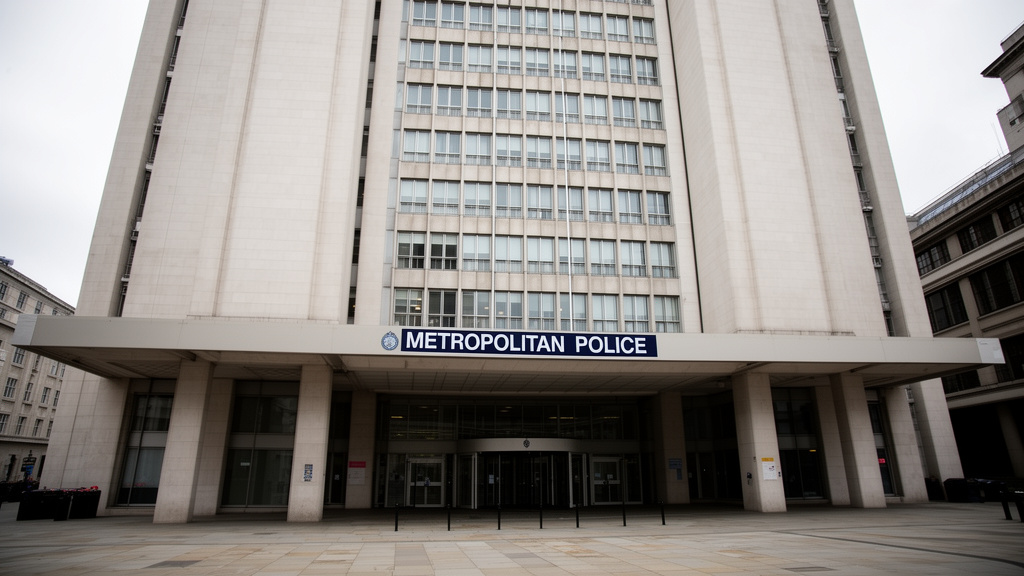
The Metropolitan Police have formally apologized following a significant data breach in which the email addresses of 140 individuals reporting sexual abuse allegations against the late Harrods owner, Mohamed Al-Fayed, were mistakenly exposed. The breach, which occurred on August 11, has sparked widespread concern regarding the force’s ability to maintain the confidentiality and safety of survivors engaging with the legal system. As the investigation into the allegations surrounding the late billionaire continues, this operational failure has prompted an internal investigation within the force to determine how such a fundamental security lapse occurred during the handling of sensitive case-related communications.
Key Highlights
- Nature of the Breach: A human error involving a mass email communication resulted in the unauthorized exposure of 140 email addresses belonging to individuals connected to the Al-Fayed investigation.
- Date of Occurrence: The security incident took place on August 11, drawing immediate criticism from privacy advocates and survivor support groups.
- Official Response: The Metropolitan Police have issued a formal apology and have launched an internal investigation into the procedural failure.
- Procedural Failure: The incident appears to have stemmed from a ‘copy-paste’ error or a failure to use the Blind Carbon Copy (BCC) field when disseminating sensitive information.
The Anatomy of a Compromised Investigation: Inside the Met Police Data Breach
The fundamental integrity of any criminal investigation—particularly those involving allegations of sexual abuse—relies on the absolute protection of participant identities. When the Metropolitan Police (the Met) confirmed that a communication error on August 11 had exposed the email addresses of 140 individuals reporting allegations against Mohamed Al-Fayed, the incident sent shockwaves through both the survivor community and the broader legal sector. This was not a sophisticated cyber-attack by a foreign entity, but rather a profound human error: a failure in basic digital hygiene that has now jeopardized the privacy of those seeking justice against one of the most high-profile figures in British corporate history.
A Critical Error in Communication
At the heart of the breach is the recurring, yet entirely preventable, issue of mass-email distribution. Preliminary reports suggest that an officer or staff member failed to utilize the Blind Carbon Copy (BCC) function, instead placing a list of 140 recipients in the standard ‘To’ or ‘CC’ field. This action immediately broadcasted the personal contact details of every individual on that distribution list to every other recipient. For victims of abuse, anonymity is often the primary prerequisite for coming forward. By exposing these identities to each other—and potentially to third parties if forwarded—the Met has severely compromised the ‘safe space’ that the criminal justice system is mandated to provide. This is not merely an administrative blunder; it is a breach of the Data Protection Act (DPA) and a direct violation of the trust that is essential for a functioning police service.
The Fragile Trust of Survivors
For many of the 140 individuals involved, coming forward to report sexual abuse against a figure of Mohamed Al-Fayed’s stature required immense personal courage. The psychological toll of reporting such crimes is significant, and the fear of retaliation or public outing is a constant barrier to seeking justice. By leaking their details, the police have inadvertently created an environment where survivors may feel exposed, vulnerable, and potentially at risk. The Met’s apology, while a necessary first step, does little to undo the anxiety now facing these individuals. The incident highlights a systemic issue within large public organizations: the gap between high-level security policies and the day-to-day execution of tasks by staff. When that gap fails, as it did on August 11, it is the most vulnerable populations who pay the price.
Regulatory Scrutiny and the Data Protection Act
The breach will almost certainly draw the attention of the Information Commissioner’s Office (ICO), the UK’s independent body set up to uphold information rights. Under the General Data Protection Regulation (GDPR) and the Data Protection Act 2018, organizations are required to implement ‘appropriate technical and organisational measures’ to ensure the security of personal data. A mass-email leak of this nature strongly suggests a failure to provide adequate training or software-based ‘guardrails’—such as email clients that flag or block the mass inclusion of external recipients in CC fields. The ICO has the power to issue fines and, more importantly, to mandate changes in how the police handle sensitive data. This investigation will likely go beyond the specific Al-Fayed case, potentially forcing a comprehensive audit of how the Met manages communications across all ongoing sensitive probes.
Analyzing Institutional Vulnerabilities in Policing
Beyond the immediate data privacy concerns, this incident forces a wider conversation about the digital literacy and infrastructure of the Metropolitan Police. Law enforcement agencies are increasingly reliant on digital communication to manage caseloads, update witnesses, and coordinate with victims. However, the systems often used—outdated software, internal email platforms, or manual tracking methods—are often ill-equipped for the requirements of modern data protection. The shift towards digital-first policing has arguably outpaced the development of secure, user-friendly communication tools. If the Met is to regain the confidence of the public, it must not only apologize but demonstrate a structural overhaul of its digital communication protocols. This involves not just training, but implementing technical restrictions that make it impossible for such a breach to occur in the future.
The Broader Context: The Al-Fayed Investigations
It is vital to view this data breach within the context of the larger, ongoing investigations into the late Mohamed Al-Fayed. Since his passing and the subsequent documentaries and reports alleging a culture of abuse at Harrods, the Metropolitan Police have been under immense pressure to properly investigate these claims. The credibility of these investigations is paramount. If the force appears incompetent in its basic administrative duties, it invites skepticism regarding its ability to handle the complex, multi-layered criminal investigations required to bring justice to those allegedly harmed by Al-Fayed and his associates. The breach provides ammunition for defense attorneys and critics of the institution, who will inevitably question the rigor of the entire investigative process. The Met’s internal investigation must therefore be transparent and swift to restore the integrity of the Al-Fayed probe.
FAQ: People Also Ask
1. What exactly happened on August 11?
The Metropolitan Police sent a mass email to 140 individuals involved in the Mohamed Al-Fayed abuse allegations. The email addresses of all recipients were visible to everyone else on the list, effectively exposing their contact details, due to a failure to use the BCC field.
2. Is there a risk to the victims involved?
Yes. The breach exposes individuals who may have wanted to remain anonymous throughout the investigation. This can cause significant psychological distress and potential concerns regarding safety or the confidentiality of their testimonies.
3. Has the Metropolitan Police commented on the breach?
Yes, the Metropolitan Police have issued an official apology and confirmed that an internal investigation has been launched to determine the cause of the failure and to prevent future occurrences.
4. Will there be legal consequences for the police?
The Information Commissioner’s Office (ICO) may investigate the breach as a violation of data protection laws. Depending on the severity of the failure and the police’s response, they could face regulatory action or mandated changes to their data handling practices.