Every year on September 1st, thousands of fans have descended upon the concourse of London’s King’s Cross Station to commemorate the fictional departure of the Hogwarts Express. What began as a grassroots, organic gathering of Wizarding World enthusiasts has, over the last decade, transformed into a massive, global cultural phenomenon. However, as of 2026, that tradition has reached a definitive conclusion. Warner Bros. Discovery has officially announced that the iconic ‘Back to Hogwarts’ celebration will no longer take place at the historic station, marking a significant pivot in how the studio manages its intellectual property and community engagement.
The Rise of a Global Pilgrimage
The annual September 1st event, centered around the 11:00 a.m. departure time of the train from Platform 9 ¾, has been a pilgrimage for fans for nearly a decade. What started as a modest meetup of a few dozen fans in the early 2010s ballooned into an event attracting thousands, complete with elaborate costumes, official appearances, and coordinated countdowns. The event capitalized on the deep emotional resonance of the Harry Potter franchise, turning a utilitarian piece of London infrastructure—a major transit hub managed by Network Rail—into the spiritual epicenter of the Wizarding World.
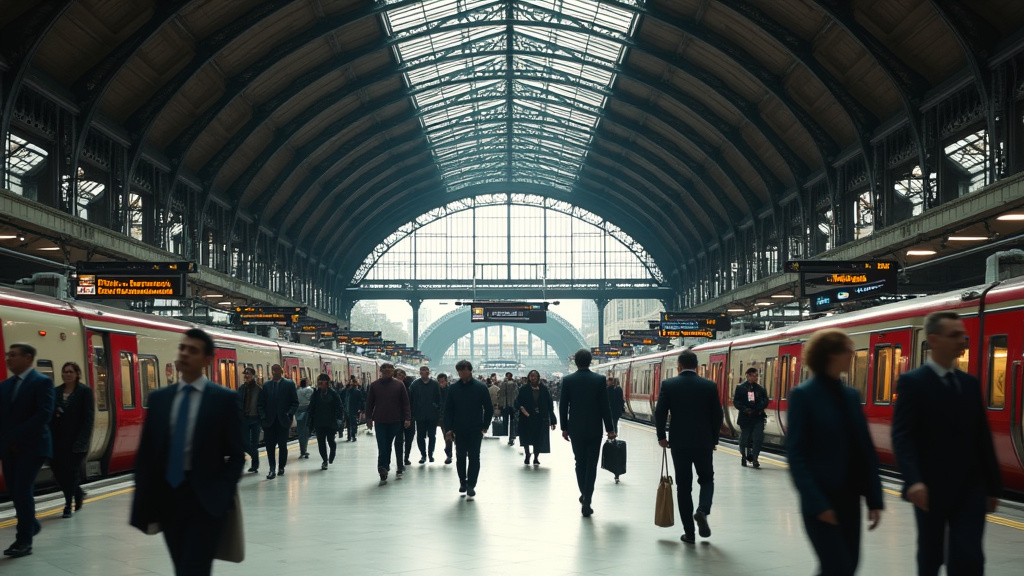
As the event grew, so did the logistical complexity. By the early 2020s, the crowds had become so substantial that they frequently obstructed daily commuter traffic, overwhelmed the station’s concourse, and posed legitimate safety risks. The event occupied a strange space in public life: it was a massive, uncontrolled public gathering held within a high-security transport hub, requiring intricate coordination between Warner Bros. Discovery and the station authorities.
Prioritizing Safety and Curation
The decision to cease the King’s Cross activation is primarily rooted in safety and capacity management. Overcrowding has been a growing concern for both local law enforcement and railway authorities. In previous years, the sheer volume of attendees, combined with the presence of thousands of casual onlookers, created bottlenecks that hindered the station’s primary function as a transit hub. The shift away from the station represents a transition from ‘organic chaos’ to ‘managed experience.’
By moving the festivities to venues like Old Billingsgate and the Warner Bros. Studio Tour London, the organizers gain total control over the environment. These venues allow for ticketed entry, crowd management systems, security protocols, and, crucially, a higher level of brand immersion. Rather than competing for space with commuters, fans will now enter curated, immersive environments designed specifically for the celebration, likely featuring enhanced exhibits, interactive elements, and logistical infrastructure that a transit station simply cannot provide.
The Economic and Cultural Shift
This transition reflects a broader trend in how major media conglomerates manage their fanbases. Moving the celebration to the Warner Bros. Studio Tour London is a strategic decision that centralizes the ‘pilgrimage’ experience at the studio’s most profitable asset. It turns a free public event into a controlled, high-value consumer experience.
Economically, this benefits the studio by consolidating the tourism revenue and brand control within their ecosystem. However, it also alters the nature of the fandom. The spontaneity of the King’s Cross gathering—the feeling of being ‘in the wild’ and connected to the real-world location—will be replaced by a more homogenized, studio-approved atmosphere. For some fans, this is a bittersweet development. The station was the bridge between reality and the Wizarding World; replacing it with a studio tour, while more comfortable and safe, removes the authentic, albeit messy, connective tissue that made the event unique.
The Future of the ‘Back to Hogwarts’ Experience
Looking ahead, the 2026 shift will likely serve as a blueprint for how the studio handles its major annual activations. Expect to see higher production values at the new, designated venues. The reliance on Old Billingsgate suggests a focus on creating a ‘festival’ atmosphere, likely incorporating pop-up shops, photo opportunities, and exclusive content premieres that were impossible to execute on a busy railway concourse.
While the station will remain a tourist destination for those wishing to visit the Platform 9 ¾ shop, the days of synchronized, studio-sanctioned celebrations in the main concourse are over. This change signals that the Wizarding World franchise is moving toward a more mature, controlled phase of its life cycle, where brand safety and consumer experience take precedence over the unbridled, spontaneous expression of the early fan days. As the train departs, it leaves behind an era of grassroots history, moving forward into a future of curated, high-end production.
FAQ: People Also Ask
Why is the event moving from King’s Cross?
The primary reasons are safety, crowd control, and capacity management. The massive surge of fans arriving at the station was disrupting the daily operations of a major transportation hub, creating bottlenecks and posing significant logistical challenges for Network Rail and emergency services.
Will I still be able to visit Platform 9 ¾ at the station?
Yes. The iconic Platform 9 ¾ shop and photo opportunity will remain open to the public as a year-round attraction. However, the organized, large-scale ‘Back to Hogwarts’ event that usually takes place on September 1st will no longer be held in the station concourse.
Where can fans go to celebrate instead?
For 2026, Warner Bros. is directing fans to alternative, curated venues such as Old Billingsgate and the Warner Bros. Studio Tour London. These locations will host official, organized celebrations that provide better facilities, security, and immersion for the attendees.
Is this the end of all Wizarding World fan events?
Absolutely not. Warner Bros. is shifting its strategy toward controlled, official events at venues designed to accommodate large crowds, rather than using public transit infrastructure. This ensures a higher quality of service and a more consistent brand experience for fans globally.