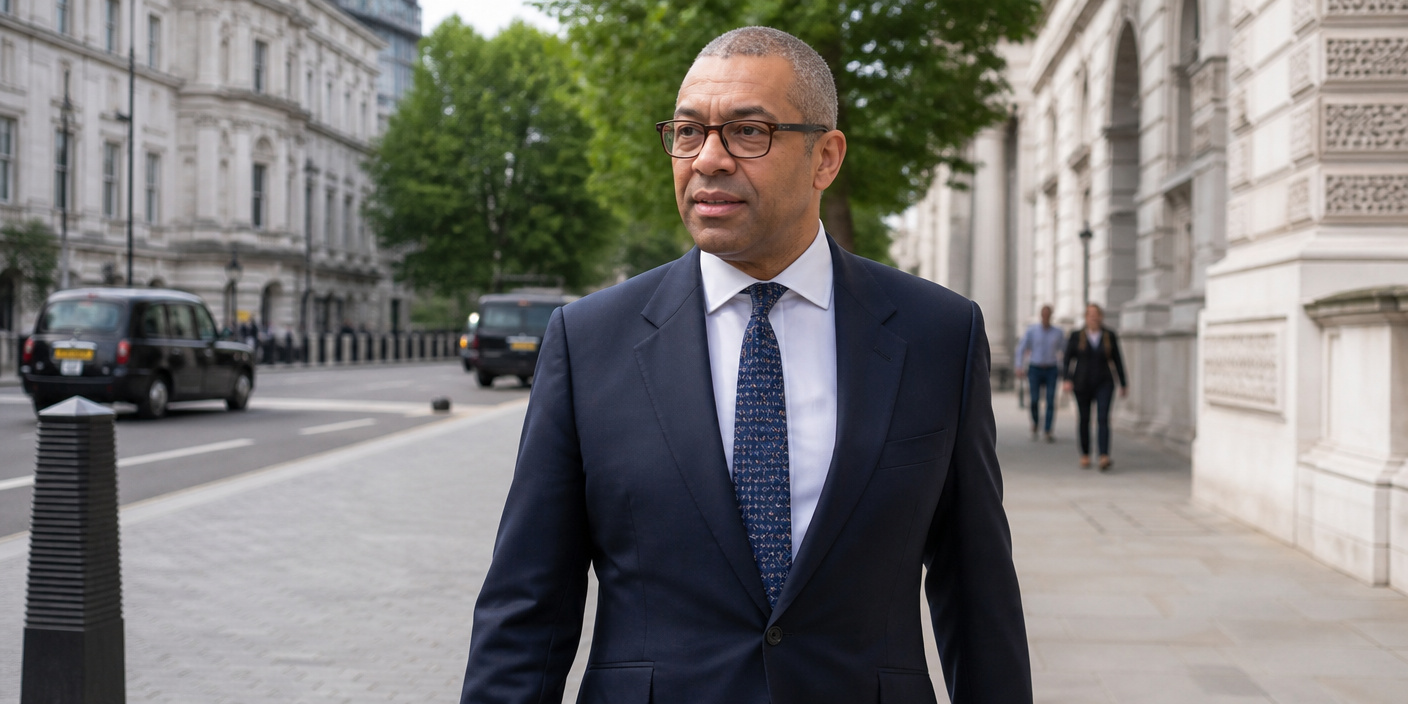
In a definitive move that has sent shockwaves through Westminster, James Cleverly has announced his immediate resignation from the shadow cabinet, confirming his intention to transition from national politics to a full-scale campaign for the Mayor of London. This strategic pivot marks a significant departure for the veteran Conservative politician, who has served in some of the most senior government roles over the past decade, including as Home Secretary and Foreign Secretary. The resignation, effective immediately, removes him from the front bench and clears the path for him to focus entirely on the municipal challenges facing the capital, setting the stage for one of the most high-stakes political contests in recent history.
Key Highlights
- Strategic Departure: James Cleverly has resigned from his position in the shadow cabinet to prioritize his mayoral candidacy, citing a need to address the “deteriorating conditions” in London.
- Political Shift: This move ends his tenure in high-level national policy roles, signaling a move toward local, regional governance and infrastructure reform.
- Campaign Focus: The core of Cleverly’s campaign is expected to center on public safety, housing reform, and economic revitalization for London’s business districts.
- Incumbent Challenge: His candidacy presents a direct challenge to the incumbent, marking a major attempt by the Conservative Party to reclaim the mayoral office in a city that has trended away from the party in recent general elections.
The London Mandate: A New Front in Conservative Politics
The resignation of James Cleverly from his shadow cabinet duties is more than a mere career change; it is a calculated bet on the appetite for leadership change within the UK’s capital. For years, the Conservative Party has struggled to find a foothold in London, with the incumbent Mayor historically maintaining a strong, often insurmountable, lead in both polling and public sentiment. By stepping down from the national stage, Cleverly is attempting to frame his candidacy as a “London-first” mission, stripping away the national partisan baggage that often hinders Conservative candidates in the city.
Analyzing the Pivot from National to Local
Cleverly’s career, which has spanned the Home Office, the Foreign Office, and the Ministry of Defence, provides him with a unique, if unconventional, profile for a mayoral candidate. Typically, mayoral hopefuls emerge from the London Assembly or local government ranks. By bringing a former Home Secretary into the race, Cleverly is signaling that he intends to make public safety and crime rates—classic Home Office briefs—central to his platform. His supporters argue that his experience navigating the intricacies of Whitehall will give him a distinct advantage when negotiating funding and policy devolution from the central government, a perennial sticking point for any London Mayor.
The Economic and Infrastructure Challenge
London faces a multifaceted crisis in the post-pandemic era. The central business districts, while recovering, continue to struggle with hybrid working patterns, and the housing market remains a critical bottleneck for the city’s growth. Cleverly’s campaign strategy is expected to leverage his background in international relations and defense to pitch London as a global hub that has lost its competitive edge. His supporters suggest he will focus on “regeneration through security,” arguing that crime reduction is the foundational requirement for revitalizing high streets and attracting foreign investment. However, critics are quick to point out that the mayoral race is as much about local transport and social services as it is about grand policy, areas where Cleverly’s national-level experience may face a steep learning curve.
The Conservative Path to Victory
For the Conservative Party, this move is a high-stakes gamble. The party has arguably faced an identity crisis in London, often struggling to reconcile its national platform with the diverse, urban, and increasingly progressive electorate of the capital. Cleverly represents a more traditional, institutional approach. Whether he can build a coalition that spans the suburbs—where the Conservatives still hold influence—and the inner-city areas that have proven elusive is the defining question of his campaign. The resignation from the shadow cabinet is a “clean break” strategy, designed to show voters that he is not just another party apparatchik, but a candidate with the singular focus required to govern the city.
Historical Precedent and Future Predictions
Historically, the London Mayoral race has been a graveyard for high-profile national politicians who failed to connect with the unique municipal rhythms of the city. Cleverly’s success will depend on his ability to pivot from the rhetorical style of the House of Commons to the consultative, community-driven nature of local government. If he succeeds, he could reinvigorate the Conservative presence in major UK cities. If he fails, the move may be viewed as a miscalculation that cost him influence in national politics without securing a meaningful win at the municipal level.
FAQ: People Also Ask
Q: Why did James Cleverly resign from the shadow cabinet?
A: James Cleverly resigned to dedicate his full attention and resources to his campaign for the Mayor of London, ensuring he could focus on the specific needs of the capital without the constraints of shadow cabinet collective responsibility.
Q: How does this change the Conservative Party dynamic?
A: It leaves a vacancy in the shadow cabinet that must be filled, potentially allowing for a realignment of the opposition front bench, while also testing the party’s ability to win in a traditionally challenging electoral environment.
Q: What are the primary themes of Cleverly’s mayoral campaign?
A: While the full manifesto is forthcoming, early indicators suggest a focus on public safety, urban regeneration, housing supply, and enhancing London’s status as a global economic leader.
Q: Is it common for former Cabinet ministers to run for Mayor?
A: It is relatively rare, though not unprecedented. It demonstrates a belief that the mayoral position requires the heavy-duty policy and administrative experience typically associated with senior cabinet-level roles.