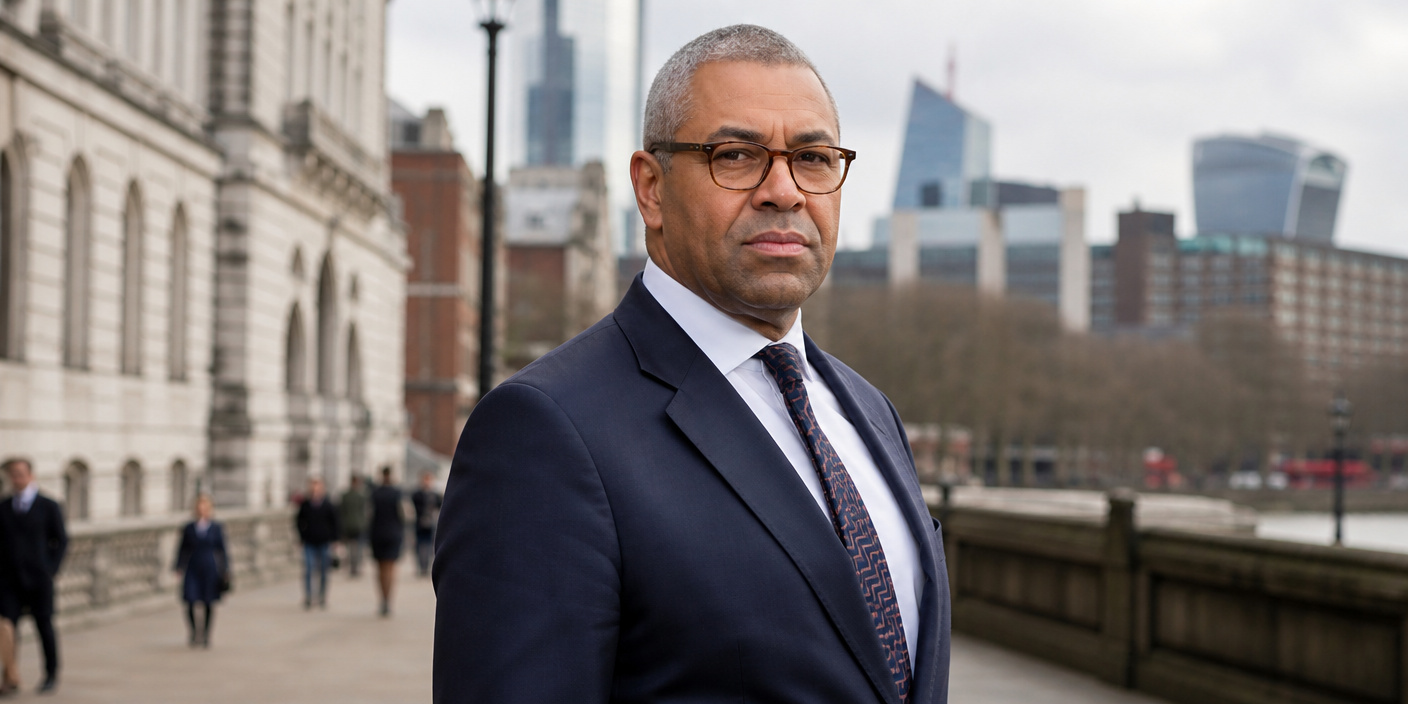
In a move that has sent shockwaves through the Conservative Party and altered the political calculus for the capital, Sir James Cleverly has officially resigned from his prominent position in the shadow cabinet. This decision marks the beginning of an aggressive and focused campaign to secure the Mayor of London position, signaling a significant shift in his career trajectory and the broader strategy of the Conservative Party regarding local governance. The resignation, which comes at a pivotal moment in the political cycle, suggests a long-term plan to reclaim the capital from the incumbent administration.
The Strategic Pivot: From National Opposition to Local Governance
The resignation of Sir James Cleverly from the shadow cabinet is not merely a personnel change; it is a calculated pivot. By stepping away from the constraints and public scrutiny of his national shadow portfolio, Cleverly is signaling a full-throated commitment to the specific, granular challenges facing Londoners. Historically, senior politicians who transition from national roles to local mayoral bids bring a level of institutional knowledge and networking capability that is rare in regional politics. This move effectively clears the path for Cleverly to cultivate a campaign platform untethered from the day-to-day legislative battles in Westminster, allowing him to focus exclusively on local policy formulation.
For the Conservative Party, this creates a vacuum in the shadow cabinet that necessitates immediate reshuffling. However, the long-term potential payoff—winning the Mayor of London office—is viewed by strategists as a foundational block for rebuilding the party’s image in urban centers. Cleverly’s supporters argue that his experience as a cabinet minister gives him the gravitas necessary to negotiate with both local councils and national government bodies, a prerequisite for effectively running a city of London’s complexity.
The London Landscape: Challenges and Opportunities
Running for the Mayor of London is a Herculean task, requiring a candidate to bridge the gap between the affluent business districts and the diverse, socio-economically varied boroughs. The incumbent administration has maintained a firm grip on the capital’s policy direction for several cycles, making this an uphill battle for any challenger. Sir James Cleverly faces the dual challenge of re-energizing the traditional conservative base in outer London while simultaneously appealing to the demographics that have consistently leaned away from the party in previous elections.
Key policy areas for this campaign are expected to revolve around the ‘big three’ issues that dominate London life: the cost of living crisis, the expansion of transport infrastructure, and the persistent concerns regarding public safety and policing. Cleverly’s background, particularly his experience in national security and foreign affairs, provides a unique lens through which to view these issues. His supporters anticipate that he will frame the mayoral race not just as a local election, but as a referendum on the efficiency of the capital’s current management and the long-term economic viability of London as a global hub.
Party Dynamics and the Road Ahead
The timing of this resignation is crucial. By launching his campaign now, Cleverly secures the ‘first-mover advantage,’ allowing him to set the agenda before other candidates can fully mobilize their operations. This proactive approach is designed to preemptively address criticism that the Conservative Party lacks a coherent vision for London. Internally, the party leadership is expected to rally behind him, recognizing that a victory in the London mayoral race would be a major psychological win and a tangible indicator of political momentum.
However, the transition from national shadow cabinet member to mayoral candidate comes with distinct risks. If the campaign fails to gain traction, it could reflect poorly on both the candidate and the party’s broader strategy. Furthermore, he will face intense scrutiny regarding his record, with opponents likely to focus on his past national policy decisions. To succeed, Cleverly must effectively compartmentalize his national political history while projecting a forward-looking, locally-centric vision that resonates with voters who are often more concerned with the state of their commute, the safety of their streets, and the cost of their housing than with national party ideology.
Economic Implications and Future Predictions
Analysts predict that the mayoral race will become one of the most high-stakes political battles of the decade. The economic impact of the election cannot be overstated; the Mayor of London controls significant budgets, particularly in transport and policing, and has the power to influence planning and housing development across the city. Investors, business leaders, and developers will be watching the campaign closely, as the policy divergence between the candidates could determine the regulatory and economic environment for the city for years to come. If Cleverly successfully positions himself as the ‘pro-business’ candidate, he may secure the support of the financial sector, which has been vocal about its desire for increased stability and a more growth-oriented approach to city planning.
Ultimately, Sir James Cleverly’s resignation marks a bold gamble. It represents a pivot from the high-stakes, reactive environment of the shadow cabinet to the grounded, often grueling, and highly visible world of municipal campaigning. Whether this transition proves to be a successful ‘homecoming’ for a veteran politician or a miscalculation remains to be seen, but the intensity of the race for City Hall has undoubtedly reached a new level of urgency.
FAQ: People Also Ask
1. What specific position did Sir James Cleverly hold in the shadow cabinet?
Sir James Cleverly served as a high-ranking member of the Shadow Cabinet, often involved in critical policy discussions and national security strategy, providing him with extensive experience that he aims to leverage in his mayoral campaign.
2. Why is the Mayor of London election considered so significant?
The Mayor of London holds executive power over a budget of billions, influencing critical areas such as Transport for London (TfL), policing strategy, and major planning decisions, making it one of the most influential political roles in the UK outside of central government.
3. What is the central focus of Cleverly’s mayoral campaign?
While his full manifesto is pending, initial reports suggest a focus on addressing the cost of living, optimizing transport infrastructure, and re-evaluating public safety policies to appeal to a broad demographic of London residents.
4. How does this resignation affect the Conservative Party?
The resignation creates a temporary vacancy in the Shadow Cabinet, requiring a reshuffle. However, it also signifies the party’s prioritization of the London mayoral race as a critical test of their ability to regain support in major urban centers.