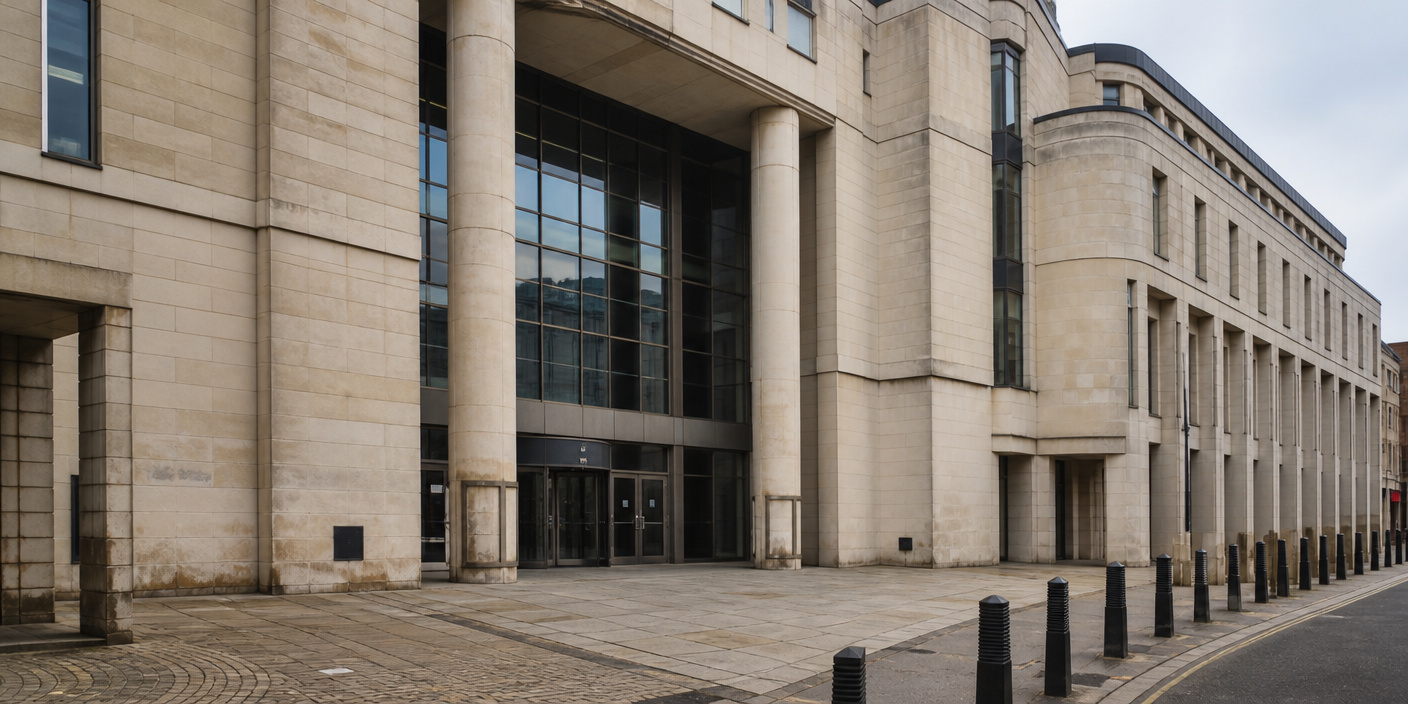
In a decisive turn of events at the Old Bailey, four men have formally entered guilty pleas regarding a destructive arson attack that crippled the Hatzola volunteer ambulance service in Golders Green, North London. The incident, which caused an estimated £1 million in damages, decimated a fleet of vehicles critical to the rapid-response medical infrastructure serving the local Jewish community. The guilty pleas mark a significant conclusion to the legal proceedings surrounding the incident, which sent shockwaves through the community and raised profound concerns regarding the targeting of religious and communal emergency services.
- Four men entered guilty pleas at the Central Criminal Court of England and Wales, commonly known as the Old Bailey.
- The arson attack caused approximately £1 million in damage to the Hatzola volunteer ambulance service fleet.
- The vehicles were vital for the Jewish community in Golders Green, providing emergency medical support.
- Prosecutors and community leaders have emphasized the severe impact of the loss, noting the disruption to essential life-saving services.
- The case serves as a stark reminder of the security challenges facing community-led volunteer organizations in London.
Seeking Justice: The Aftermath of the Golders Green Arson
The Night the Hatzola Fleet Burned
The attack, which took place in Golders Green, targeted a specific and vital component of the neighborhood’s emergency medical network. Hatzola, a volunteer-run ambulance service, operates as a lifeline for the local Jewish population, often providing critical medical intervention in the minutes before state-funded National Health Service (NHS) ambulances can arrive on the scene. The destruction of these specialized vehicles was not merely an act of property damage; it was a strategic blow to the community’s safety net. Firefighters arriving at the scene faced a significant blaze that had already claimed multiple vehicles, leaving the fleet incapacitated and the service in a state of sudden, paralyzing disruption.
Disruption of Essential Life-Saving Services
The financial quantification of the damage, cited at £1 million, represents a conservative estimate when one considers the specialized equipment housed within these ambulances. Unlike standard transport vehicles, Hatzola ambulances are fitted with advanced life-support systems, defibrillators, and specialized trauma kits necessary for pre-hospital care. Replacing these vehicles involves more than simple procurement; it requires extensive outfitting and the training of personnel to utilize the specific configuration of the new units. The attack forced the organization to rely on backup protocols and external aid, stretching resources and highlighting the fragility of volunteer-reliant public health infrastructure.
The Legal Path to Accountability
The transition from the initial investigation to the guilty pleas at the Old Bailey reflects a rigorous effort by the Metropolitan Police and the Crown Prosecution Service (CPS) to secure accountability. The Old Bailey, renowned for trying the United Kingdom’s most serious criminal cases, underscores the gravity with which the judicial system treated this incident. By pleading guilty, the defendants have admitted to the arson, sparing the community a protracted and emotionally taxing trial, yet the damage remains a permanent scar on the local landscape. The sentencing hearing will likely focus on the intent behind the attack and the significant collateral harm inflicted upon the Hatzola service.
Broader Implications for Community Safety
This incident has catalyzed a wider debate regarding the security of volunteer organizations and communal infrastructure in London. As antisemitic hate crime figures have fluctuated in recent years, community groups like the Community Security Trust (CST) have frequently called for increased vigilance. The targeting of Hatzola specifically—an organization dedicated to the apolitical, humanitarian act of saving lives—has been condemned as a cynical attempt to erode the sense of security and autonomy within the Jewish community. The resilience shown by Hatzola in continuing its operations despite the losses has served as a point of local pride, but the event remains a chilling case study in the vulnerability of communal assets.
FAQ: People Also Ask
What is Hatzola and why was it targeted?
Hatzola is a volunteer-run emergency medical service that provides rapid-response ambulance care to the Jewish community. Its vehicles were targeted in a coordinated arson attack, which authorities and community leaders view as an act of hostility against a critical communal asset.
What was the extent of the financial damage?
The arson resulted in approximately £1 million worth of damage. This figure includes the loss of the vehicles themselves and the specialized, high-cost medical equipment stored within them.
What is the significance of the trial being held at the Old Bailey?
The Old Bailey (the Central Criminal Court) typically handles the most serious criminal cases in England and Wales. The venue choice highlights the legal system’s recognition of the severity and public impact of the attack.
Are the defendants being charged with a hate crime?
While the guilty pleas address the arson charges, the context of the attack on a specifically Jewish volunteer organization has been a central element of the public and legal discourse surrounding the incident, reflecting ongoing concerns regarding targeted community attacks.