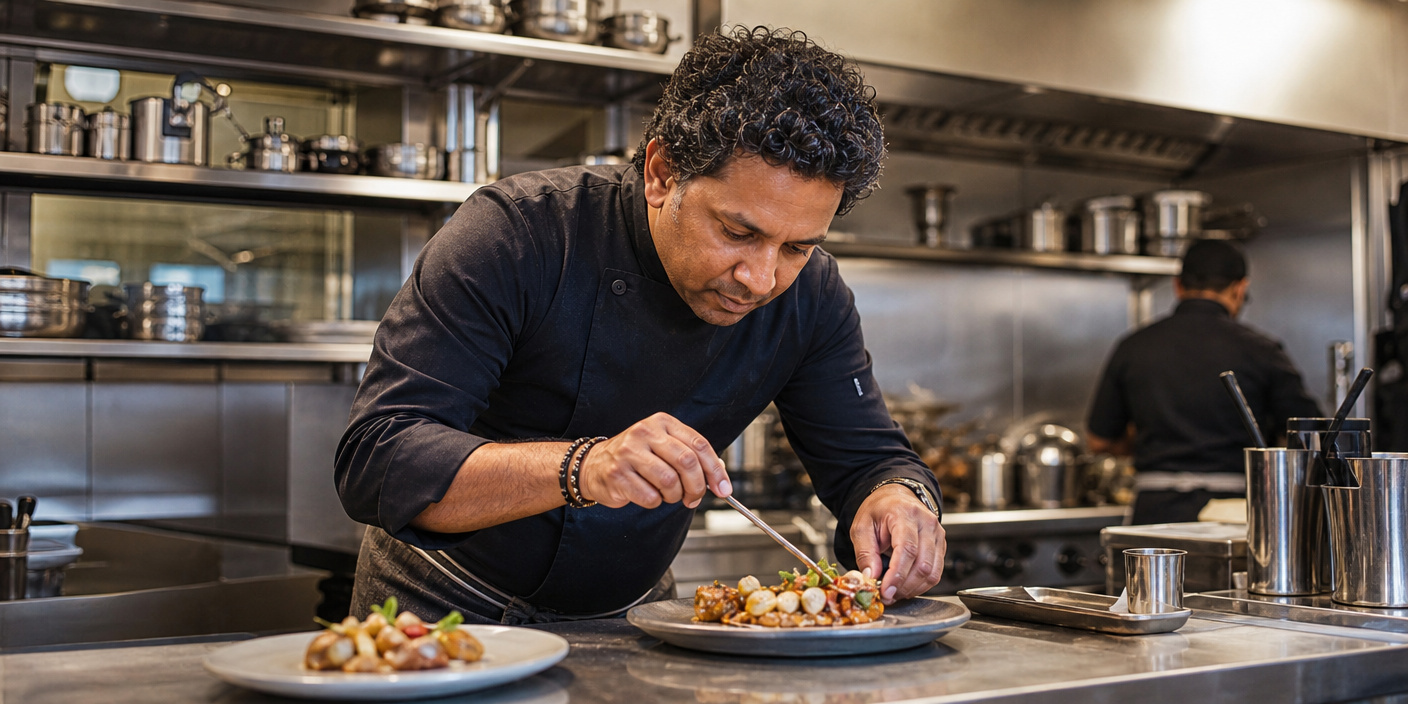
As the London restaurant scene pivots toward the final quarter of 2026, the city is witnessing a distinct move away from homogenized dining experiences toward hyper-specialized, neighborhood-defining venues. This September, the ‘Restaurant Radar’ highlights a trend of culinary precision, where chefs are eschewing broad, catch-all menus in favor of deep-dives into specific cuisines or regional pub traditions. At the forefront of this movement are two highly anticipated openings: the Indian-inspired Talli Queen in Shepherd’s Bush and the seafood-centric institution, The Albatross, in the City of London. For the discerning diner, these launches represent a deliberate shift toward restaurants that emphasize both identity and intimacy.
Key Highlights
- Talli Queen Arrival: Chef Avi Shashidhara brings a fresh, modern perspective on Indian cuisine to Shepherd’s Bush, blending traditional spice profiles with contemporary plating techniques.
- The Albatross Unveiled: A new heavyweight in the City of London, offering a high-concept seafood experience within the classic, accessible framework of a British pub.
- Localized Dining: Both openings exemplify the growing trend of high-end establishments embedding themselves into specific London micro-communities rather than relying on tourist-heavy zones.
- Culinary Evolution: September 2026 marks a turning point where ‘fusion’ is replaced by ‘specialization,’ as kitchens refine their supply chains and focus on singular, high-quality ingredients.
The Resurgence of Hyper-Local Dining in London
The London dining scene in September 2026 is defined by a paradox: while the city is more connected than ever, the most successful new restaurants are those that feel intensely local. We are witnessing a clear divergence from the ‘all-things-to-all-people’ model that dominated the early 2020s. Today, success is measured by the specificity of a restaurant’s identity and its ability to anchor its immediate surroundings. The recent openings of Talli Queen and The Albatross provide a case study in how thoughtful branding and focused culinary vision can transform a neighborhood’s reputation virtually overnight.
Talli Queen: Elevating Indian Cuisine in Shepherd’s Bush
Shepherd’s Bush has long been an overlooked enclave in West London’s dining map, often overshadowed by the high-profile glitz of Notting Hill or the polished streets of Kensington. However, the arrival of Talli Queen, spearheaded by the acclaimed chef Avi Shashidhara, signals a significant correction. Shashidhara’s approach to Indian cuisine is not merely about reinterpreting classics; it is an exercise in culinary archeology—digging deep into regional Indian spice structures while applying the rigors of modern European kitchen management.
Industry insiders suggest that Talli Queen is designed to bridge the gap between casual street-food concepts and the rigid formality of fine-dining Indian establishments. The menu focuses on high-impact, small-plate dishes that encourage communal dining, a strategy that aligns perfectly with the changing social habits of 2026, where diners increasingly prefer shared experiences over isolated courses. Shashidhara’s influence is evident in the precise sourcing of ingredients, particularly the use of seasonal British produce treated with subcontinental techniques, creating a bridge between local terroir and global flavor profiles.
The Albatross: A New Anchor for the City
The City of London, a district often criticized for its ‘restaurant desert’ status on weekends and evenings, is undergoing a profound transformation. The Albatross is the latest, and perhaps most significant, entrant into this space. By positioning itself as a seafood-focused pub, The Albatross is masterfully threading the needle between the corporate, high-net-worth demographic of the financial district and the modern desire for a relaxed, approachable atmosphere.
This is not your average public house. The Albatross combines the architectural warmth of a traditional London boozer with the product sourcing typically reserved for Michelin-starred coastal eateries. By prioritizing direct-from-boat logistics, the kitchen ensures that the seafood is not just fresh, but transparent in its origin. In an era where supply chain ethics have become a primary consumer concern, The Albatross is positioning itself as a leader in sustainable sourcing, effectively making the act of ‘eating local’ a pillar of its brand identity.
Economic Drivers and Future Predictions
The economic landscape for 2026 restaurants remains competitive, yet these two openings provide insight into the industry’s resilience. High overheads in prime London postcodes have forced restaurateurs to be more creative with their square footage. Talli Queen utilizes its Shepherd’s Bush footprint to maximize turnover through efficient, high-frequency service, while The Albatross leverages the City’s high foot traffic, converting corporate lunchtime diners into evening patrons through a carefully curated environment that shifts in tone from day to night.
We predict that this trend of ‘Hybrid-Hospitality’—where the line between the casual pub and the high-end restaurant blurs—will continue to gain momentum. As we move into the winter months of 2026, expect to see more establishments adopting this dual-identity approach, catering to the professional in the afternoon and the discerning gastronome by sunset. The success of these two ventures proves that Londoners are no longer interested in generic experiences; they want stories, specialization, and, above all, the sense that their meal is contributing to the distinct character of the street they are standing on.
FAQ: People Also Ask
Q: What is the primary culinary focus of Talli Queen?
A: Talli Queen, led by Chef Avi Shashidhara, focuses on modern Indian cuisine. It emphasizes a fusion of traditional spice structures with contemporary plating, specifically designed for small-plate, communal dining in the heart of Shepherd’s Bush.
Q: Is The Albatross a fine dining establishment?
A: The Albatross frames itself as a seafood-focused pub. While it elevates the quality of food to a level typically found in high-end dining, it maintains the approachable, convivial atmosphere of a traditional City of London pub.
Q: Why are these openings significant for the City of London?
A: The City of London has historically struggled to retain vibrancy outside of business hours. The Albatross represents a strategic effort to create a permanent, high-quality culinary anchor that encourages foot traffic in the evenings and weekends, moving the City toward becoming a seven-day dining destination.
Q: How does the September 2026 ‘Restaurant Radar’ trend compare to previous years?
A: Unlike previous years that prioritized large, flashy flagship openings, the 2026 trend focuses on micro-specialization and community integration, with restaurants aiming to embed themselves into specific neighborhoods rather than catering to a broad city-wide audience.