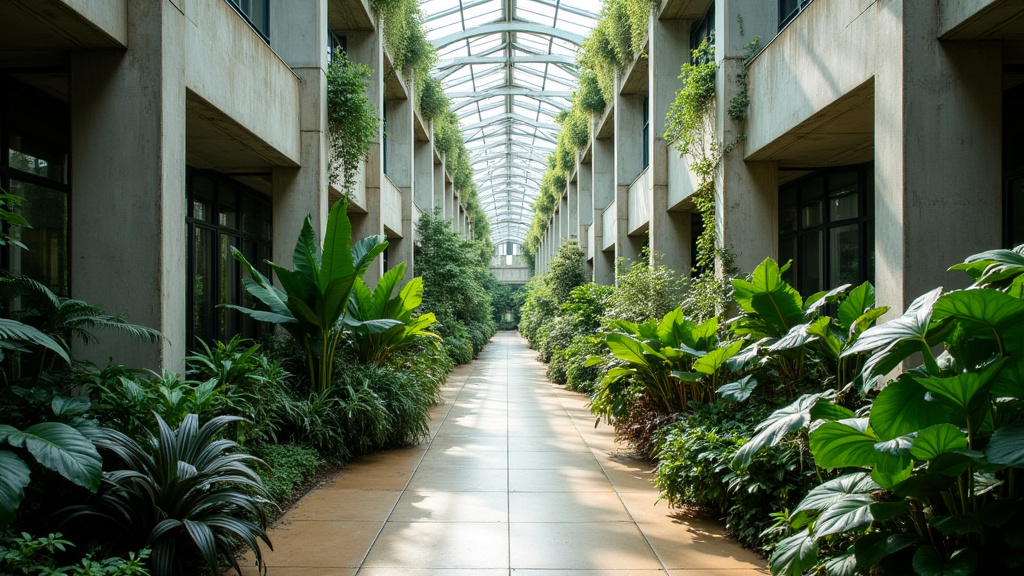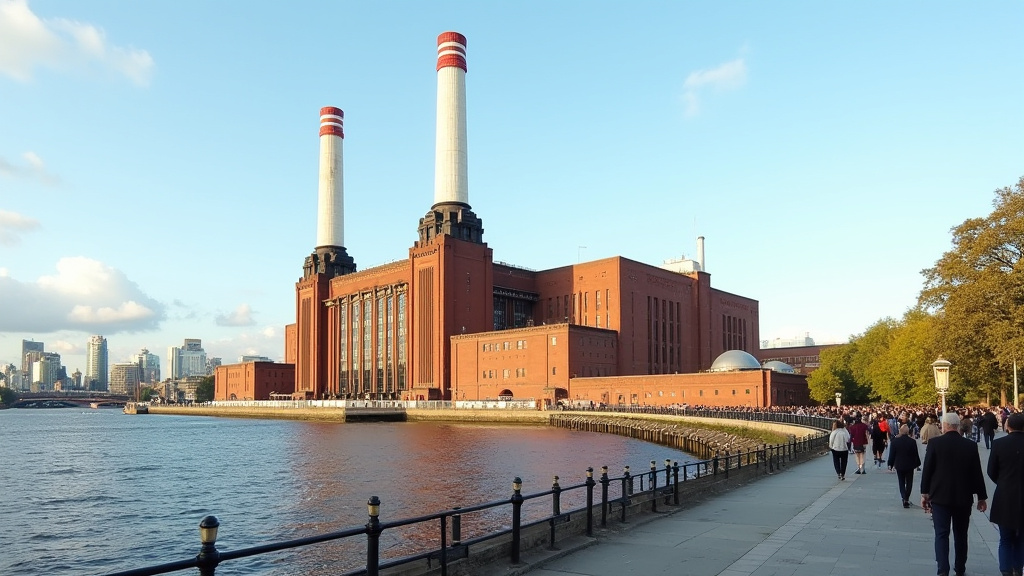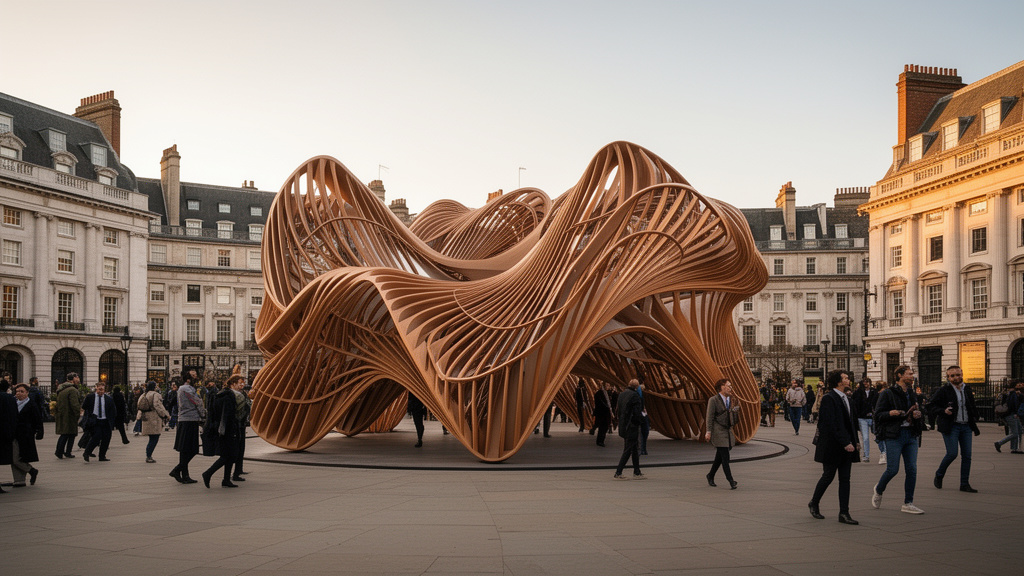
The annual Open House Festival 2026 has officially commenced, transforming the capital into a sprawling, week-long exhibition of urban history and design. Running from September 12 through September 20, the event grants the public rare access to hundreds of architecturally significant buildings that are typically closed to general foot traffic. This year’s festival, spanning all 33 London boroughs, represents a massive logistical and civic undertaking aimed at fostering a deeper connection between Londoners and the built environment that shapes their daily lives.
Key Highlights
- Event Duration: The festival takes place from September 12 to September 20, 2026.
- Unprecedented Scope: Access is provided to hundreds of unique locations across all 33 London boroughs, ranging from private residences to critical infrastructure.
- Architectural Diversity: The program features a mix of historical landmarks, brutalist icons, modern eco-conscious developments, and strictly private administrative buildings.
- Civic Engagement: The core mission remains the democratization of urban space, offering guided tours, structural insights, and expert commentary on the city’s evolution.
Unlocking the Metropolis: The Architecture of Access
The Open House Festival 2026 is more than a tourism initiative; it is a profound exercise in urban transparency. By opening the doors to spaces usually reserved for the elite, the administrative, or the ultra-private, the festival challenges the static boundaries of the city. Since its inception, the Open House concept has aimed to break down the walls—both literal and metaphorical—that separate the public from the decision-making spaces of the metropolis.
The Logistics of a 33-Borough Takeover
Organizing an event of this magnitude across all 33 boroughs requires precise coordination between local councils, private property owners, and the festival’s operational body. In 2026, the complexity has increased, with new emphasis placed on buildings that demonstrate adaptive reuse. This refers to the process of repurposing existing, often obsolete structures into modern, functional spaces without resorting to demolition. This year, visitors can tour several retrofitted Victorian-era warehouses that have been converted into carbon-neutral office spaces, showcasing the intersection of heritage preservation and climate-resilient architecture.
Furthermore, the distribution of sites is notably democratic. It is not just the high-visibility heritage sites in Westminster or the City of London that take center stage. Boroughs such as Barking and Dagenham, Croydon, and Harrow are hosting an equal number of high-profile tours, highlighting the often-overlooked architectural ambition found in the city’s outer ring. This deliberate geographical spread ensures that the architectural narrative of London is not centered solely on the historic core, but reflects the polycentric reality of the Greater London area.
Architectural Significance and Civic Discourse
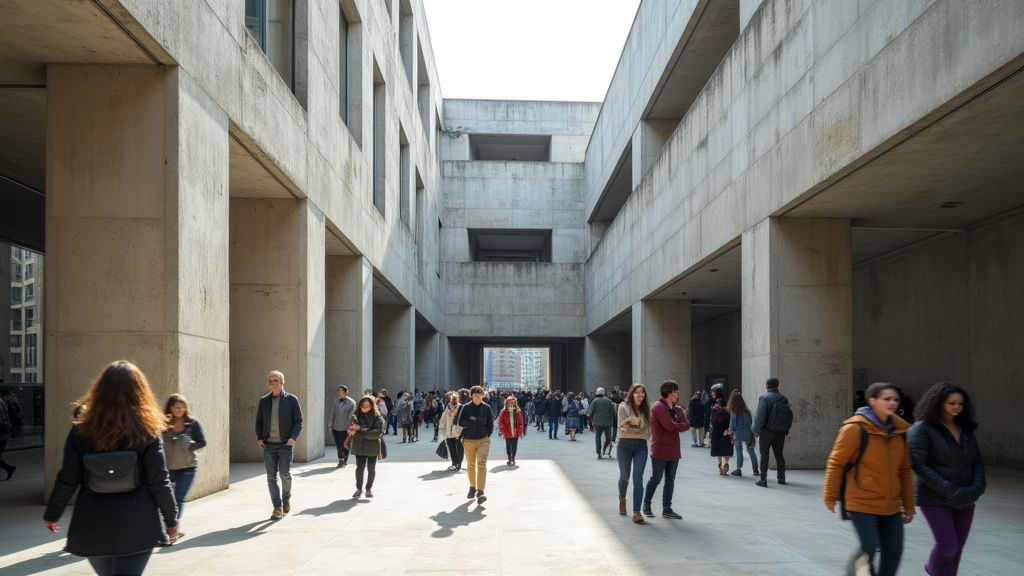
What constitutes ‘architectural significance’? The Open House Festival 2026 answers this by redefining the canon. The list includes Grade I listed cathedrals alongside brutalist housing estates and modern infrastructure like the latest sustainable heat-pump facilities. The festival invites the public to grapple with these contrasts. When a citizen walks through a brutalist estate designed in the 1960s, they are not just looking at concrete; they are engaging with the history of social housing policy and the utopian ideals of a post-war Britain.
This year, curators have placed a special focus on the ‘hidden’ history of London’s civic buildings. These are the spaces where local policy is decided, yet they remain largely invisible to the public. By hosting tours of town halls, council chambers, and planning departments, the festival demystifies the mechanisms of local government, fostering a transparent dialogue between the city’s administrators and the residents they serve. It is a critical component of E-E-A-T (Experience, Expertise, Authoritativeness, and Trustworthiness) in the context of urban journalism—by providing primary access to these sources, the public is better equipped to form informed opinions on city development and planning.
Three Secondary Angles: Beyond the Open Door
1. The Economic Impact on Local High Streets: Research suggests that when buildings open for the festival, surrounding businesses experience a significant uptick in foot traffic. The influx of visitors—many of whom are travelling from other boroughs or outside the city—creates a temporary ‘festival economy’ that supports local cafes, transit networks, and independent retail outlets. This impact is vital for boroughs looking to revitalize their high streets in the face of shifting retail trends.
2. Sustainability and the Adaptive Reuse Mandate: With London committing to aggressive carbon reduction targets, the 2026 festival serves as a case study for sustainable development. The curated list of buildings emphasizes how old structures can be upgraded rather than replaced. This ‘retrofit-first’ mindset is not just an aesthetic preference; it is an economic and ecological imperative, and the festival acts as an educational platform to normalize these practices for architects and developers alike.
3. The Psychology of Urban Ownership: Finally, there is the psychological dimension of access. Studies in urban sociology indicate that when residents are given access to spaces they previously viewed as ‘restricted’ or ‘other,’ their sense of civic ownership increases. The Open House Festival helps bridge the gap between the citizen and the city, fostering a sense of belonging that is essential for long-term urban stability.
FAQ: People Also Ask
Q: Do I need to book tickets in advance for the 2026 festival?
A: While many locations offer drop-in access, the most popular and historically significant sites require pre-booking via the official Open House website. Due to capacity constraints in historic buildings, booking is highly recommended for all major tours to guarantee entry.
Q: Is the Open House Festival free to attend?
A: Yes, the vast majority of the program is free to the public. However, some special tours or workshops might require a nominal donation or advance reservation to manage crowd control and site safety.
Q: How do I find out which buildings are open in my specific borough?
A: The festival’s official digital map allows users to filter by borough, building type, and accessibility needs. The 2026 app also includes GPS-enabled routes that guide visitors between nearby sites.
Q: Is the event accessible for people with disabilities?
A: The organizers have prioritized accessibility for the 2026 event. Each site listing on the official guide includes detailed information regarding step-free access, lift availability, and whether the building is suitable for wheelchair users.