Navigating London’s Cultural Landscape: A Week of Contrast
As Londoners navigate the final full week of November 2026, the city offers a distinctive blend of profound cultural exploration and practical logistical challenge. From November 23 to 29, the capital plays host to two highly anticipated exhibitions that demand intellectual engagement, while residents must simultaneously contend with a significant Transport for London (TfL) labor action. This week serves as a microcosm of London life: a constant balancing act between the preservation of history and the relentless forward motion of urban infrastructure. For those planning their itineraries, success this week requires more than just curiosity—it demands strategic planning around the significant travel disruption scheduled for Thursday, November 26.
The Bethlem Perspective: Decoding ‘The 544’
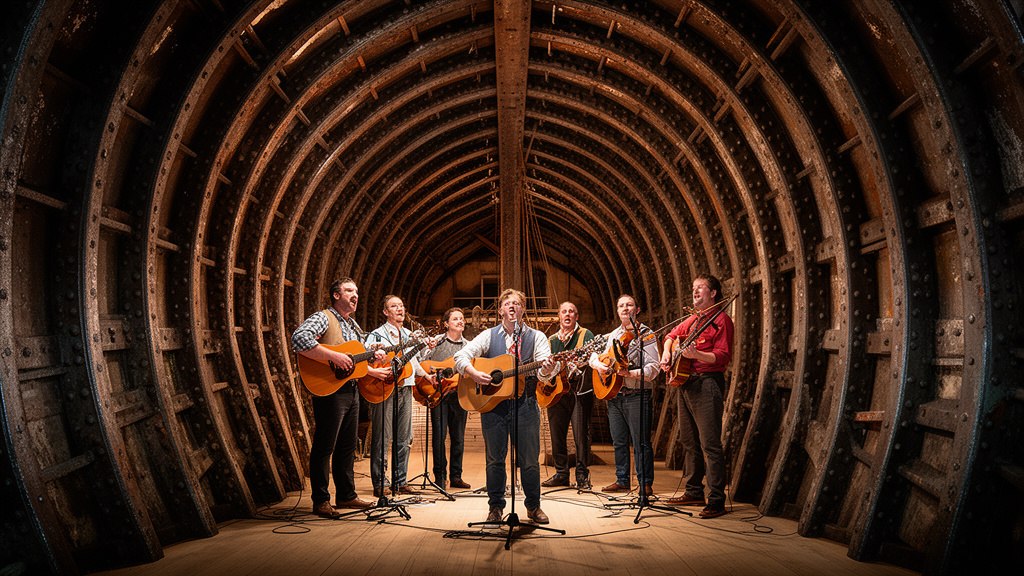
The Bethlem Museum of the Mind, located in the historic grounds of the Bethlem Royal Hospital, presents one of the most compelling cultural offerings of the season: ‘The 544’. This exhibition is not merely a display of artifacts but a poignant exploration of history, identity, and the evolving understanding of mental health. ‘The 544’ refers to specific patient records and personal accounts that have been meticulously curated to bring humanity to the historical figures who once walked these halls. Visitors are provided with an intimate view of the hospital’s past, moving beyond the sensationalized narratives often associated with its history. The exhibition utilizes original documents, oral histories, and personal belongings to construct a narrative of resilience. For those interested in the social history of London, this exhibition provides a rare, unfiltered perspective on how institutional care has been perceived and practiced over centuries. It is an essential stop for anyone seeking to engage with the deeper, often overlooked narratives of London’s heritage.
Banking on Memory: ‘After the Fire’ at the Bank of England
Complementing the introspective nature of ‘The 544’, the Bank of England Museum is currently hosting ‘After the Fire’, a display that examines the resilience of London’s financial heart in the wake of catastrophic event history. While the exhibition draws parallels to the Great Fire of London, it fundamentally focuses on the institutional response and economic reconstruction that defined the City of London’s evolution. The display features a collection of items that illustrate the recovery efforts, from early currency adjustments to the architectural redesigns that shaped the modern square mile. Visitors gain insight into how the Bank of England, as a central institution, navigated crises that threatened the capital’s stability. The juxtaposition of this exhibition against the current, modern-day economic climate offers a thought-provoking lens through which to view current fiscal policy. It is a masterclass in institutional memory, demonstrating that London’s economic power is not just about currency, but about the durability of the systems that uphold it.
Strategies for Navigating the November 26 Strike
The most pressing logistical concern for the week is undoubtedly the scheduled Tube strike on Thursday, November 26, 2026. Transport for London (TfL) has confirmed that significant industrial action will impact most underground lines, severely restricting movement across the capital. For those attending the exhibitions mentioned, or indeed any event during the week, travel plans must be adjusted well in advance.
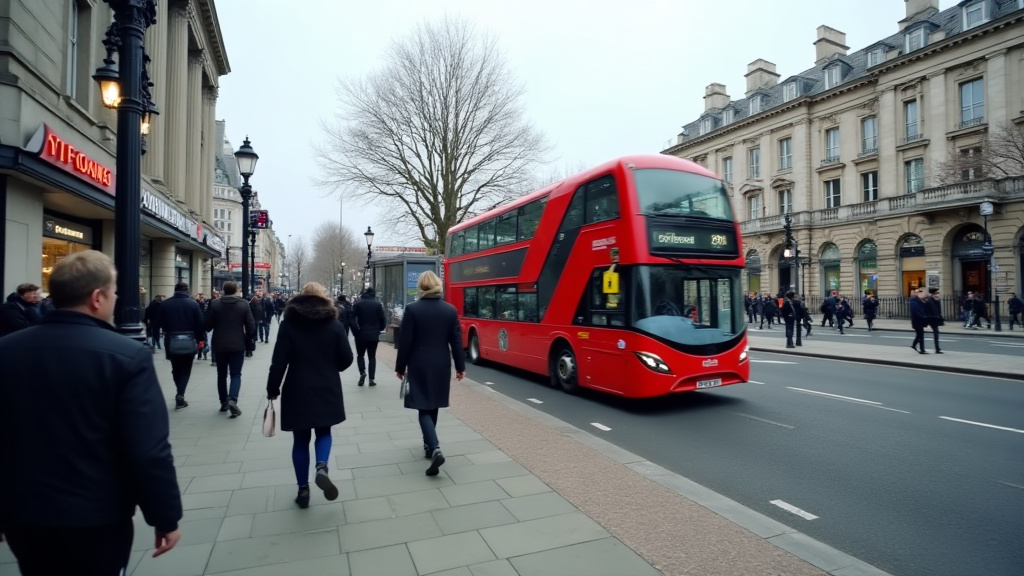
Commuters and tourists alike should anticipate that this is not a localized disruption but a city-wide event. Essential advice for this Thursday includes prioritizing ‘work from home’ protocols where possible and, if travel is unavoidable, mapping out bus routes or walking paths well in advance. TfL’s real-time data suggests that buses will be under extreme pressure, and ride-sharing services often see surge pricing during these periods. We recommend treating the strike not as an inconvenience to be navigated, but as a day to structure your activities locally. The exhibitions at Bethlem and the Bank of England are located in areas that may have different levels of accessibility; ensure you verify the nearest bus connections as your primary mode of transport. The resilience displayed in the ‘After the Fire’ exhibit may well provide the right mindset for navigating the logistical friction of a transit-starved London.
Secondary Angles: Historical and Economic Context
1. The Resilience Quotient: Both exhibitions—Bethlem and the Bank of England—share a common thematic thread: the ability of organizations to weather existential threats. In ‘The 544’, it is the resilience of the human spirit; in ‘After the Fire’, it is the structural and fiscal resilience of the city. This thematic overlap provides a broader reflection on London’s status as a ‘phoenix’ city—constantly dismantling and rebuilding itself in response to internal and external crises.
2. The Economic Cost of Infrastructure Strikes: The November 26 strike represents a recurring friction point in London’s economy. Beyond the immediate inconvenience, such strikes contribute to a quantifiable decline in foot traffic for local businesses near central hubs. Analysis of previous transit actions suggests that for every day of significant line closures, the central London economy experiences a measurable ripple effect, impacting everything from coffee shop revenue to museum attendance. This week, we see the real-time intersection of cultural demand and logistical supply chains.
3. Future of Urban Mobility: The 2026 industrial actions have sparked a wider debate regarding the future of London’s transit. With autonomous technology on the horizon and recurring labor disputes defining the current year, policy analysts are increasingly looking at whether the ‘London model’ of transit is due for an evolution. The strike this week is a reminder that the physical movement of millions remains tethered to human labor, highlighting a fragility that planners are attempting to solve with long-term automation strategies.