The British luxury sector is currently navigating a definitive crossroads, where the weight of historical heritage meets the urgent demands of material innovation. As the calendar turns to November 2026, the industry is witnessing a seismic shift in definition: luxury is no longer merely defined by scarcity or traditional craftsmanship, but by the intelligence of its supply chain and the circularity of its materials. This evolution was punctuated this month by the dual milestones of the Earthshot Prize’s innovative material showcases and the 25th anniversary of the Walpole British Luxury Awards, effectively setting the style agenda for the coming year.
Key Highlights
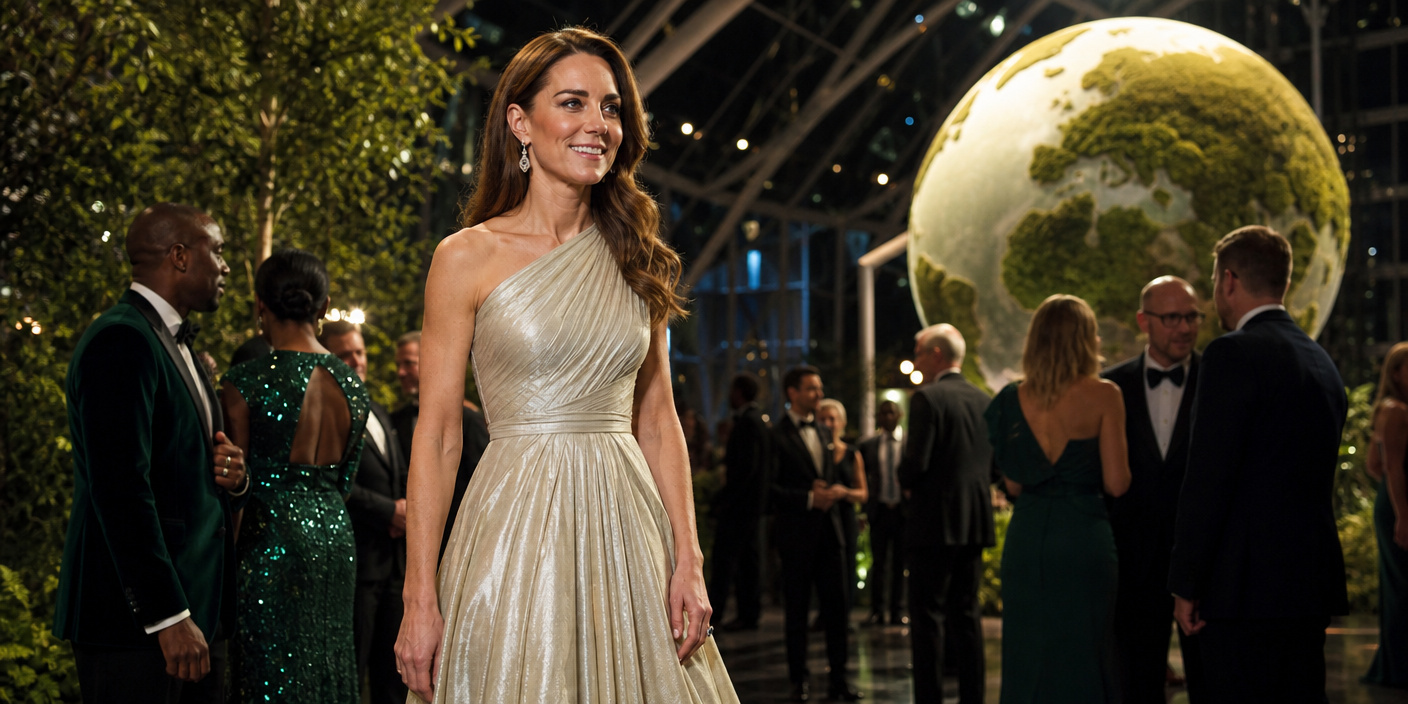
- The ‘SurpRice’ Breakthrough: The Princess of Wales championed sustainable luxury at the 2026 Earthshot Prize, appearing in an ensemble crafted from ‘SurpRice’—a pioneering bio-textile derived from agricultural rice husk waste.
- Walpole’s Milestone: The 25th Walpole British Luxury Awards celebrated a quarter-century of industry advocacy, with heritage knitwear house John Smedley securing a major victory, emphasizing the enduring relevance of UK manufacturing.
- The Sustainability Mandate: Industry leaders are shifting capital toward R&D, signaling that the future of luxury in Britain relies on blending high-performance bio-materials with the sector’s famous ‘quiet luxury’ aesthetic.
The New Era of Heritage and Eco-Innovation
The narrative of British luxury in November 2026 is one of convergence. For decades, the industry relied on the dichotomy between high-tech innovation and artisanal history. That wall has effectively crumbled. The events of this month demonstrate that the most prestigious brands are now those capable of deploying deep-tech solutions—like the ‘SurpRice’ material seen on the Earthshot green carpet—while maintaining the tactile, long-lasting quality that defines British excellence.
The ‘SurpRice’ Revolution
The use of ‘SurpRice’ by the Princess of Wales at the Earthshot Prize was not merely a stylistic choice; it was a powerful statement on the potential of agricultural byproducts in high fashion. ‘SurpRice’ acts as a proprietary bio-synthetic fiber that mirrors the drape and sheen of high-end silk, yet boasts a carbon-negative footprint. By showcasing this material on a global stage, the message to the luxury sector is clear: the future of evening wear will be grown in laboratories and reclaimed from crop waste, not extracted from resource-heavy industrial processes. This is a crucial pivot for the British Fashion Council, which has been pushing for higher ESG (Environmental, Social, and Governance) scores among member houses.
Walpole’s 25th Anniversary and the John Smedley Win
While Earthshot looked toward the horizon, the Walpole British Luxury Awards looked toward the bedrock of the industry. Celebrating 25 years, the awards event served as a reminder that heritage is a currency in its own right. John Smedley’s win was particularly significant. By taking home the top honor, the brand proved that ‘heritage’ is not synonymous with stagnation. John Smedley has successfully digitized its supply chain, allowing for unprecedented traceability—from the sheep farm to the final knit—appealing to the modern, data-conscious luxury consumer who demands transparency alongside luxury.
Economic Implications and Future Predictions
1. Material Science as Capital: We predict a 15-20% increase in venture capital funding toward British textile-tech startups by Q2 2027. Luxury houses are increasingly acquiring stakes in material science labs to secure exclusive rights to bio-innovations like ‘SurpRice’.
2. The ‘Traceability’ Premium: The success of heritage brands like John Smedley underscores that consumers are willing to pay a premium for verified provenance. In 2027, ‘transparency labeling’—essentially a digital passport for every garment—will likely become the standard for luxury retail, moving beyond a marketing trend to a baseline expectation.
3. Redefining ‘Quiet Luxury’: The aesthetic of 2027 will move away from minimalist logos and toward ‘Quiet Performance.’ The luxury look will be characterized by natural, matte, or earth-derived textures that suggest technical innovation rather than overt branding. This shift will likely impact retail strategy, as boutiques transition from showrooms to ‘educational galleries’ where the science of the garment is explained alongside its design.
FAQ: People Also Ask
What is ‘SurpRice’ and why is it significant?
‘SurpRice’ is an innovative bio-material synthesized from rice husk waste. It is significant because it provides a carbon-neutral alternative to luxury silks and synthetic satins, proving that high-fashion aesthetics do not require high-impact manufacturing.
Why did John Smedley win at the 25th Walpole British Luxury Awards?
John Smedley won for their exceptional blend of 240+ years of heritage manufacturing and modern supply chain transparency. They represent the gold standard for how legacy British brands can modernize without sacrificing their core craftsmanship.
How are the Earthshot Prize and British luxury trends linked?
They are linked by the shift toward sustainability. The Earthshot Prize acts as a global incubator for climate solutions, and by featuring these innovations, the British luxury sector is adopting these green technologies as the new status symbols of the elite.