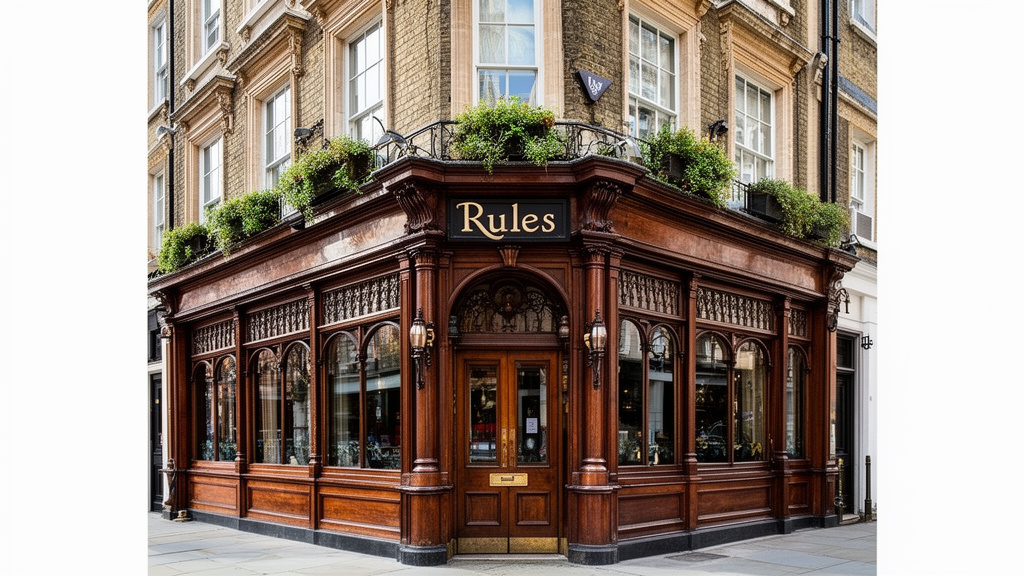
Rules, the venerable institution at 35 Maiden Lane, has entered a new chapter in its storied history. The building housing London’s oldest restaurant—a venue that has served patrons since its inception in 1798—has been officially donated to a major conservation charity. This pivotal move effectively removes the property from the volatility of the commercial real estate market, ensuring that one of the capital’s most significant cultural touchstones remains protected for future generations. For decades, the restaurant has been a sanctuary of traditional British cuisine, and this act of philanthropy secures its physical foundation against the encroaching tide of redevelopment that so often reshapes central London.
Key Highlights
- Historic Establishment: Rules was founded in 1798 by Thomas Rule, marking over 225 years of continuous service in the heart of London.
- Strategic Donation: The freehold of the building has been transferred to a national conservation charity, safeguarding the site’s long-term architectural integrity.
- Preservation of Heritage: This donation ensures that the unique Victorian-era interiors and the historic facade at 35 Maiden Lane are protected from modern alteration.
- Cultural Impact: By securing the building, the donation protects not only a restaurant but a living piece of London’s social and literary history.
Safeguarding The Past: A New Chapter for Rules
The 1798 Legacy: More Than Just Food
When Thomas Rule opened his oyster bar in 1798, London was a city of coffee houses, bustling markets, and burgeoning industrial growth. Over two centuries later, Rules stands as a defiant sentinel of history in Covent Garden. It is not merely a restaurant; it is a time capsule. The walls have played host to an illustrious clientele that reads like a who’s who of British history, from Charles Dickens and H.G. Wells to Laurence Olivier.
The significance of this donation cannot be overstated. In a city like London, where property values fluctuate wildly and developers often favor glass-and-steel skyscrapers over heritage assets, the survival of 35 Maiden Lane has long been a matter of speculation. By transferring the building to a conservation charity—an organization dedicated to the long-term stewardship of heritage assets—the stakeholders have prioritized legacy over short-term liquidity. This decision transforms the building into a protected asset, essentially taking the ‘commercial’ out of the equation for the building’s future maintenance.
Architectural Integrity in the Heart of Covent Garden
The building at 35 Maiden Lane is a masterpiece of historical preservation. Its facade, characterized by its distinctive period details, is a rare survivor of the rapid modernization that characterized the mid-20th century. Conservationists have long lauded the interior for its ‘gentleman’s club’ atmosphere, featuring rich mahogany, plush red velvet, and an array of oil paintings and cartoons that document the restaurant’s extensive timeline.
Under the new ownership structure, the conservation charity will likely enforce strict covenants regarding any future renovations. This means that the physical fabric of the building—from the brass railings to the intricate cornice work—must be preserved using period-appropriate materials and craftsmanship. For the restaurant operators, this provides a unique stability; they are no longer tenants at the mercy of shifting landlord priorities, but rather partners in a heritage trust, operating within a framework that incentivizes the upkeep of historical authenticity.
Why This Donation Matters for London’s Future
London is a city that prides itself on its ability to evolve, but this evolution often comes at the cost of its history. When an establishment as old as Rules is secured by a conservation entity, it sets a precedent for how the city treats its ‘living’ heritage. It poses a challenge to other historic businesses: can they too find a path to permanent preservation that moves beyond traditional private ownership?
This move also has an economic dimension. Historical tourism is a vital component of the London economy. Establishments like Rules, which offer an authentic, time-anchored experience, are significantly more valuable to the city’s tourism ecosystem than generic commercial spaces. By preserving the ‘old world’ charm of Covent Garden, the conservation charity is effectively protecting a vital revenue stream that relies on London’s unique ability to feel ancient and relevant simultaneously. As we look toward the next century, the donation of this building represents a victory for those who believe that our urban landscape should be a dialogue between the past and the present, not a monologue of the new.
FAQ: People Also Ask
Will the restaurant continue to operate as usual?
Yes, the donation of the building to the conservation charity is focused on property preservation and ownership structure. The restaurant operations, staff, and service will continue under the current management team, ensuring that the culinary experience remains unchanged.
Why was the building donated?
The donation was primarily driven by the goal of ensuring long-term stewardship. By placing the freehold into the hands of a charity, the owners have ensured that the building is protected from redevelopment, speculative sale, and commercial pressures, cementing its status as a permanent cultural asset.
Is the building now a museum?
No, the building remains a working restaurant. The conservation charity acts as a steward of the freehold, similar to how organizations like the National Trust manage historic properties that are still in active use. The public can continue to visit, dine, and experience the history firsthand.
What does this mean for the future of the area?
This donation may influence future development in the Covent Garden area. It serves as a benchmark for historic preservation, potentially encouraging other property owners and conservation groups to explore similar trusts to secure the architectural character of the neighborhood against rapid modern development.