Thames Water, the United Kingdom’s largest water and wastewater provider, has issued a stark warning regarding its financial viability, declaring an urgent need for £2.4 billion in new funding to remain solvent through to 2027. This liquidity crisis marks a defining moment for the company, which serves approximately 16 million customers across London and the Thames Valley. Without an immediate injection of capital or a structural breakthrough, the utility faces a very real risk of total collapse, potentially forcing the government to trigger a Special Administration Regime (SAR) to ensure the continuity of critical infrastructure services.
The Anatomy of the Financial Shortfall
The £2.4 billion figure is not an arbitrary request; it represents the estimated funding gap required to stabilize the company’s operations, address legacy debt, and begin the necessary infrastructure investment programs mandated by Ofwat, the industry regulator. Thames Water’s financial health has been steadily deteriorating for years, exacerbated by high levels of gearing—a legacy of previous ownership structures—and significant under-investment in aging sewage and water networks. This has resulted in a double-edged sword: a company saddled with insurmountable debt and a network struggling to meet modern environmental standards. The company has explicitly stated that without this infusion of cash, it risks running out of money by early 2027, if not sooner, should market conditions or regulatory decisions turn unfavorable.
The Regulatory Squeeze and Investor Confidence
The central tension in this crisis involves the relationship between Thames Water and Ofwat. Historically, the utility has argued that the regulator’s business plan allowances are insufficient to cover the capital expenditure required to clean up sewage leaks and modernize water mains. Conversely, Ofwat has maintained a firm stance, demanding that shareholders and investors bear the brunt of the financial recovery rather than passing the costs onto consumers through higher bills. The standoff has severely eroded investor confidence. Following the default of its holding company, Kemble Water, earlier this year, prospective equity investors have been skittish, demanding clarity on the regulatory framework before committing significant capital. The £2.4 billion ask is, in effect, a test of whether investors still view the utility as a viable long-term asset or a stranded liability.
Potential for Special Administration (The ‘Nationalization’ Threat)
Should the funding round fail, the mechanism for state intervention is the Special Administration Regime (SAR). This is not nationalization in the traditional sense, but rather a temporary period of state control intended to prevent the cessation of water services. Under an SAR, the government effectively steps in to manage the utility’s affairs while seeking new, solvent ownership. The process is costly and complex, and it would ultimately be funded by the taxpayer. The prospect of an SAR looms large over current negotiations, acting as a double-edged sword: it provides a safety net for service continuity, but it also creates a scenario where current shareholders could see their entire investment wiped out. The government and the regulator are deeply motivated to avoid this outcome, yet the sheer scale of the £2.4 billion requirement limits the options available to the current board.
Environmental and Operational Consequences
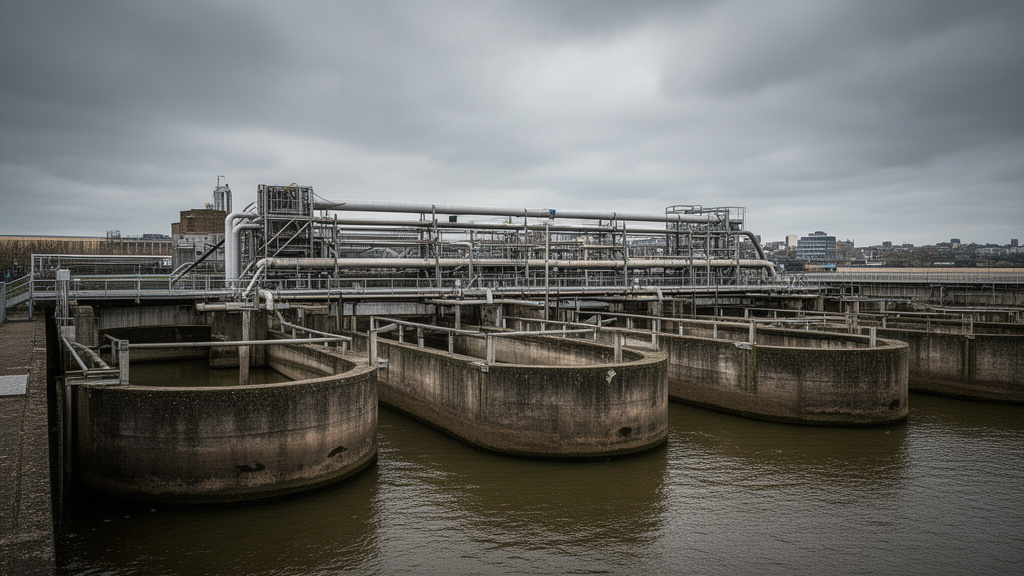
Beyond the boardroom, the crisis has tangible, negative implications for the 16 million residents served by the utility. Thames Water has come under immense fire for high-profile sewage discharge incidents and leak rates that significantly exceed industry targets. The company’s inability to invest in systemic upgrades has led to increased public and political scrutiny. Critics argue that the current financial crisis is a direct consequence of years of paying dividends to shareholders while deferring essential maintenance. As the utility scrambles to secure funding, operational performance may further decline, as cash flow prioritization leans heavily toward debt servicing rather than service improvements or environmental remediation. The public, already burdened by inflation and rising utility costs, remains deeply skeptical of any plan that would see their water bills increase to subsidize the company’s recovery.
The Road Ahead: A Structural Reckoning
The path to financial stability for Thames Water is narrow. It requires a delicate balancing act of convincing regulators to allow for bill increases, attracting new equity from a market that is increasingly wary of the water sector, and managing a massive, legacy-driven debt mountain. Whether the company succeeds in raising the £2.4 billion by the 2027 deadline will likely define the future of the UK’s privatized utility model. If Thames Water falls, it may prompt a fundamental reassessment of how critical national infrastructure is funded, regulated, and managed in Britain, potentially signaling the end of the current private utility ownership era.
FAQ: People Also Ask
What happens if Thames Water runs out of money?
If Thames Water exhausts its liquidity, the UK government will trigger a Special Administration Regime (SAR). This ensures that water and sewage services continue uninterrupted, but the company is placed into a form of temporary public administration while the government seeks new owners to take over the business.
Why does Thames Water need £2.4 billion?
The £2.4 billion is required to maintain the company’s liquidity and fulfill its regulatory obligations through 2027. It covers essential capital investments, debt servicing costs, and operational requirements that the company cannot currently sustain through its existing cash flows and credit facilities.
How does this affect customer water bills?
This remains a central point of contention in negotiations with Ofwat. Thames Water argues that substantial bill increases are necessary to fund infrastructure upgrades. However, regulators and political leaders are under immense pressure to protect consumers from the costs associated with the company’s past financial mismanagement and dividend policies.
Is this a result of poor management?
Many analysts and critics point to years of high leverage (debt-heavy financing), significant dividend payments to shareholders, and a failure to invest in aging infrastructure as the primary causes of the current liquidity crisis. The company is now facing the consequences of these long-term structural decisions.