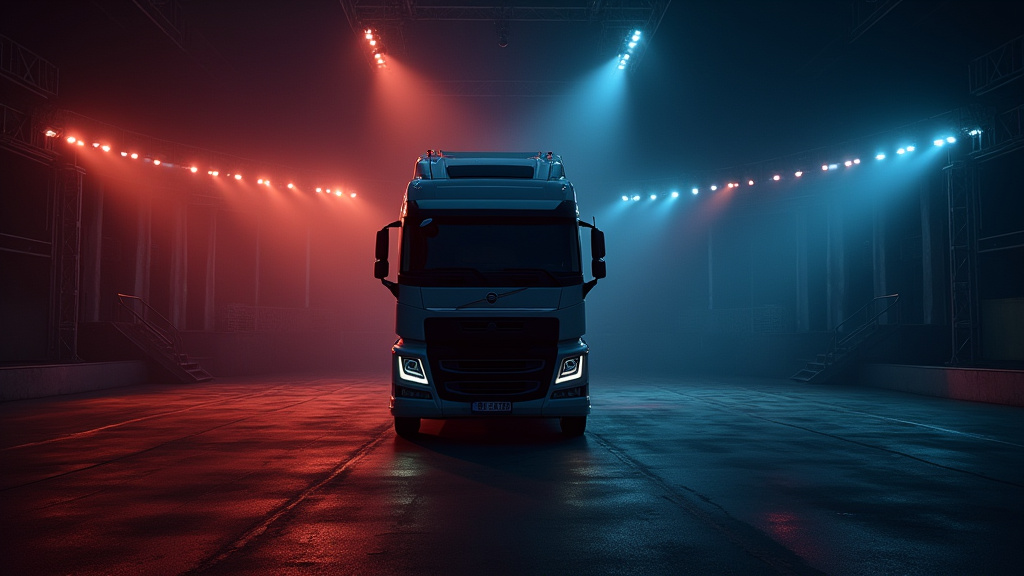
Volvo Construction Equipment (Volvo CE) has confirmed the closure of its Rokbak articulated hauler business, marking a significant strategic pivot for the construction giant. The decision, announced mid-March 2026, stems from years of financial underperformance and intensifying pressure from global market conditions, forcing the company to realign its resources toward more sustainable and innovative hauling solutions. While the brand will be phased out, Volvo CE emphasizes that it remains committed to providing aftermarket support to existing customers and dealers.
- Production of Rokbak articulated haulers is scheduled to cease in the second half of 2026.
- The business closure is expected to impact Volvo CE’s Q1 2026 operating income by approximately SEK 0.7 billion.
- The Motherwell, Scotland, facility will remain operational, shifting its focus exclusively to the development and manufacturing of rigid haulers.
- A collective consultation process with employees and stakeholders is currently underway and is expected to conclude by the third quarter of 2026.
The Strategic Rationale Behind the Closure
The decision to shutter the Rokbak brand, formerly known as Terex Trucks before its 2014 acquisition by Volvo, was not made lightly. According to internal reports, the business had become fundamentally unsustainable, recording SEK 1.0 billion in revenue for 2025 while failing to reach profitability. Volvo CE’s leadership cited a combination of rising operational costs, complex supply chain disruptions, and global trade headwinds—including specific international tariffs—as the primary catalysts for this decline. By absorbing these losses and refocusing, the firm aims to bolster its long-term financial health and concentrate its engineering talent on higher-growth sectors within the construction equipment market.
Impact on the Motherwell Facility
Despite the end of the Rokbak name, the iconic manufacturing hub in Motherwell, Scotland, will not see its doors close. The facility, which has a long and storied history in heavy machinery production dating back to the mid-20th century, is being reconfigured to serve as a specialized center for rigid hauling solutions. This shift is part of Volvo CE’s broader strategy to streamline its portfolio. Management believes that pivoting away from the articulated hauler market allows for a more focused approach, ensuring that development efforts are not spread too thin across competing, low-margin product lines.
A Commitment to Aftermarket Stability
The wind-down process is designed to be gradual to minimize disruption for global operators who rely on Rokbak machinery. Volvo CE has guaranteed that aftermarket services, parts supply, and technical training will continue for existing customers well beyond the production halt. A dedicated core team will remain in place to manage these obligations, ensuring that current fleet owners do not face premature obsolescence. The company is currently working with unions and regulatory bodies to manage the personnel transition, reflecting a commitment to a responsible exit strategy in a volatile industrial landscape.
FAQ: People Also Ask
Why is Volvo CE closing the Rokbak business?
Volvo CE is closing Rokbak due to unsustainable profitability, high operational and supply chain costs, and global trade challenges that have made continued production of articulated haulers financially unviable.
What will happen to the Motherwell, Scotland facility?
The Motherwell facility will remain open and continue to operate as a key hub for Volvo CE. It will shift its manufacturing and design focus exclusively toward rigid hauling solutions, moving away from articulated hauler production.
Will existing Rokbak customers still get support?
Yes, Volvo CE has committed to providing ongoing aftermarket support, including parts, sales, and technical training, throughout the phase-out period and into the future to ensure that existing machines remain operational.