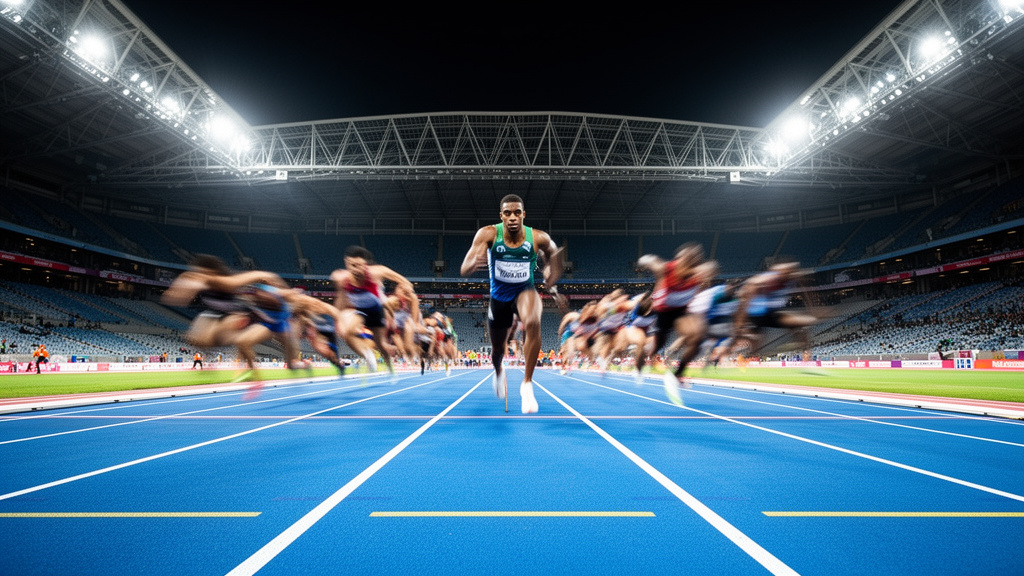
On Tuesday, July 28, 2026, the Glasgow 2026 Commonwealth Games reach a pivotal juncture. As the mid-week schedule unfolds, the spotlight intensifies on the track and field program, specifically the men’s and women’s 100m finals. For spectators and athletes alike, this day represents the distillation of years of intense training into a mere ten-second window of athletic perfection, marking the most anticipated event of the 2026 calendar.
The Glasgow 2026 Pivot: A Leaner Games
The Commonwealth Games returning to Glasgow is a historic pivot. Following the withdrawal of Victoria, Australia, as host, Glasgow stepped in to ensure the continuity of the Commonwealth Sport movement. The 2026 iteration is strategically designed as a “leaner” games, focusing on 10 core sports. This reduction in scale has, paradoxically, increased the intensity of the competition. By consolidating resources and prioritizing established venues, organizers have ensured that the athletics program at the stadium remains the absolute heartbeat of the event. The July 28 schedule is meticulously crafted to maximize broadcasting reach and stadium attendance, positioning the 100m showdowns as the apex of the daily program.
The Anatomy of the 100m Final
The 100m race is often described as the purest test of human speed. On the track surface in Glasgow, the physics of the race will be unforgiving. Athletes must contend with the specific track conditions, including humidity and potential crosswinds, which can make the difference between a podium finish and a disqualification. The transition from the acceleration phase—where power dominates—to the maximum velocity phase at 60 meters is where the race is usually won or lost. Sports scientists and coaches from the Commonwealth Sport Scotland training camps have noted that the 2026 track technology utilizes advanced energy-return surfaces, potentially favoring athletes with elite ground-contact efficiency. The expectation for July 28 is that the times will be blistering, potentially challenging existing Games records.
Economic and Infrastructure Impact
The Games are not merely a sporting event; they are an economic catalyst for Glasgow and the broader Scottish region. The utilization of existing, world-class infrastructure significantly reduces the capital expenditure requirements that usually plague international sporting events. By focusing on venues like Hampden Park for athletics, the organizing committee has opted for a sustainable model. Local businesses, particularly in the hospitality and transport sectors, are preparing for a massive influx of visitors on July 28, anticipating that the demand for hotel bookings and transit services will peak during the athletics finals. The Commonwealth Games Federation (CGF) has emphasized that this approach serves as a blueprint for future host cities, proving that large-scale events can be managed responsibly without the ballooning costs associated with new, purpose-built venues.
The Legacy of the Commonwealth Sport Movement
Beyond the medals and the record times, July 28 serves as a day of diplomatic significance. The Commonwealth Games are unique in their ability to foster dialogue between nations of the Commonwealth. The presence of global athletic delegations creates a dense network of cultural exchange, facilitated by the Games’ commitment to inclusivity. The Scottish Government’s partnership with the CGF highlights a commitment to “legacy first” development, ensuring that the spike in tourism and international attention translates into long-term community benefits, including grassroots sports funding and improved public facilities.
What to Watch for in the Afternoon Session
While the 100m finals are the marquee attraction, the July 28 schedule includes a dense array of qualification rounds in swimming and field events. Observers should pay close attention to the transition zones in the relay qualifying rounds and the technical precision of the long jump entries. The atmosphere at the venue is expected to be electric, with the CGF expecting a capacity crowd that will push the decibel levels to record highs, providing the “home field advantage” that Glasgow is famous for. As the evening sessions approach, the combination of high-stakes racing and international camaraderie will cement July 28 as the defining date of the 2026 Games.
FAQ: People Also Ask
Are tickets still available for the July 28 athletics finals?
Tickets for the high-demand 100m final sessions are selling rapidly. The Commonwealth Games Federation recommends checking the official Glasgow 2026 ticketing portal immediately. Given the prestige of the 100m event, these sessions are expected to be fully sold out well in advance of the start date.
What is the specific venue for the 100m events?
The 100m sprints and the primary athletics program will be hosted at the main stadium venue, utilizing the established facilities that meet World Athletics standards. Spectators are advised to review the transport maps released by the local organizing committee to navigate the high foot traffic anticipated for July 28.
How does the “leaner games” format affect the athletics schedule?
The 2026 format focuses on 10 sports, allowing for a more condensed and high-intensity schedule. While the total number of events is reduced compared to previous years, the quality of competition in core sports like athletics and swimming has been prioritized to ensure that the primary medal events, such as the 100m, retain their status as the premier attractions.