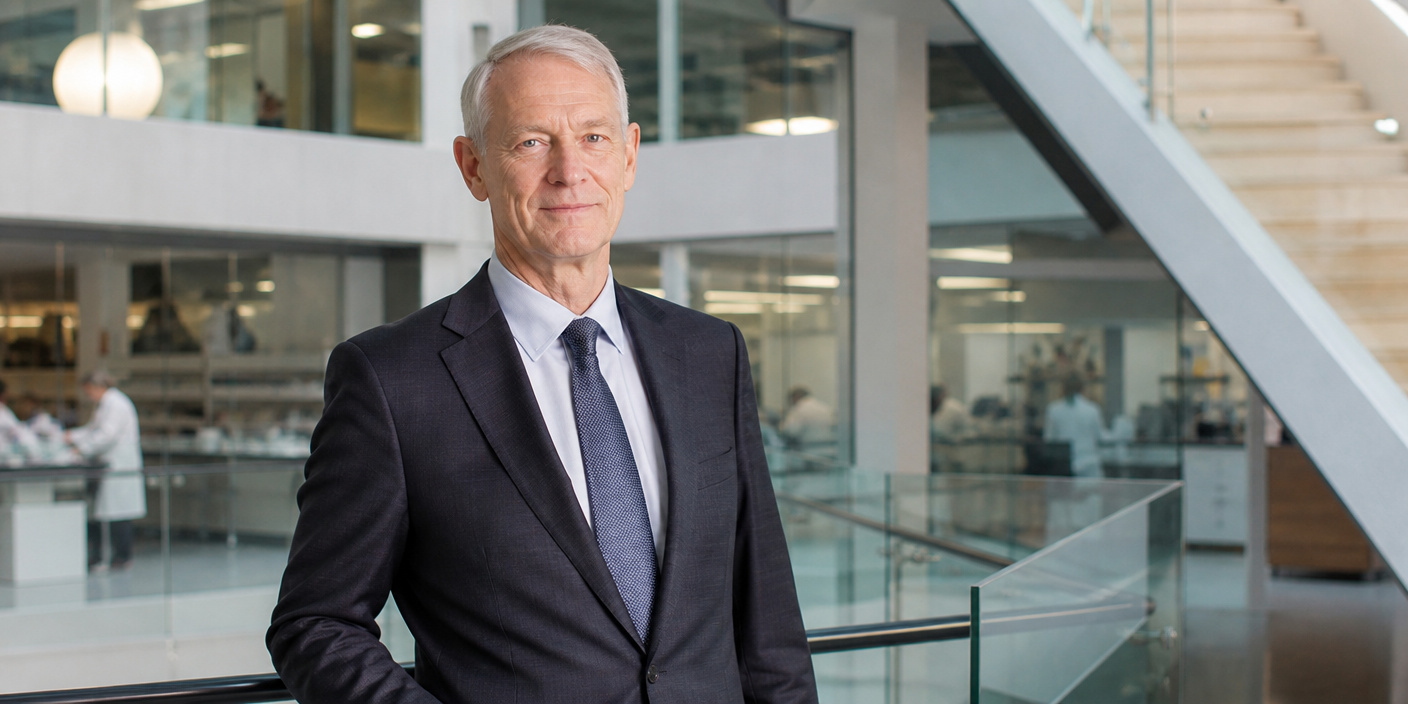
London’s Knowledge Quarter (KQ) stands as one of the most concentrated hubs of research, innovation, and technological development in the world. Stretching across the King’s Cross, Euston, and Bloomsbury areas, this dense cluster is the beating heart of the UK’s scientific ambition. However, Dr. Michael Spence, President and Provost of University College London (UCL), has issued a pointed warning: the UK’s economic future is at stake if we fail to support, nurture, and expand this vital ecosystem. The message is clear—bureaucratic inertia and a lack of foresight regarding physical infrastructure threaten to derail a powerhouse that is essential to the nation’s post-industrial economic strategy.
Key Highlights
- Strategic Engine: The London Knowledge Quarter acts as a critical node for R&D, hosting over 100 leading academic, cultural, and scientific institutions.
- The Infrastructure Bottleneck: A severe shortage of high-specification lab space and commercial development near top-tier universities acts as a handbrake on innovation.
- Global Competition: London is in direct competition with global ecosystems like Boston’s Kendall Square; failure to match their agility could result in a talent and capital flight.
- Economic Multiplier: The integration of academia (like UCL) and the private sector is proven to drive higher GDP growth through spin-offs, patent commercialization, and high-skilled job creation.
Safeguarding the Knowledge Economy
The modern economy is no longer driven solely by heavy industry or traditional finance; it is driven by knowledge. At the center of this transition in the United Kingdom lies the Knowledge Quarter, a symbiotic network where elite institutions like UCL, The Francis Crick Institute, and The Alan Turing Institute exist in a high-density environment alongside global tech giants and burgeoning startups. Dr. Michael Spence’s recent commentary emphasizes that this density is not accidental; it is the fundamental ingredient for the “collision” of ideas that creates massive economic value.
The Anatomy of the Cluster
To understand why Dr. Spence is raising the alarm, one must first look at the unique anatomy of the KQ. It is an area defined by proximity. Researchers at the Francis Crick Institute—one of the world’s leading biomedical research centers—can walk minutes to collaborate with computer scientists at The Alan Turing Institute or clinicians at UCL’s various teaching hospitals. This physical proximity reduces friction in communication, accelerates the testing of hypotheses, and increases the speed at which research is commercialized into real-world applications.
However, this density requires space. As Dr. Spence points out, the scarcity of commercial “wet lab” space in central London is becoming a critical failure point. High-growth biotech and deep-tech companies, having spun out of university research, are often forced to look elsewhere—sometimes to other UK regions, but frequently to international cities—because they cannot find suitable, affordable, or scalable office and lab facilities within the capital. When a company is forced to move its headquarters away from the research base that birthed it, the collaborative loop is broken, and the economic multiplier effect is diminished.
The Global Race: Lessons from Kendall Square
One of the secondary angles to this discussion is the global perspective. When we look at successful innovation hubs, the gold standard remains Kendall Square in Cambridge, Massachusetts. This area, anchored by MIT and Harvard, has become the global nexus for the life sciences industry. The lesson from Kendall Square is that success requires a conscious, long-term alignment between university expansion, municipal planning, and private sector investment.
London is competing in this global arena. Investors and innovators are mobile; they go where the environment is most conducive to growth. If London imposes rigid planning restrictions or fails to invest in the necessary transport and utility infrastructure, it is not merely inconveniencing companies—it is essentially ceding ground to international competitors. Dr. Spence’s commentary serves as a reminder that these economic clusters are not self-sustaining; they require a supportive regulatory environment that understands the specific needs of modern science and technology companies.
The Path Forward: Policy and Collaboration
To maintain its competitive edge, the UK must shift its approach to urban planning in central London. The argument is not to remove planning oversight, but to evolve it into a more strategic asset. This involves:
1. Prioritizing Lab Development: Fast-tracking the approval and conversion of existing commercial real estate into high-specification laboratory space.
2. Academic-Industry Integration: Creating planning “zones of innovation” that explicitly encourage the co-location of commercial entities with academic research partners.
3. Long-term Infrastructure Planning: Improving transport links and digital infrastructure specifically to connect these research nodes, ensuring that the “Knowledge Quarter” functions as a cohesive unit rather than a collection of isolated buildings.
Ultimately, Dr. Spence’s advocacy is about recognizing the Knowledge Quarter not just as a collection of prestigious addresses, but as a critical piece of national infrastructure, akin to motorways or power plants. By failing to invest in the space and conditions necessary for these organizations to thrive, the UK risks choking the very institutions that are expected to solve the major challenges of the 21st century—from climate change to global health pandemics.
FAQ: People Also Ask
Q: What exactly is the London Knowledge Quarter?
A: It is a consortium of over 100 organizations located in the King’s Cross, Euston, and Bloomsbury area, including academic powerhouses like UCL, research giants like the Francis Crick Institute, and cultural institutions like the British Library.
Q: Why is Dr. Michael Spence concerned about lab space?
A: Modern scientific research, particularly in biotech and life sciences, requires highly specialized ‘wet labs.’ A lack of this specific real estate in central London forces growing companies to leave the area, breaking the link between university research and commercial application.
Q: How does the Knowledge Quarter impact the broader economy?
A: It fosters an environment where innovation is commercialized rapidly. When research moves from the lab to a startup, it creates high-value jobs, attracts foreign investment, and contributes significantly to the UK’s GDP through technological advancement.
Q: Is this only an issue for London?
A: While the commentary focuses on London, the implications are national. Ensuring that high-growth companies can scale within the UK is essential for the government’s overall goal of becoming a ‘science superpower.’